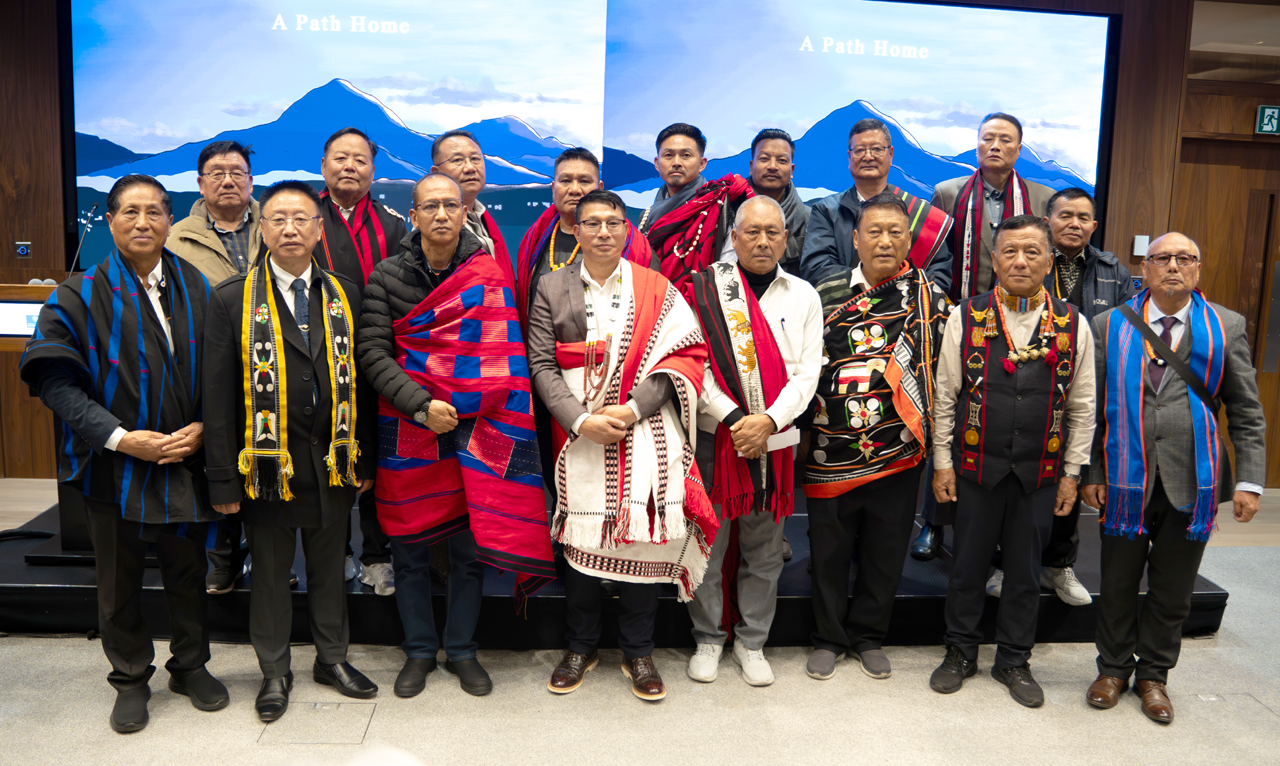
Historic handover facilitated by Forum for Naga Reconciliation marks culmination of a process that began in 2020
In a historic ceremony, the University of Oxford formally transferred the custodianship of 39 Naga ancestral human remains to the Naga people through the Forum for Naga Reconciliation (FNR) and the Naga Tribe Hoho, marking a significant milestone in the community’s efforts to reclaim its ancestral heritage.
The solemn handover ceremony was hosted by the Pitt Rivers Museum, University of Oxford, on November 9, 2026, formally returning the remains, which had been in the museum’s custody for more than a century, to the care of Naga communities.
Since the establishment of the Pitt Rivers Museum in 1884, collectors have donated Naga artefacts, including ancestral human remains, to the institution. The repatriation ceremony marked the culmination of a process initiated in 2020, with the Forum for Naga Reconciliation serving as facilitator.
The landmark Transfer of Title Form was jointly signed by Professor Laura Van Broekhoven on behalf of the Pitt Rivers Museum and Rev Dr Wati Aier on behalf of the FNR. The document was attested by two witnesses—Professor Visier Sanyü, representing the FNR, and Thejao Vihienuo, representing the Naga Tribe Hoho.
Following the formal handover, the ancestral remains were moved out of the University of Oxford to begin their journey home.
The ceremony opened with a traditional chant, Langhon Langpheng Ngao, performed by Nyamto Wangsha. The chant conveyed the sentiment that the return of the soul brings healing to the village.
Vice-Chancellor of the University of Oxford, Professor Irene Tracey, described the occasion as a “historic” moment in the relationship between the university and the Naga people. She highlighted the repatriation process as a distinct community-led initiative rooted in reconciliation, healing and peace.
Professor Visier Sanyü, representing the FNR, shared a personal testimony recounting the burning of his village by British colonial forces. Reflecting on the power of forgiveness, he spoke about how it had helped forge and nurture new friendships with those responsible for past harm.
Download Nagaland Tribune app on Google Play


He recalled the words of late Naga peace activist Niketu Iralu, who had observed that “hate not transformed is transferred”, and applied this principle to his work in peacebuilding and reconciliation.
President of the Angami Public Organisation, Thejao Vihienuo, speaking on behalf of the Naga Tribe Hoho, emphasised that repatriation was a Naga right to care for their ancestors and an acknowledgement of shared humanity.
He maintained that all Naga ancestral remains held in museums must be returned to their homeland with dignity.
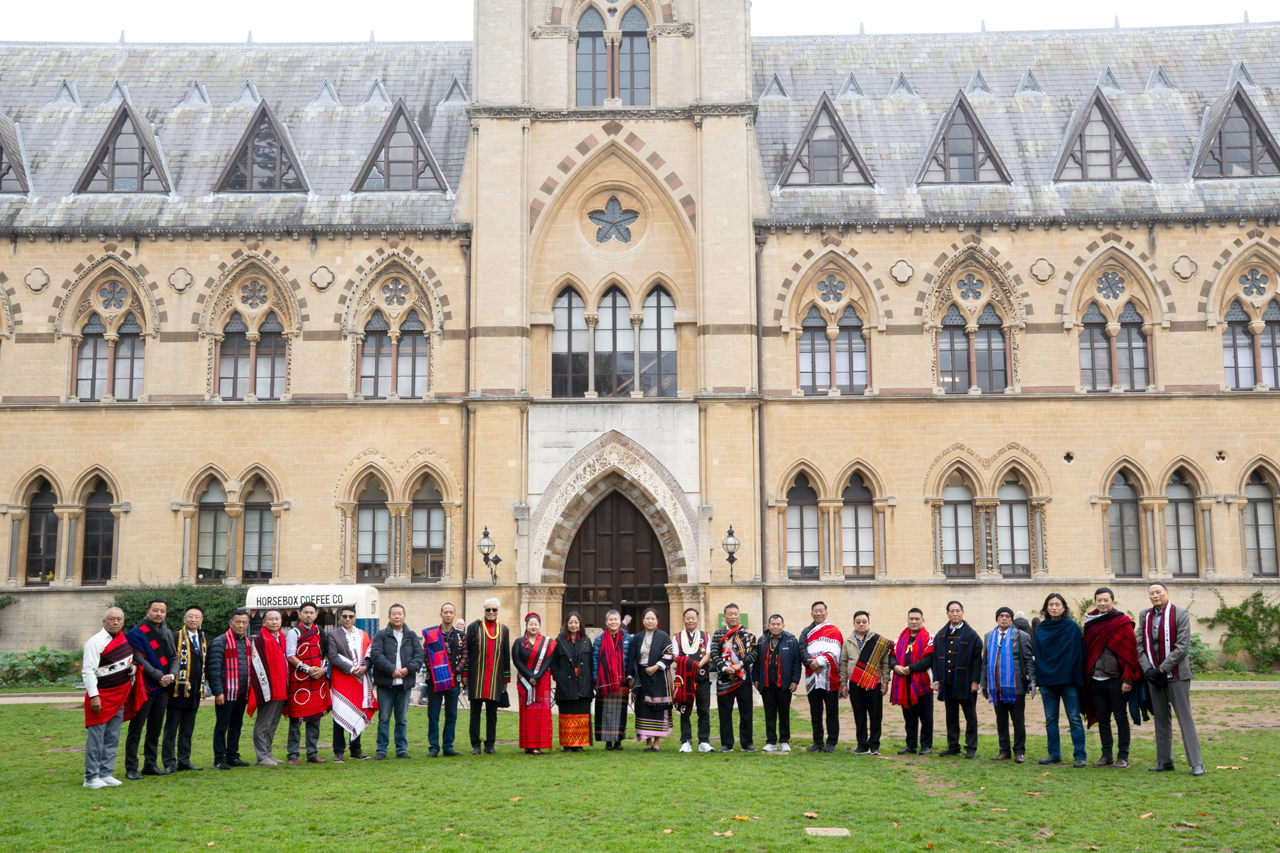
Coordinator of the Recover, Restore and Decolonise (RRaD) team, Rev Dr Ellen Konyak said the repatriation was not an end but a new beginning for the Naga people to reclaim and create their own narrative.
The ceremony also featured a musical presentation, Nyokei Shemei Leishah, by NT Thamlong Phom and Dr Moishen Metjei Phom, evoking the emotions associated with bringing Naga ancestors back to their homeland.
The gathering recognised the repatriation as the beginning of a broader journey to confront difficult colonial histories, restore ancestral connections and embrace renewal through a shared vision of humanity.