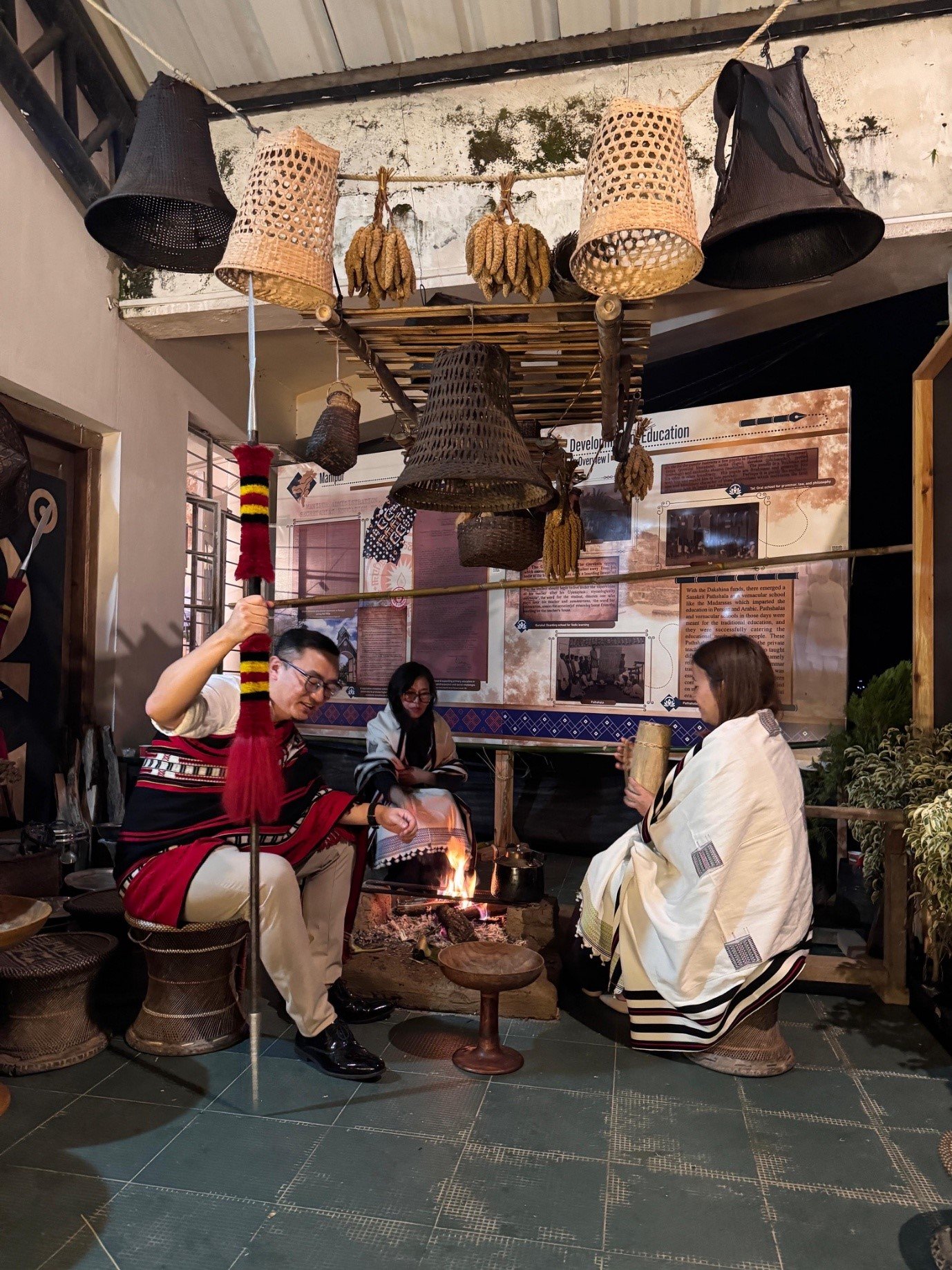
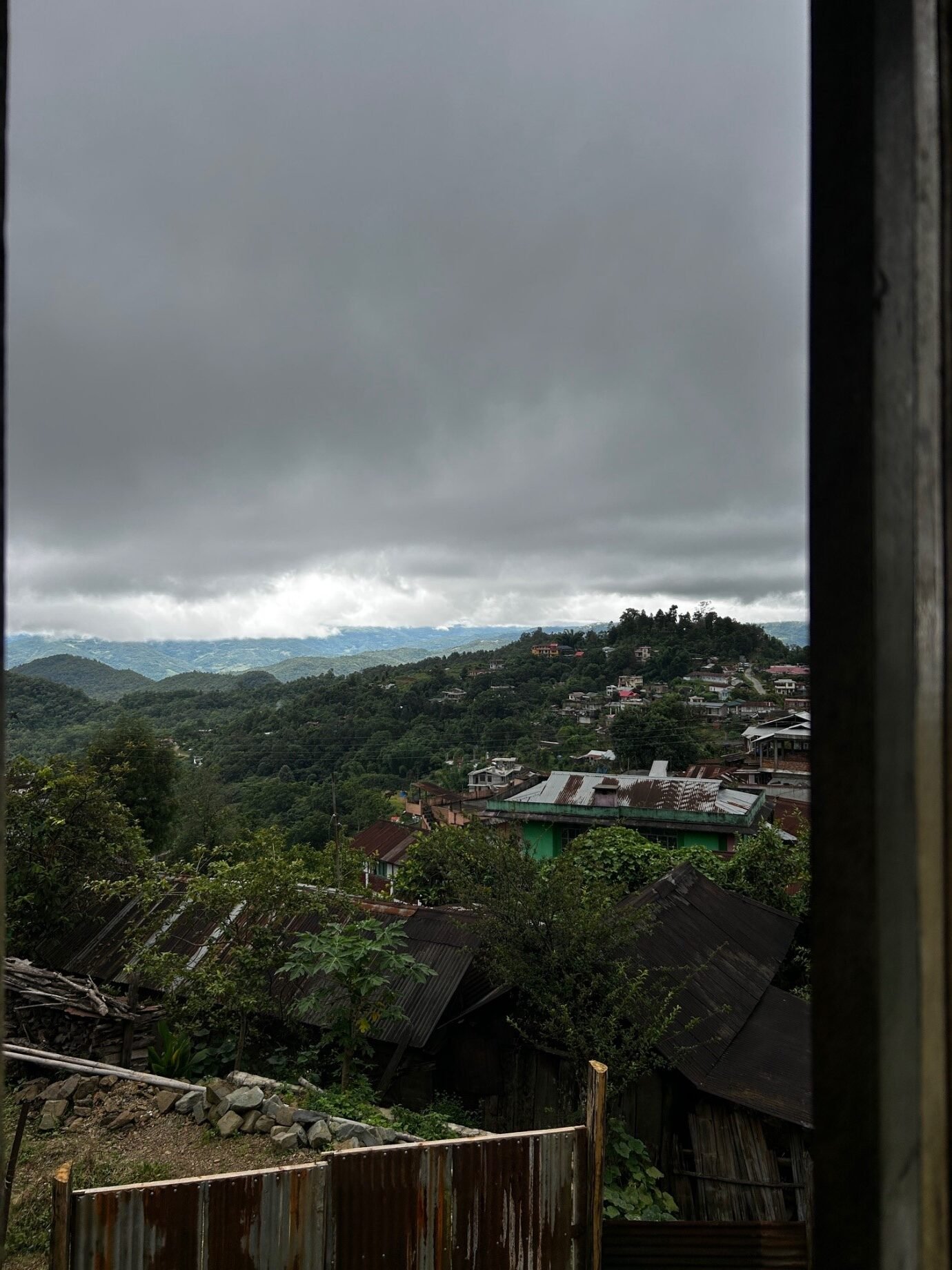
In a quaint little village of Nagaland called Chedema, located approximately 3 kilometres away from capital Kohima brews a vision of pronouncing this particular village the “kitchen of Nagaland” where preserving of age-old Naga tradition is being weaved while supporting youngsters, women and widows of Chedema.
The “Experience the Naga Kitchen” project empowers young, widows, and unemployed women by creating income opportunities through the promotion of Naga cuisine and heritage. It offers tourists an authentic cultural experience while preserving traditional recipes and sustaining the rich Naga identity
The project is an initiative born two years ago and officially launched on August 16 this year. This initiative was conceptualized by Dr. Keneilhoulie Medom who is an Anaesthesiologist and the Managing Director of KOHIMAS Hospital, Kohima.
Speaking to Nagaland Tribune sitting in one of the oldest Morungs in Chedema- considered to be almost 100 years old, Dr. Medom expressed his love for Nagas’ unique and rustic way of living and the urge to preserve the traditional values it holds.
Talking about Experience the Naga Kitchen, he highlighted that it was conceptualized for tourists who visit Nagaland to experience its rich diversity. He said the idea behind it is not solely to let the people from outside Nagaland experience the beautiful landscape of Nagaland, but to let them have a first-hand experience of the Naga culture.
Download Nagaland Tribune app on Google Play

Medom mentioned that with tourists coming to Nagaland all-round the year, the main motive of Experience the Naga Kitchen was to bring interested tourists to Chedema and let them experience a proper Naga kitchen, cuisine and lifestyle.
This experience he said, will let the tourists get in-depth learning of what Nagas cook from scratch. “The main objective is to let them experience what our Naga mothers and sisters cook in the kitchen hearth with herbs and spices which are widely available in any Naga kitchen garden,” Medom elaborates.
He added that the idea of letting tourists taste not only the final product but showing them step by step process of how to make a simple Naga snack such as a sticky rice cookie is an overwhelming moment for those who witness and experience it.
Medom also highlighted that while getting to experience how to make Naga cuisines, tourists will also get to strike conversations with the villagers of Chedema about their traditional attires, culinary skills, and folklore.
“It is only during Hornbill festival that the tourists get to experience Naga culture. My concept is to let them experience it all year round in our village,” he said.
Medom, who has travelled widely, mentioned that he had taken a rural tourism course in Mongolia. He said he went to Mongolia with the anticipation about learning their Mongolian traditions, but was amazed by how similar their culture was with the Nagas’. While studying rural tourism there, he said the idea of bridging Naga culture to the rest of the world had come to him.
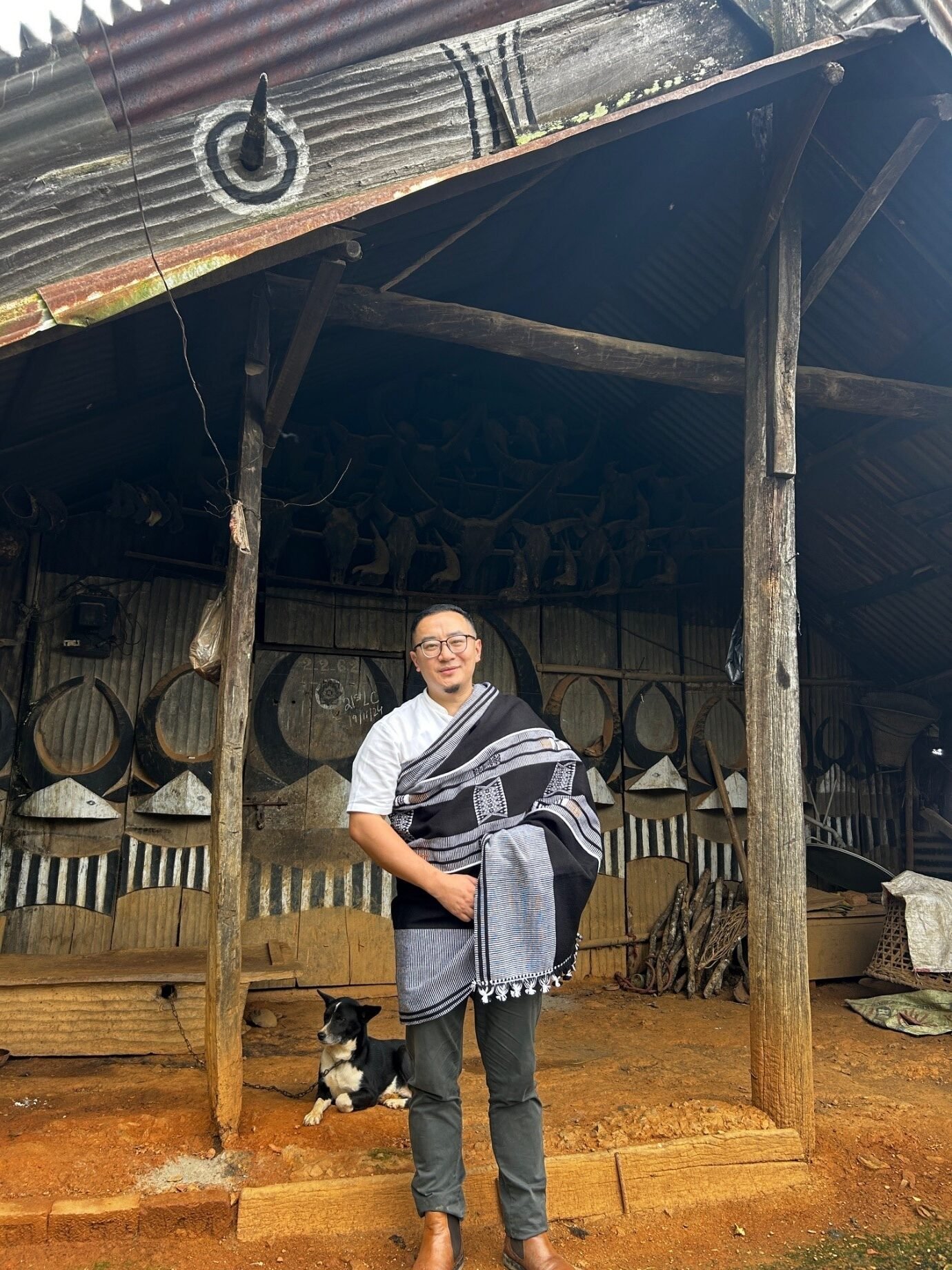
Being a native of Chedema village, Medom says his love and passion for his sanctuary made him bring the project back to his own village.
He also spoke about his desire to uplift the unemployed youth, widows, mothers and young women of his village through his project.
He also went to explain that with the advancement of time, many Nagas are forgetting about their roots. He mentioned that there are no proper Naga kitchens around Kohima where a tourist can come by anytime and experience the Naga culture. Medom believes that instead of traveling for 5-6 hours to different places, tourists can easily experience it in Chedema.
Any group of more than four tourists can go to Chedema and experience the authentic Naga culture in the village’s home. Maedom says the reason to taking in tourists in a group of more than four persons is because of the preparation that involves in their itinerary.
The regular itinerary of the Experience the Naga Kitchen includes – welcome with Naga traditional drinks like Zutho/Thuthse (local rice brew), letting the guests sit in traditional morah, letting them experience the joy of pounding their own rice to make biscuits and also make rice brew, process of making the axone/dacie (fermented soya bean), demonstration of how to smoke meat, how backstrap weaving is done and also bamboo craft work that Nagas are good at.
Medom is of the view that when most of the developing countries are consumed by technology, tourists do not come to Nagaland to see development. “They come to see our rural life, domestic life and culture, and we need to highly promote these,” he stated.
The project currently has four Morungs run by around 40 youth from Chedema who are trained in hospitality.
While the project is a private venture, Medom hopes that the government will build a Morung kitchen in Chedema to host more tourists. He said there was no investment during the project’s initial stage, and they used the local kitchen while accommodating guests in the houses of villagers.
“I want to pronounce Chedema as the kitchen of Nagaland. I want this project to remain here. I wish any tourist’s experience of the Naga kitchen should be called the Chedema experience,” he says.