The Ahuna Festival 2025 celebration at Pughoboto Town began on November 13 under the theme “Bound by History, Bridging Generations.” Organized by Sümi Hoho and hosted by Sümi Aphuyemi Frontal Organizations, the event is being held with support from the Department of Tourism, Government of Nagaland.
The event started with a blessing and thanksgiving zervice at Pughoboto Town Baptist Church, informed a press release by the Media cell, Sumi Hoho
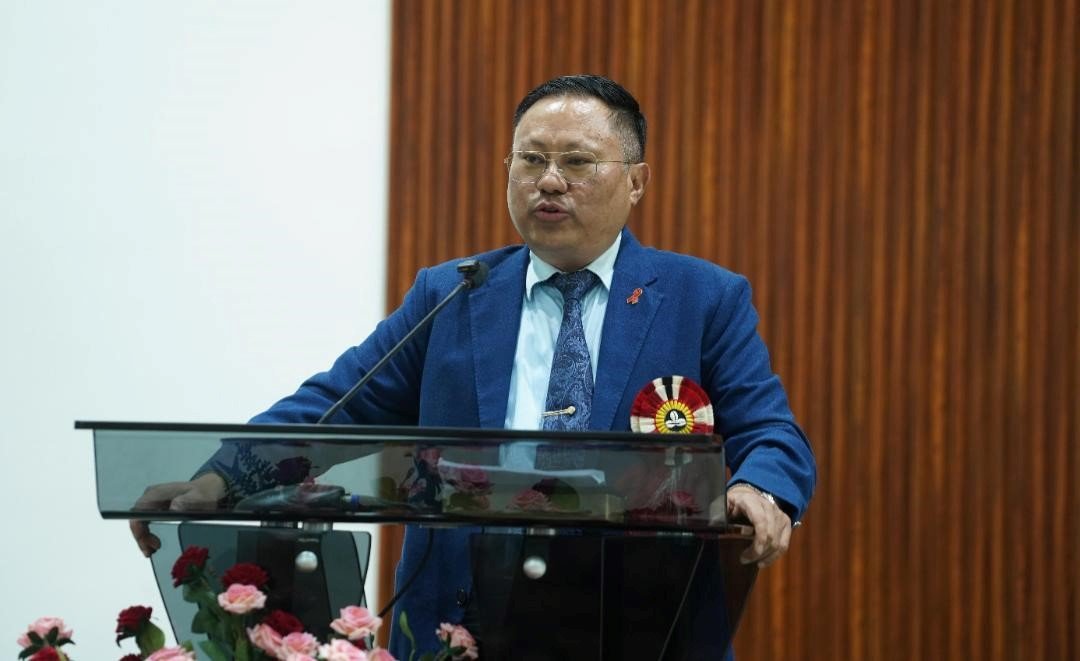
Gracing the occasion as the special guest, Y Kikheto Sema, IAS, Principal Secretary, Government of Nagaland, reminded the gathering that the Ahuna Festival, the most significant celebration of the Sümi Nagas is a culmination of hard work, perseverance, and agricultural labor. He underscored that such festivals are not merely occasions of feasting and joy but also a celebration of human effort and the dignity of work, urging the community to preserve these values as central to Sümi identity.
Addressing the younger generation, Kikheto exhorted students never to replace hard work with shortcuts, noting that genuine success can only be achieved through discipline, perseverance, and integrity. Drawing a parallel to faith, he cited the life of Jesus Christ as the perfect example of endurance and humility, a life marked by steadfast commitment even in the face of rejection and trials.
Linking the festival’s spirit of unity to present realities, Kikheto expressed concern over the growing divisiveness within society, especially the tendency to criticize and discredit leaders on social media. He appealed to the community to embrace reconciliation and harmony, saying, “Let us make peace, not pieces.”
Highlighting the strategic and geographical position of the Sümi region, he observed that the Sumis, being centrally located in Nagaland and sharing boundaries with almost all major Naga tribes, are in a unique position to build bridges of friendship and understanding. He described this as both a privilege and a responsibility to promote unity among all Nagas.
Commending the leadership of Dr. Vihuto Asumi, President of the Sümi Hoho, Kikheto lauded the organization for its proactive initiatives aimed at the welfare of the Sümi tribe and the Naga people at large. He also appreciated the local organizing committee for their meticulous planning and the successful conduct of the festival, which he said reflected the spirit of cooperation and community pride.
Reflecting on his 38 years of public service, Kikheto reaffirmed his lifelong commitment to promoting peaceful coexistence among Naga tribes. He encouraged the community to continue preserving traditional agricultural practices and to uphold the dignity of labor, citing Satami village (Aghunato sub-division) and Sapotimi village (Suruhuto sub-division) as exemplary models of communities that still value hard work and self-reliance.
Transitioning to contemporary socio-political issues, Kikheto raised concern over the escalating cost of elections in Nagaland, describing it as one of the most expensive electoral systems in the country. He pointed out that an average of ₹20 crore is reportedly spent in each Assembly constituency within Sümi-dominated areas, amounting to nearly ₹440 crore across constituencies under the Sema tribe. He termed this trend “alarming and unsustainable,” warning that such practices threaten to distort democratic values and burden society.
He further observed that Nagaland comprises 378 villages, 30 area students’ unions, and 12 ranges, besides numerous Sümi organizations outside the state. Sustaining these institutions and organizing community events often require substantial financial resources — with annual estimates of around ₹5 lakh per event, translating to roughly ₹24 crore each year.
Calling for financial prudence, transparency, and accountability, Kikheto urged community leaders and organizations to ensure that public funds and shared resources are utilized wisely, responsibly, and always in the spirit of collective welfare.
Download Nagaland Tribune app on Google Play

Concluding his address, Kikheto reiterated his appeal for unity, humility, and faith, saying that true progress begins when people work together guided by integrity, hard work, and peace.
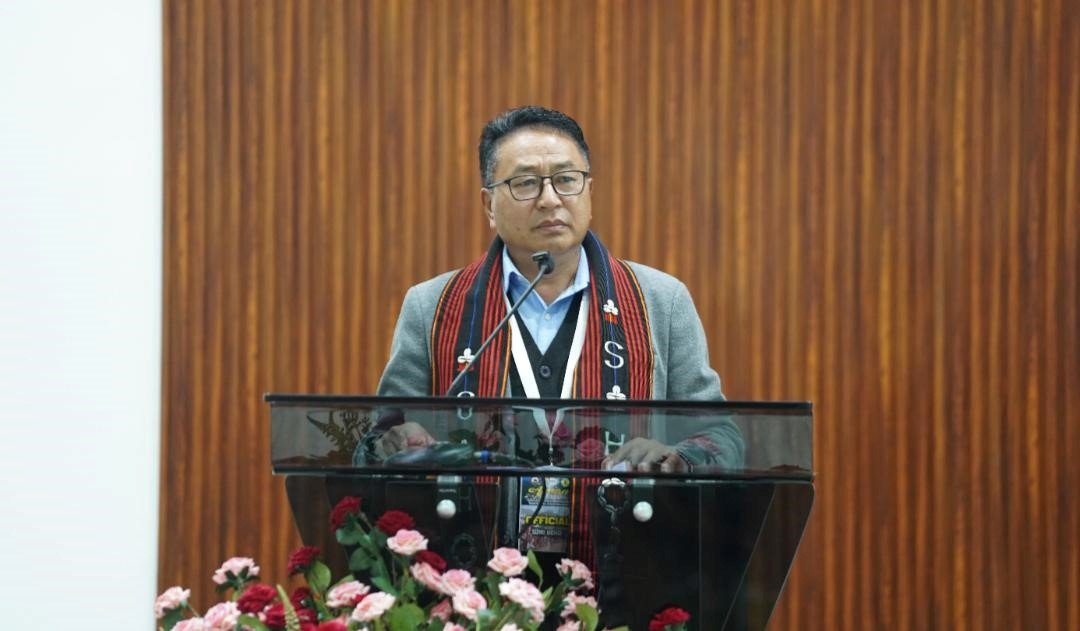
While delivering the keynote address, Hotoshe Sema, General Secretary Sumi Hoho, highlighted that the reason for celebrating the Ahuna Festival in Pughoboto this year was to bring a change, as the festival had always been held in Zunheboto town in the past. He explained that this decision also aims to strengthen relationships with neighbouring tribes. He further announced that, henceforth, the Ahuna Festival will be celebrated in all the subdivisions of Zunheboto District, one after another.
Gihuka Zhimomi President Sumi Kiphimi Kuqhakulu addressed the congregation with profound honour on the auspicious occasion of Ahuna. In his speech, he highlighted the rich cultural heritage that unites the Sumi community and reminded everyone of the collective responsibility to uphold it.
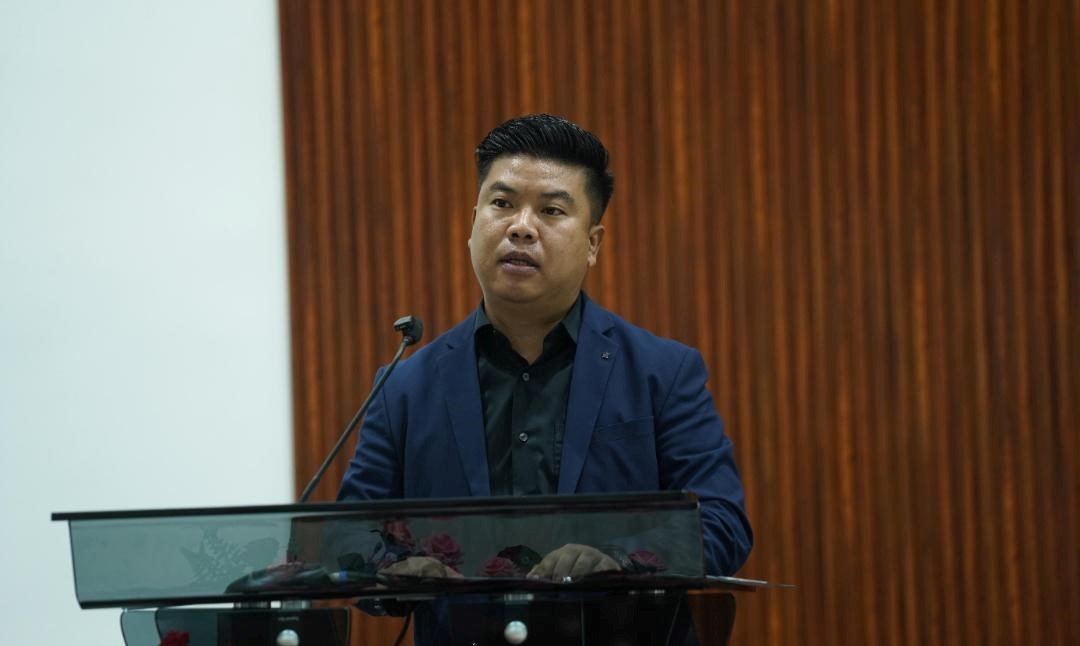
He expressed concern over the growing complacency and idle mindset that have begun to weaken the fabric of society, noting that these are not mere generational issues but signs of a deeper social decline. The loss of purpose and organizational discipline, he said, has led to discord within the community. Mr. Gihuka emphasized that every organization and individual must recognize their boundaries and carry out their duties with humility. The attitude of self-importance and the tendency to undermine others, he warned, destroy the trust that binds the community together, risking a legacy of division for future generations.
He urged everyone to re-evaluate their attitudes, cultivate mutual respect, and embrace self-discipline. By doing so, he said, the dignity of the Sumi people would be preserved and future generations inspired. Concluding his address, Gihuka wished that the celebration of Ahuna bring renewed vigour, unity, and wisdom to all.
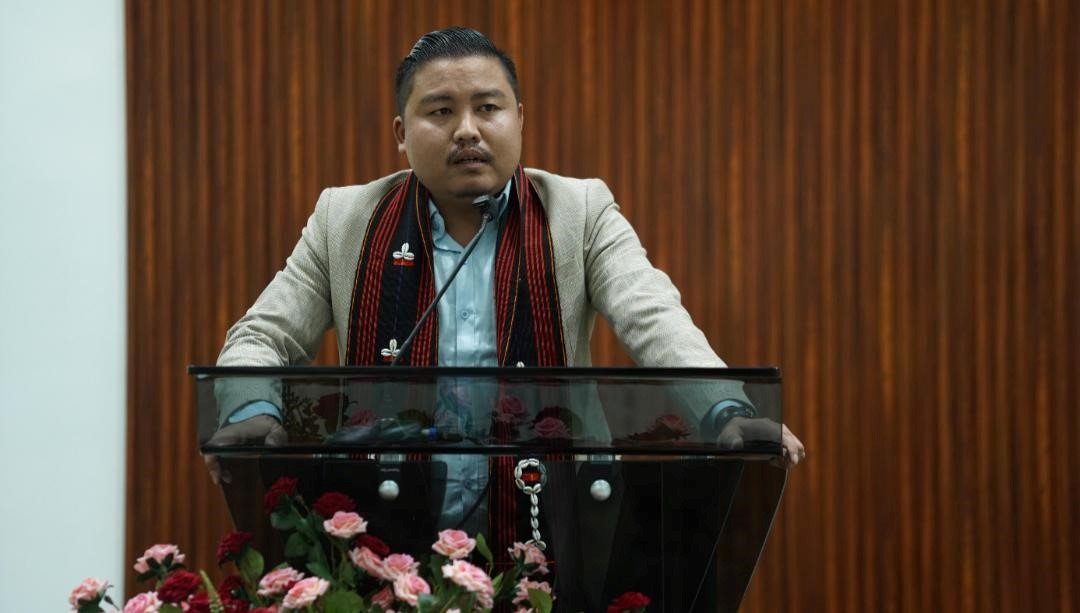
Hikavi Kinimi, President Sumi Youth Organisation, in his address, called upon the Sumi community to stand united and strive toward excellence. He emphasized that festivals like Ahuna should serve as a channel of forgiveness, reflecting the will of God. He further wished that the blessings of the festival be upon every Sumi youth.
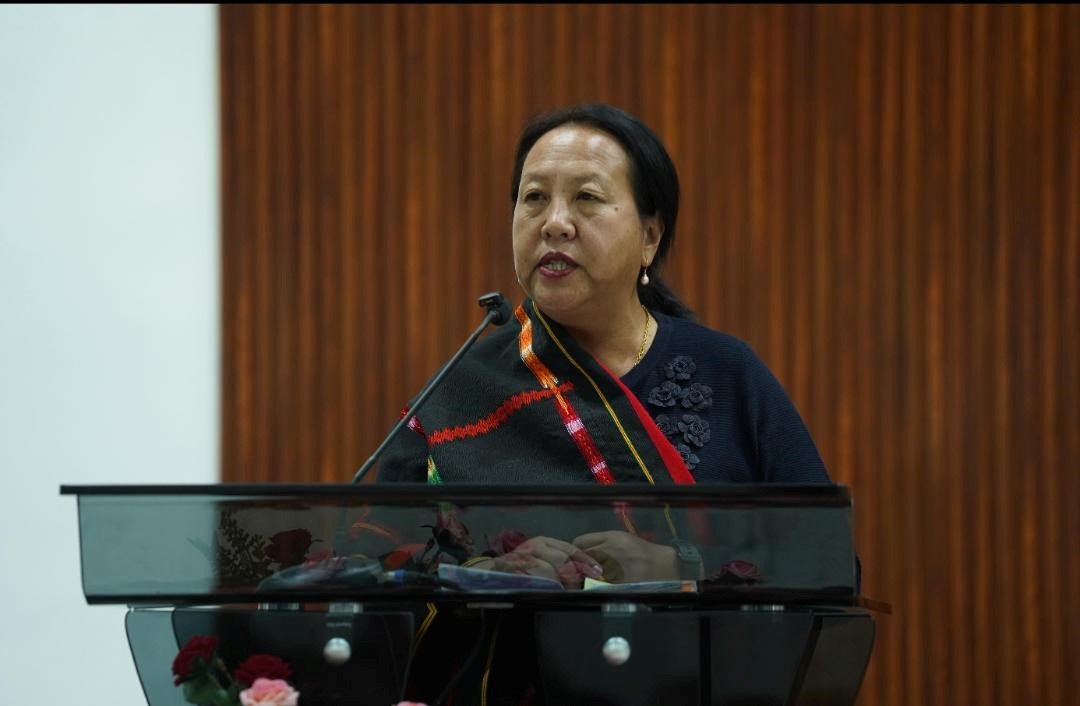
Vitoli Sumi, President Sumi Totimi Hoho, in her speech, mentioned that, to her knowledge, the Ahuna Festival had always been celebrated in Zunheboto, and this was the first time it was being celebrated in Pughoboto. She stated that hosting the festival in Pughoboto was a testament to the unity of the Sumi people across all regions. She also reminded the gathering that the Ahuna Festival is an important symbol of Sumi cultural identity.
The service was chaired by Otova Swu, Vice President Sümi Hoho, a special tribute was presented by Vipito V. Swu and Nguvili Assumi, special song sang by Lovi Aye and a closing prayer led by Alito V. Swu, Women Secretary, SABAK.