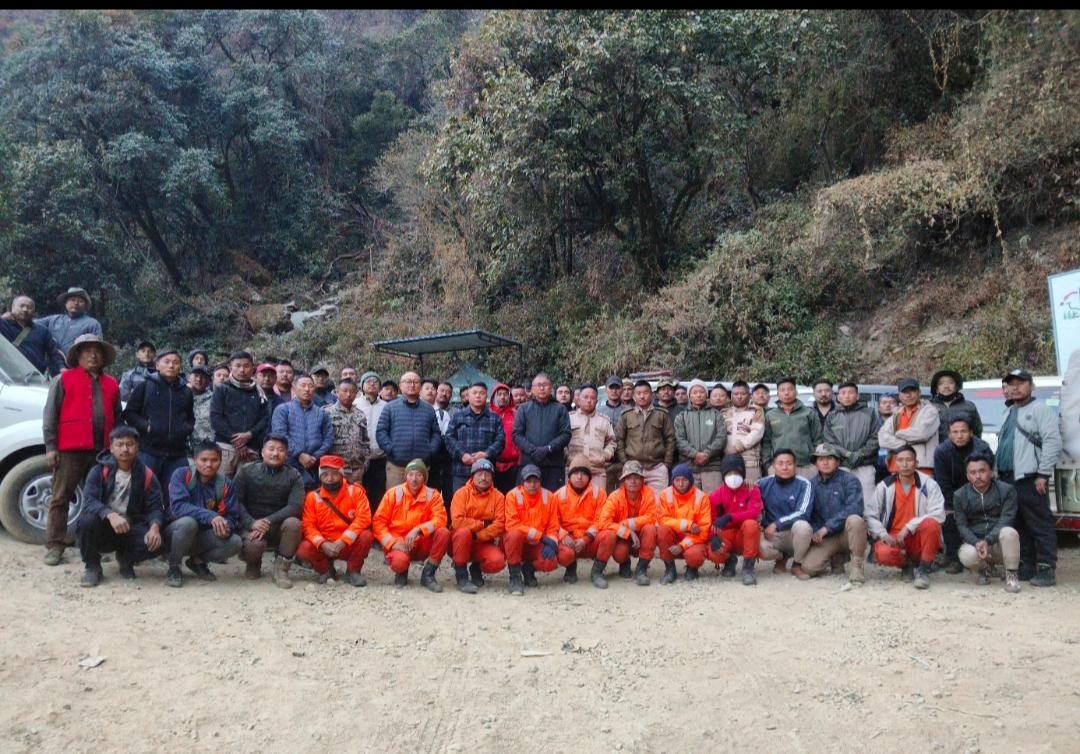
The wildfire in the southern part of Dzükou Valley entered its seventh day on Sunday, with authorities confirming that while significant progress has been made in containing the blaze, firefighting operations are still underway in pockets around Mount Tempü.
Addressing the media, Kohima Deputy Commissioner B. Henok Buchem said that around 150 personnel have been deployed on the ground, working manually to contain the fire. The team comprises officials and personnel from the Forest Department, Fire and Emergency Services, Police, SDRF, Disaster Management Authority, Home Guards, drone operators, DBs, the 13th Assam Rifles, and volunteers from the Southern Angami Youth Organisation (SAYO).
DC mentioned that the fire, which reportedly started on January 26, has been battled from day one by a coordinated team led by SDO (Civil) Jakhama, along with officials from disaster management, Kohima SDPO, SAYO leaders, and local volunteers. Even on February 1, a large force continued ground operations, supported by aerial surveillance and assistance.
As of February 1, the fire has been almost contained in the helipad area, he said. However, active fire and smoke remain visible in and around Mount Tempü, particularly on the southern side. To address this, Indian Air Force (IAF) helicopters will continue Bambi bucket operations on February 2, following three sorties conducted on February 1. Two IAF helicopters have been deployed for the operation.
DC Buchem stated that while a scientific assessment of damage is yet to be conducted, preliminary understanding suggests that around one-third of the affected area in and around the southern side may have been damaged. He expressed relief that the main Dzükou Valley remains untouched and said authorities are confident that it is currently free from further fire hazards.
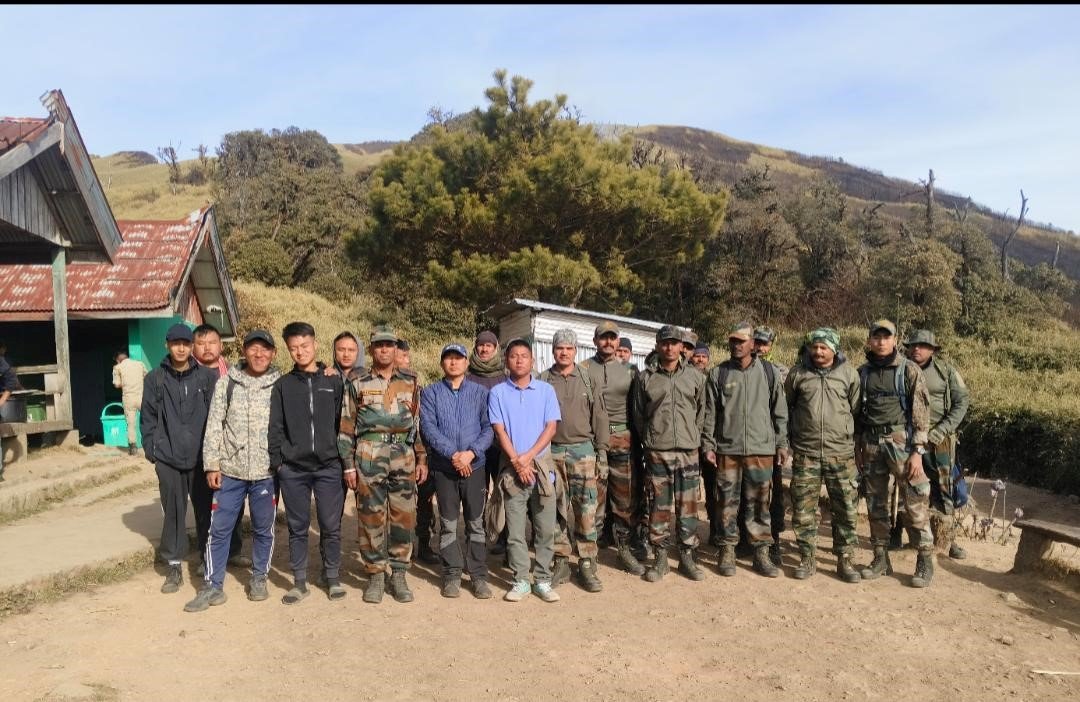
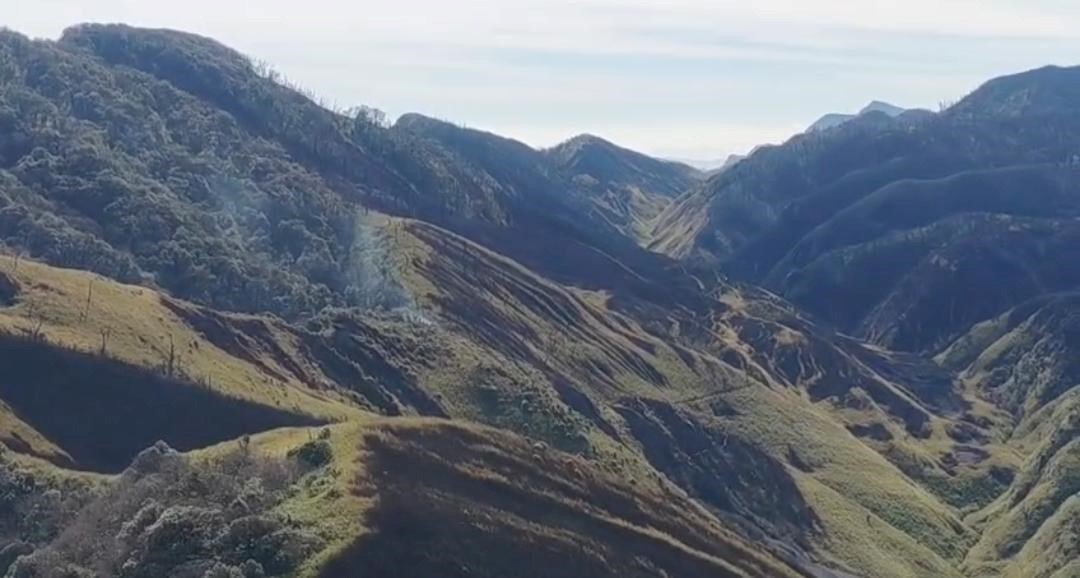
Providing an update on the situation, SAYO President Zasitsolie Beio said that smoke is still visible on the southern side, while no smoke is visible in the main valley. On the eastern side, smoke has been noticed in a few isolated pockets, but officials believe the fire there is unlikely to spread further. He added that if dew falls, the remaining fire may subside naturally.
Beio said that the cause of the fire is suspected to be human negligence, possibly from burning dustbin or a discarded cigarette, though investigations are still ongoing.
Download Nagaland Tribune app on Google Play

Authorities and SAYO have once again urged tourists and trekkers to act responsibly. Despite existing guidelines, officials noted that negligence by visitors continues to pose serious risks. The government, in consultation with SAYO, is contemplating issuing a formal notification outlining strict guidelines for visitors to help protect Dzükou Valley.
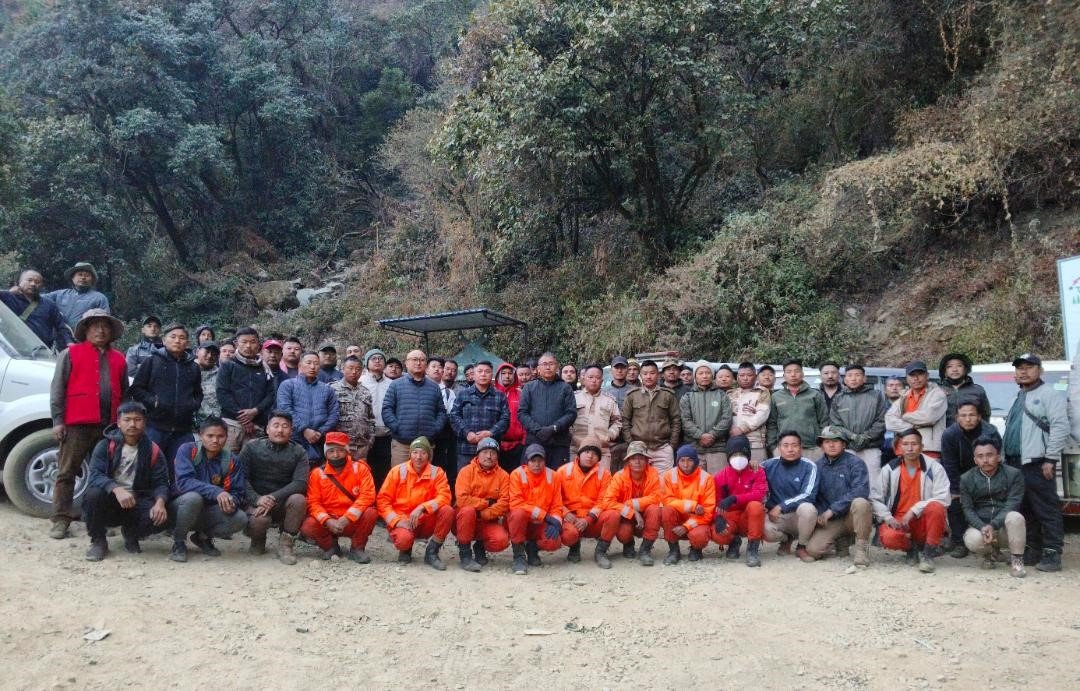
SAYO has also intensified awareness campaigns across all 13 jurisdictions under its purview and has enforced stringent penalties for those found responsible for causing wildfires. The minimum fine imposed is ₹5,000, which may increase depending on the severity of the offence.
Beio stressed that the firefighting efforts have been severely challenged by the terrain and vegetation. He highlighted the presence of dense dwarf bamboo, some growing up to 30 feet high, along with steep landscapes that make human intervention extremely difficult. Despite these challenges, SDRF personnel, specially trained for such operations, have been actively engaged in dousing the fire for the past six days and continue to assist on the ground.
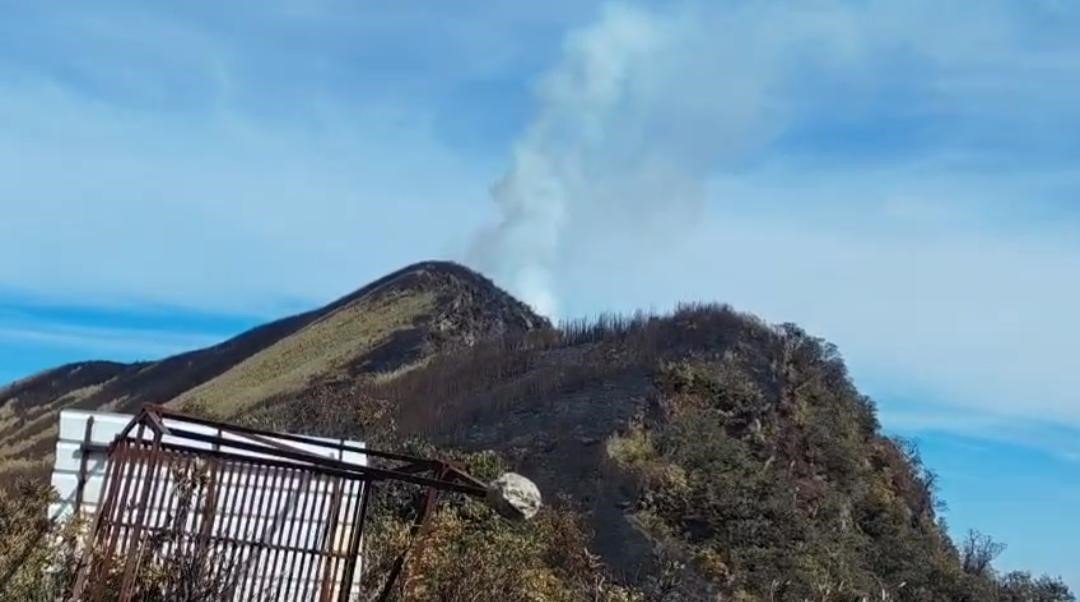
“Encouragingly, no injuries have been reported so far due to the wildfire,” added Beio. He also clarified that the damage is largely limited to dwarf bamboo areas and that no major forest damage has been reported. There is optimism that the affected vegetation may regenerate within the year.
Concerns were also raised about trekkers entering the valley without registration or local guides. SAYO President reiterated its appeal for all visitors to register, take local guides, and follow established rules, citing recent reports of a missing person as an example of the risks involved.