From rich heritage to unresolved migration histories, Nagaland faces the challenge of shaping a cohesive identity
In an era where museums are no longer silent storehouses but dynamic centres of storytelling, learning, and identity, the visit of Nagaland’s media delegation to the Bihar Museum has brought into distinct focus what a modern museum can and should be. The experience has raised a critical reflection: if Bihar can build a globally appreciated cultural institution rooted in its past, what prevents Nagaland from envisioning the same?
While Bihar curates a cohesive civilisational narrative, Nagaland continues to grapple with fragmented histories, particularly on questions of migration and identity. Despite its vast and untapped cultural wealth, the story of Naga origins remains complex, layered, and insufficiently documented. Beyond artefacts, the real challenge lies in narrating identity where migration histories are contested, evolving, and still under-researched.
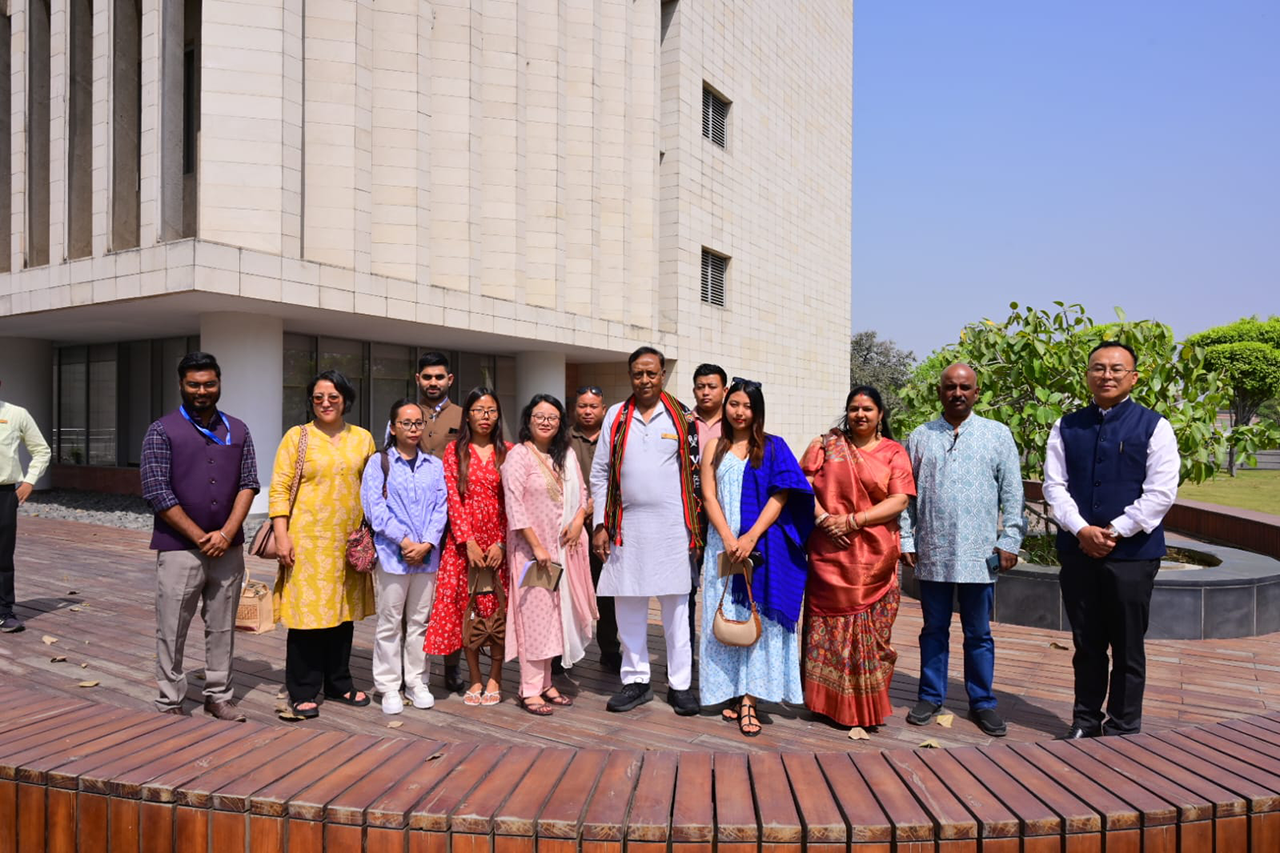
Under the aegis of the Press Information Bureau (PIB), Kohima, Ministry of Information & Broadcasting, Government of India, a seven-day media tour to South Bihar commenced on March 16, 2026, with journalists from Nagaland. The delegation includes Pusebozo Sophie (PIB), Raushan Kumar (PIB), Yizwagongbe Kauring (DIPR, Peren), Ketouvilie Kire (Capi), Nzano Humtsoe (Nagaland Post), Meribeni Kikon (Morung Express), Temjennaro Longchar (Nagaland Tribune), Mary Meyase (Akashvani Kohima), and Shekali Holo (Doordarshan).
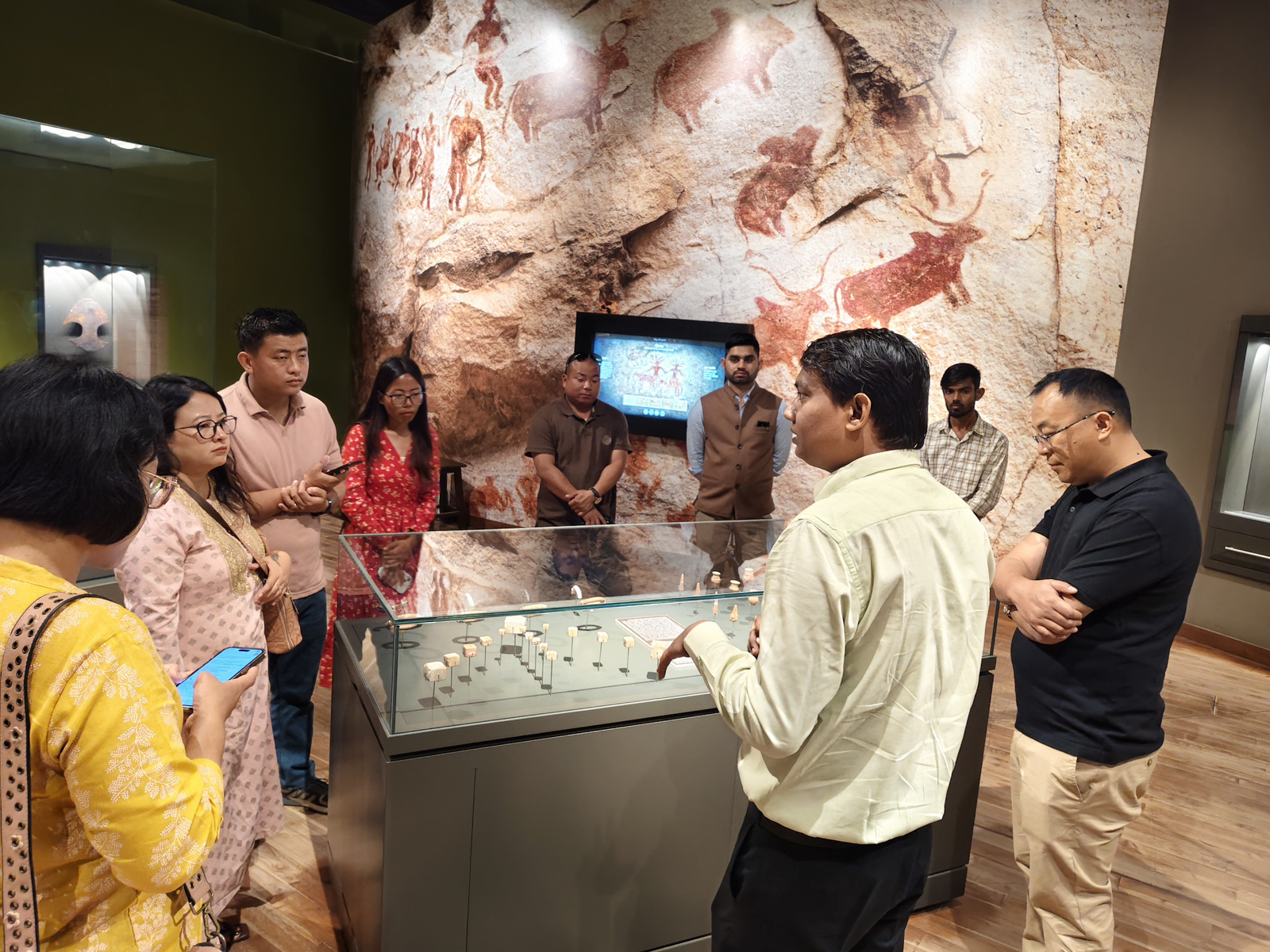
On Day 1, the delegation began their itinerary with a visit to the historic Bihar Museum in Patna. Guided by Chetan, the team explored the museum’s vast collection of artefacts, gaining deep insights into Bihar’s historical and cultural heritage.
Spread across 5.6 hectares, the museum is a world-class “experiential” institution designed to narrate Bihar’s journey from prehistoric times to 1764. Designed by Maki and Associates in collaboration with OPOLIS, the Ground+1 structure is organised into thematic galleries including Orientation, History (A, B, C), Art, Regional, Diaspora, Visible Storage, and a dedicated Children’s Gallery. It houses more than 25,000 artefacts.
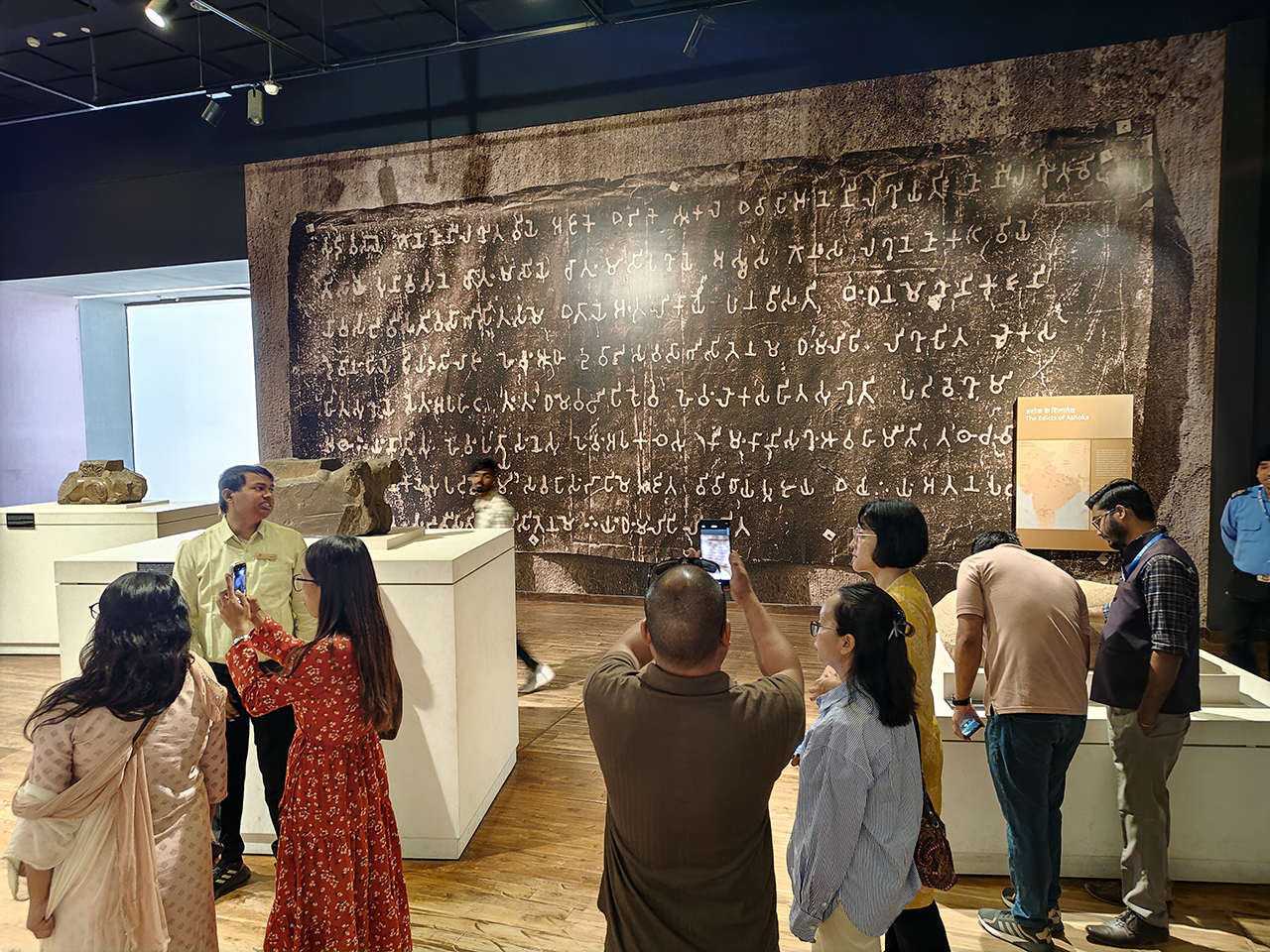
The Bihar Museum houses nine permanent galleries, each contributing to a layered narrative of civilisation. The journey through the museum began with the Orientation Gallery, leading the team into immersive historical narratives.
The most captivating highlight for the delegation was the iconic Didarganj Yakshi (3rd Century BCE). Standing at 5 feet 2 inches, the sculpture is carved from a single block of Chunar sandstone and is celebrated for its mirror-like Mauryan polish and refined craftsmanship. It remains one of the finest surviving examples of ancient Indian art and serves as the museum’s centrepiece.
Architecturally, the museum incorporates multiple courtyards known as “Jharokhas” to maximise natural light. A heritage tunnel currently under construction will connect it to the older Patna Museum, enabling visitors to experience both institutions seamlessly.
Equally noteworthy was the Regional Art Gallery, which celebrates living traditions through vibrant 3D Madhubani art, Kohbar paintings, and Sikki grass craft demonstrating how tradition and contemporary expression can coexist within a museum space.
The visit evolved into more than an observational exercise, it became a case study for Nagaland’s cultural future.
During an interaction with Bihar Museum Director General Anjani Kumar Singh, the delegation gained valuable insights into the challenges and vision behind such an institution.
When asked about the most crucial factor in running a museum, Singh identified funding as the most critical challenge, stressing that maintaining a high quality museum demands substantial and sustained financial support. “Running such institutions is expensive, and continuous government backing is essential,” he emphasised. While opening a museum is simple.
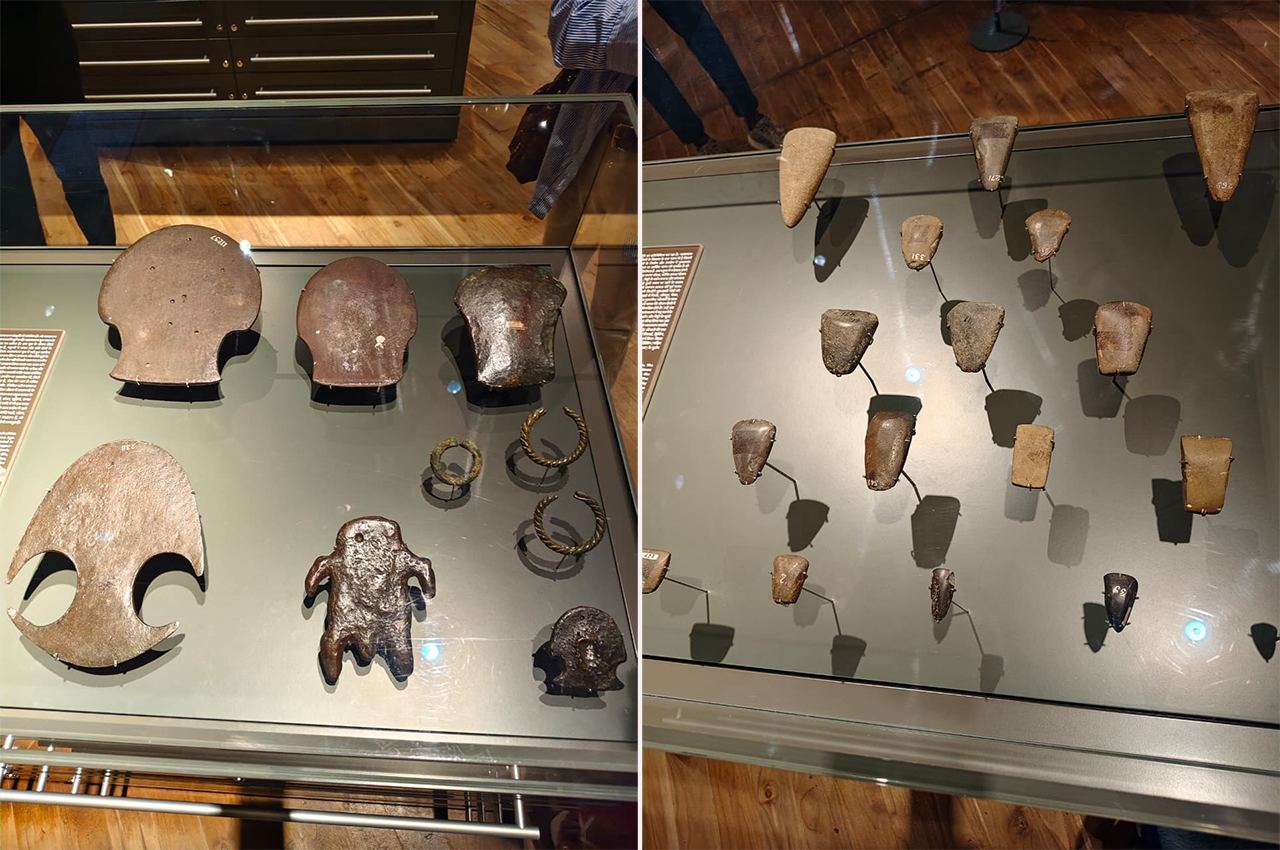
This observation holds direct relevance for Nagaland. While the state possesses immense cultural wealth rich tribal traditions, indigenous crafts, oral histories, and biodiversity, its museum infrastructure development has yet to fully translate these assets into a world class narrative experience.
The Bihar Museum offers a framework for what Nagaland can aspire to:
Build a Narrative, Not Just a Collection
Museums must tell stories. Bihar’s model shows how artefacts can be arranged into a coherent journey from civilisation to culture to identity. Nagaland, with its diverse tribes and histories, has an even richer storytelling canvas waiting to be curated.
Invest in Infrastructure and Vision
A modern museum requires more than buildings, it demands vision, planning, and long term funding. One thing is guaranteed, without consistent government support, growth remains limited.
Promote Handicrafts as Identity
Singh stressed that handicrafts define a region. Bihar’s success with Madhubani art supported by government initiatives has transformed it into a global cultural product. Nagaland’s textiles, woodcraft, and indigenous art forms hold similar potential but require structured promotion and branding.
Create Interactive and Educational Spaces
The inclusion of study centres, children’s galleries, and interactive exhibits makes the Bihar Museum a hub for learning. Nagaland can replicate this by integrating research, education, and tourism within its museums with the help of modern technologies.
Engage the Public Continuously
Regular exhibitions, cultural events, and media engagement keep the museum alive. As Singh noted, a museum cannot remain a “visit-and-leave” space; it must evolve into a cultural ecosystem.
Singh, who has visited states like Tripura, Assam, and Meghalaya, expressed a keen interest in visiting Nagaland. Noting his passion, he said, “I am known for collecting rare plants.” He enquired about the availability of orchids in Nagaland. With such growing interest from visitors and collectors outside the state, the question arises: is Nagaland doing enough to showcase, preserve, and promote its unique plant wealth, or is it time for the state to take more deliberate steps to harness this potential?
Discussions also touched upon Nagaland’s population, its growing tourism sector, and the Inner Line Permit system. Singh remarked on the simplicity and distinctiveness of Northeast communities.
For the visiting journalists, the Bihar Museum was not just an exhibition space but it was an instant experience. From the carefully curated galleries to the seamless blend of architecture, history, and storytelling, the visit offered a glimpse into how a state can transform its heritage into a living narrative.
As the Nagaland delegation continues its tour, the lessons from Bihar Museum gave a great exposure: with vision, investment, and commitment, cultural institutions can become powerful tools of identity, education, and economic growth of a state and overall contribute to country’s rich heritage.
The key takeaway for Nagaland is to focus on storytelling, invest in structure and presentation, and connect heritage with present day identity.
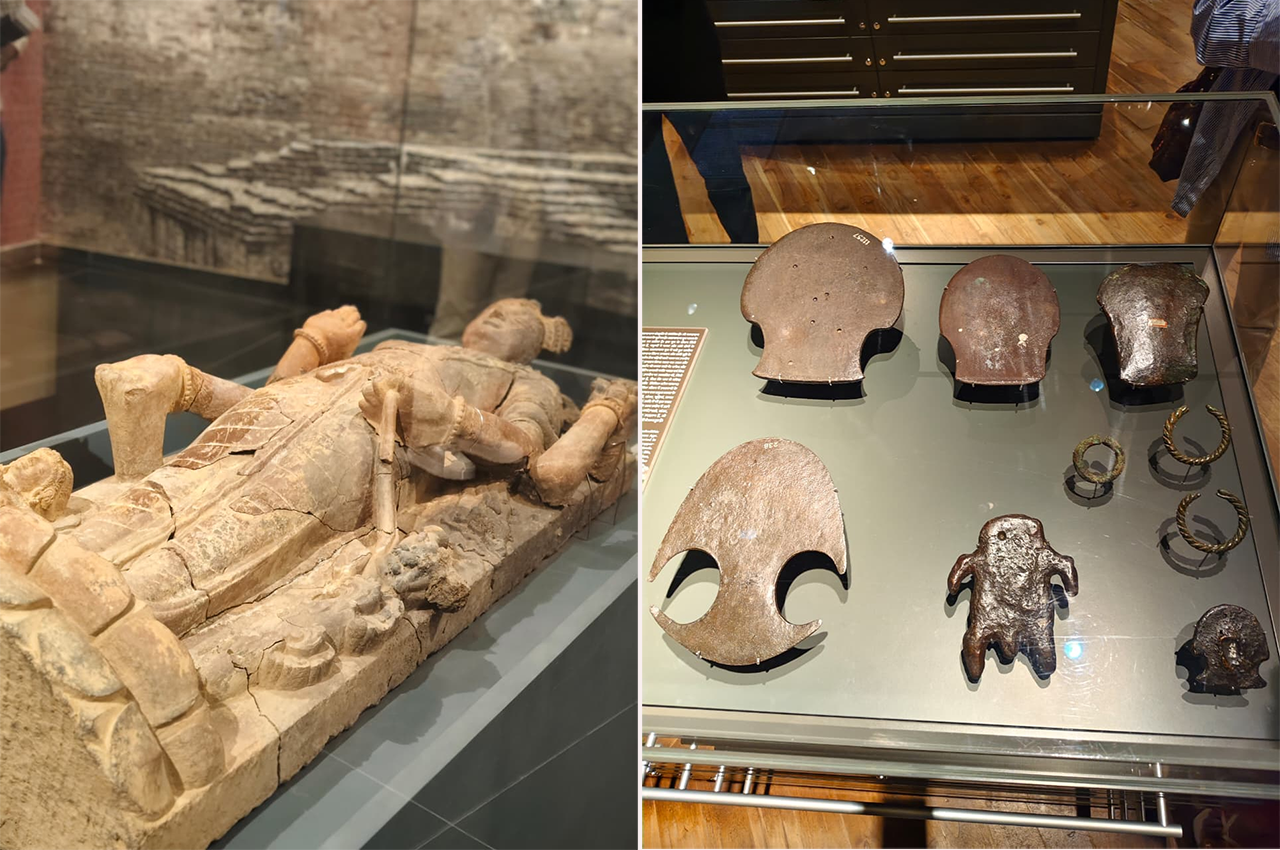
For Nagaland, this means moving beyond conventional displays of artefacts and rethinking museums as active cultural platforms. Naga Indigenous textiles, wood carvings, ornaments, and tools can be presented alongside present day adaptations such as modern Naga fashion, contemporary art, and evolving craft techniques. This approach would not only help preserve heritage but also show its continuity and relevance in today’s context.
Another key area is structured storytelling. Instead of presenting isolated exhibits, museums in Nagaland can organise displays tribe wise or theme wise linking history, migration, festivals, and daily life into a coherent narrative. However, when it comes to the question of Naga migration, the story itself remains complex and layered, shaped largely by oral traditions, differing tribal accounts, and evolving scholarly interpretations.
Historical and anthropological studies suggest that Naga tribes migrated in waves over time, many believed to have come through present day Myanmar, while others trace broader origins to regions of East or Southeast Asia. At the same time, several tribes locate their dispersal points in places like Makhel and Khezhakenoma.
Download Nagaland Tribune app on Google Play

This raises a deeper and more pressing question: are we, as a society, ready to move beyond inherited beliefs and fragmented narratives to pursue rigorous, evidence based understanding of our past? Are we willing to invest in archaeological research, documentation, and interdisciplinary studies that may challenge long-held assumptions but also open doors to new discoveries?
If museums are to truly tell the Naga story, they must not only preserve tradition but also encourage inquiry creating space where oral histories, scientific research, and emerging evidence can coexist, evolve, and be critically examined.
Oral traditions, which are central to Naga identity, can be incorporated through audio visual installations, making the experience more immersive and accessible, especially for younger audiences.
There is also scope for interactive and educational integration. Dedicated spaces for students, researchers, and visitors such as study centres, live craft demonstrations, and guided learning modules can transform museums into knowledge hubs rather than static institutions.
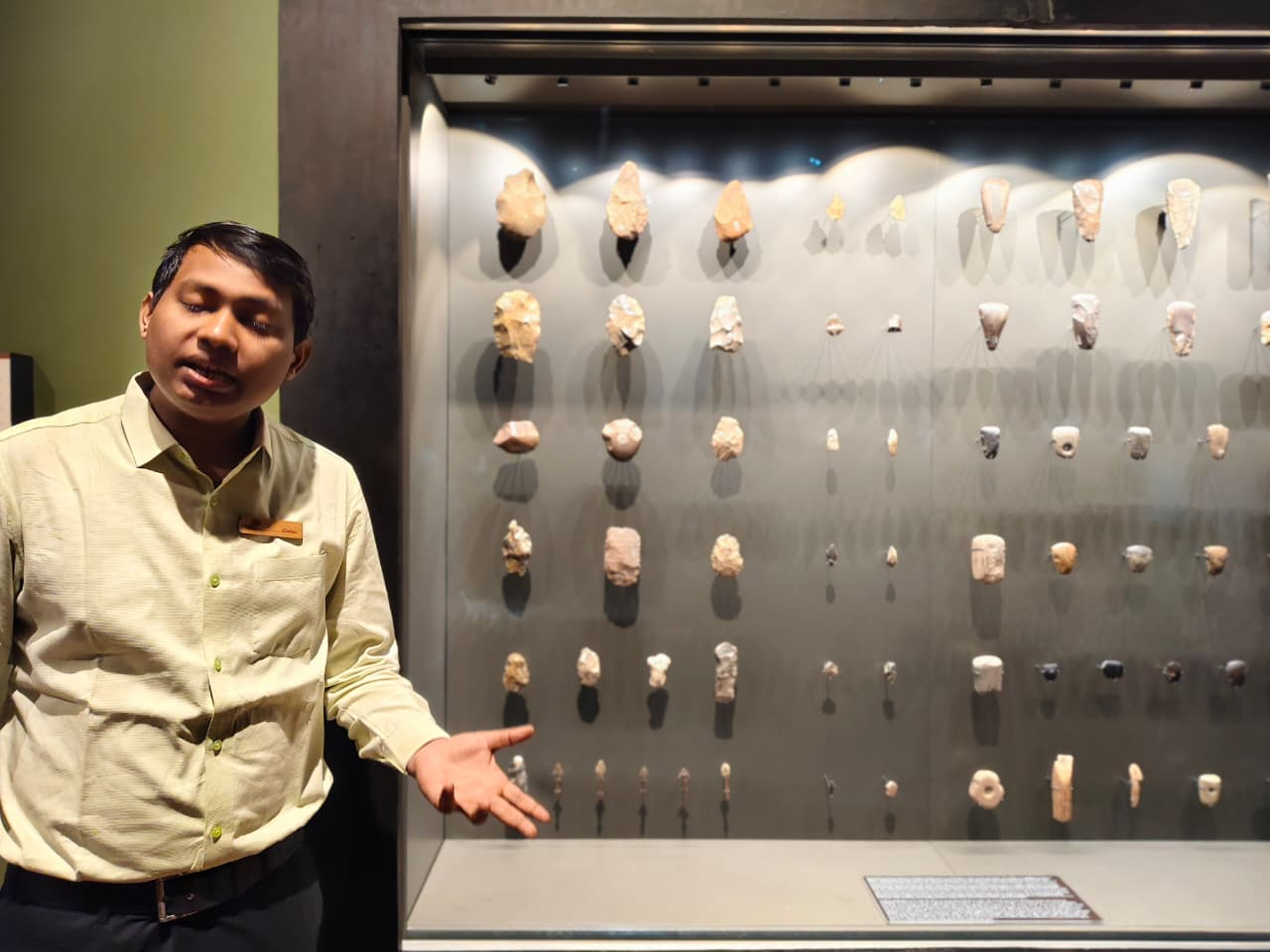
Equally important is government support and policy push. As seen in Bihar’s case, sustained funding, regular exhibitions, and cultural programming are essential to keep museums relevant. Promoting Naga handicrafts through institutional backing and linking them to markets can further strengthen both cultural preservation and economic opportunities.
In essence, Nagaland can build a museum model that not only safeguards the artefacts but also reflects a living, evolving Naga identity where the past is preserved, the present is represented, and the future is actively shaped and give space for study. For Nagaland, the question is no longer whether it has the heritage but whether it is ready to tell its story to the world.