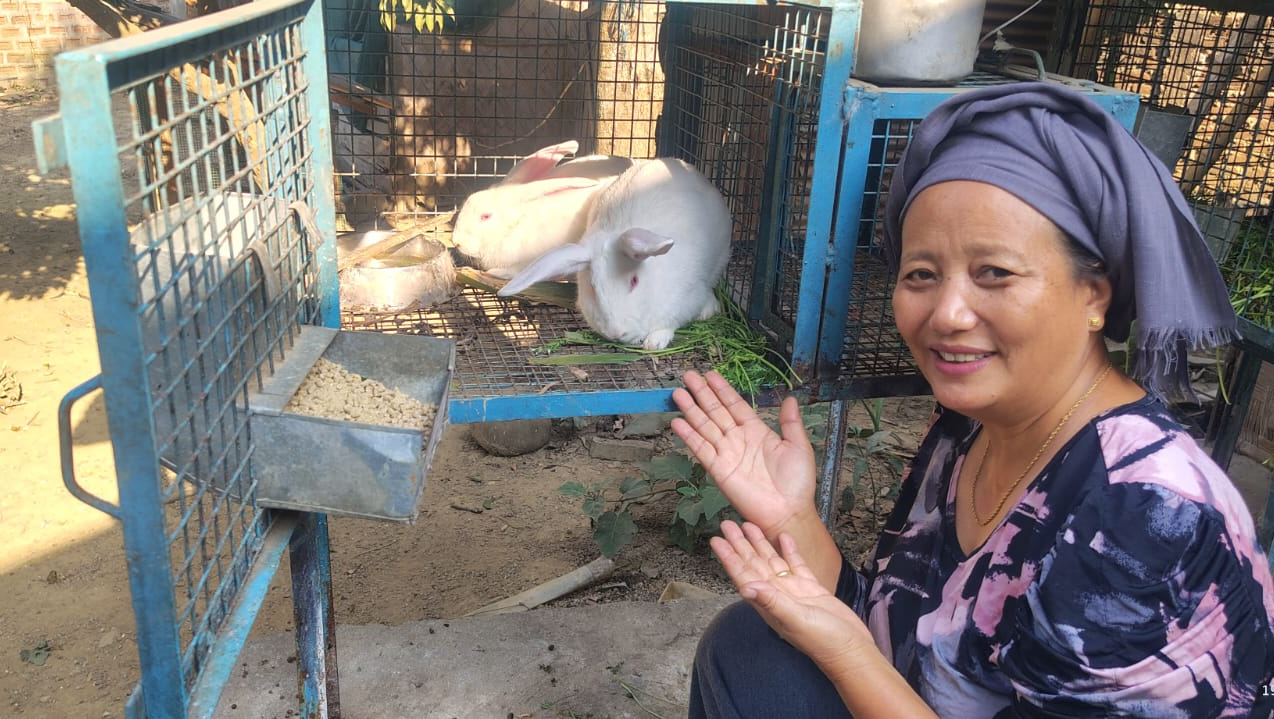
A small yet powerful revolution is quietly taking shape in the backyard of Alemla Samuel of Naga United village in Dimapur district, Nagaland, where determination, scientific support, and innovation have combined to create a sustainable model of livelihood, nutrition, and organic farming. What began as a personal effort to improve her family’s food security has now evolved into a replicable model of rural empowerment, especially for women farmers.
Samuel’s journey into rabbit farming began under the North Eastern Hill (NEH) Programme, through which she received a complete support package from the ICAR–Central Sheep and Wool Research Institute (CSWRI), Avikanagar, in collaboration with the Krishi Vigyan Kendra (KVK), Dimapur, ICAR Research Complex for NEH Region, Nagaland Centre, Medziphema. The programme provided her with high-quality breeding rabbits, scientifically designed cages to maintain hygiene and reduce disease, nutritionally balanced feed, and hands-on technical training, ensuring a strong foundation for sustainable farming.
With consistent mentoring and scientific guidance, Samuel transformed her backyard into a zero-waste, circular economy system. The farm now produces a steady supply of lean, high-protein rabbit meat, improving household nutrition while reducing dependence on expensive market alternatives. At the same time, she has mastered the use of rabbit manure—one of the most nutrient-rich organic fertilizers—to rejuvenate her kitchen garden. The results have been striking, with vegetables growing faster, healthier, and in greater quantities, ensuring year-round food availability for her family.
“Rabbit farming has not only provided meat for my kitchen but has also breathed new life into my vegetable garden through its manure,” Samuel said, reflecting on her journey.
Download Nagaland Tribune app on Google Play

Beyond personal success, her initiative has sparked a ripple effect across the village. Recognizing the potential of collective learning, a Rabbit Farmer Interest Group (FIG) was formed in Naga United village, enabling farmers to share experiences, technical knowledge, and resources. This community-based approach has strengthened confidence among local farmers and encouraged more households to adopt rabbit farming as a viable livelihood option.
The project has been guided by the vision of Dr Arun Tomar, Director of ICAR-CSWRI, and Dr Ranjeet Godara, NEH Coordinator, whose focus has been on promoting scientific livestock farming in the North Eastern region. Regular field visits and technical mentoring are being conducted by Dr Phool Kumari and Dr Ebibeni, NEH Co-Coordinators from KVK Dimapur, ensuring that farmers receive timely solutions to practical challenges.
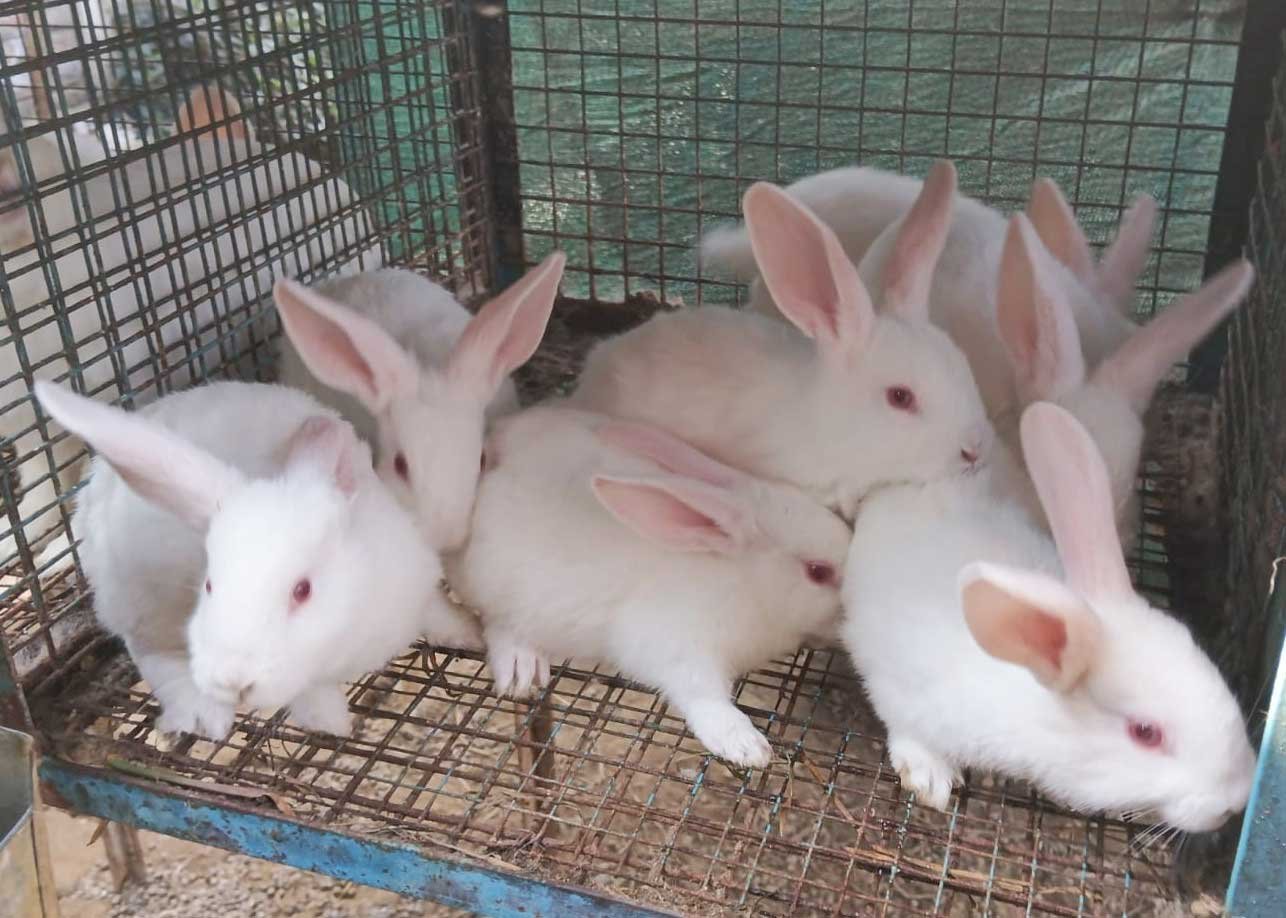
Through this collaborative effort, Alemla Samuel, also serving as Programme Director of LMLC, has emerged as a role model of rural entrepreneurship and sustainable living. Her success demonstrates that with the right blend of science, institutional support, and community participation, even small backyard initiatives can transform household health, enhance income, and contribute to local food systems.
Today, her farm stands as a shining example of how scientific rabbit farming can empower rural women, promote organic agriculture, and strengthen food and nutritional security in Nagaland, offering a sustainable pathway for many more families to follow.