Amid the colourful bustle of the Hornbill Festival, a quiet but powerful story unfolds at one of the stalls—one that carries the weight of Konyak history, the persistence of a family, and the fading echoes of a centuries-old craft.
Meet Wangyi and his wife, Ngapman, a couple from the legendary Longwa village, where the Indo–Myanmar border runs through the Angh’s house and tradition still breathes in every household. Together, they continue an ancestral legacy of crafting traditional Konyak artifacts—each piece handmade, each object carrying a slice of Eastern Naga history.
For generations, Wangyi’s family has been the custodian of intricate craftsmanship.
Five generations before him, including his father who received the Governor’s Award for Handicrafts and is expected to receive a national award in 2025 have carried forward this art.
Now, sixth in line, Wangyi shoulders the responsibility of sustaining not just a craft but a cultural lineage.
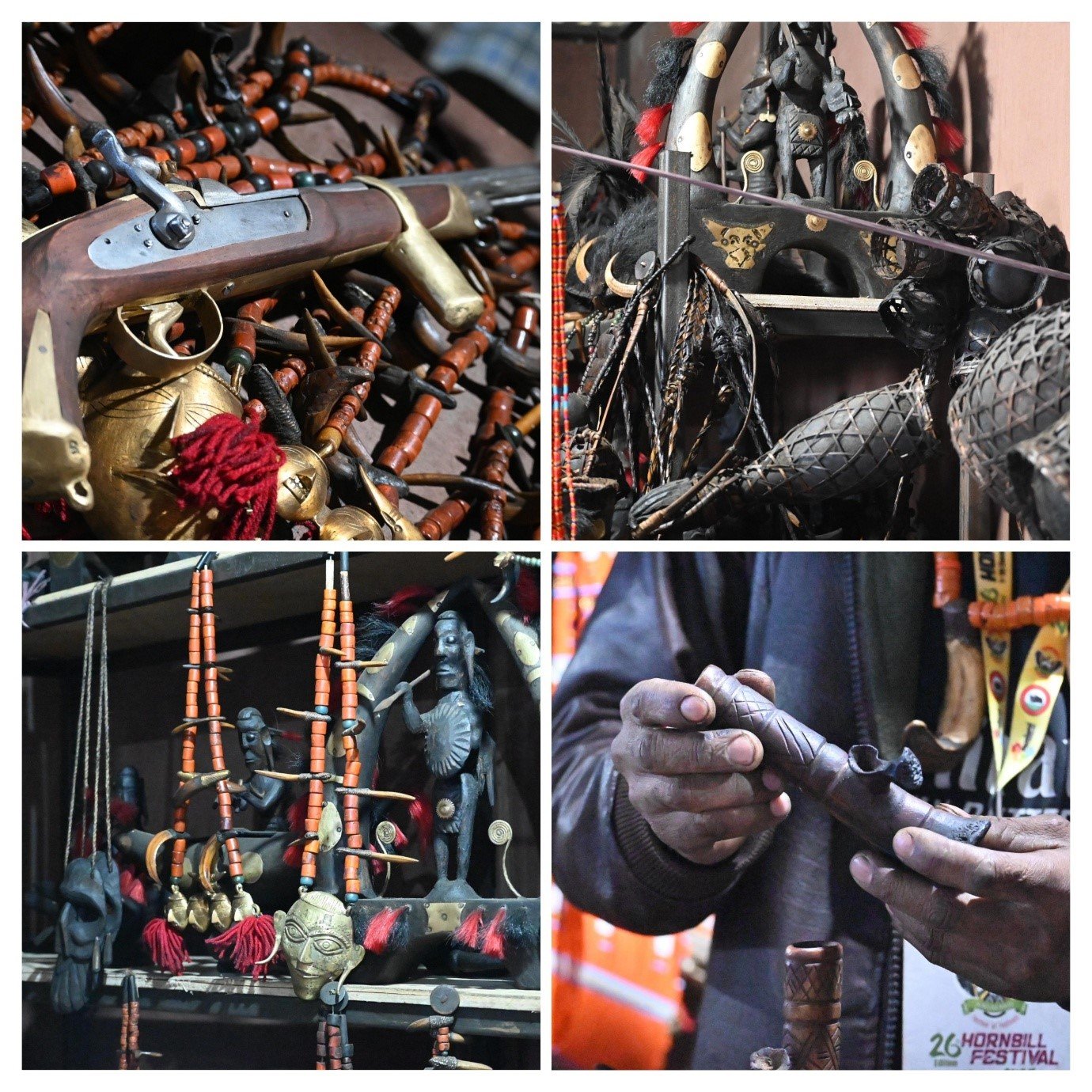
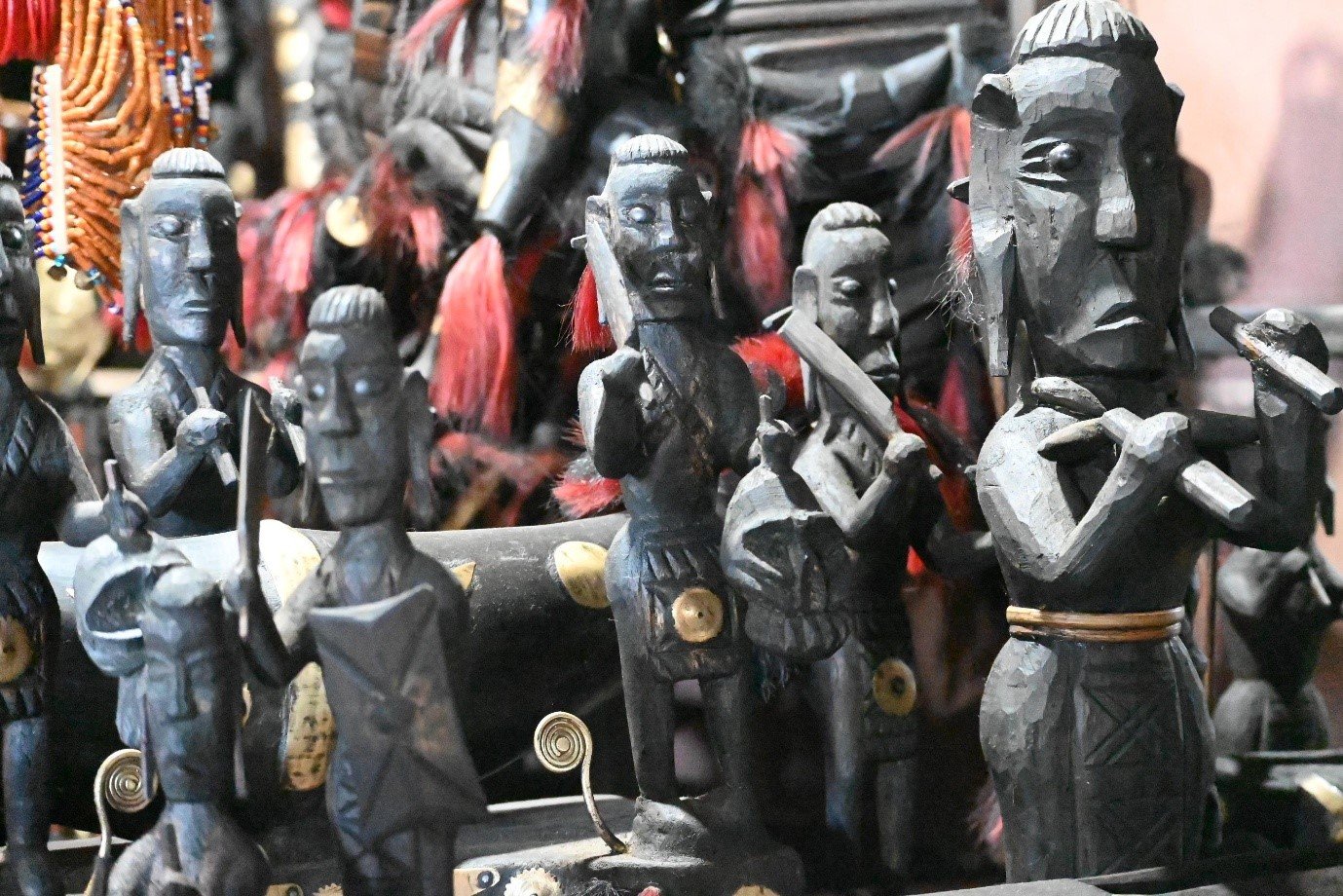
Their products include , Traditional wooden artifacts, Brass and animal-tooth necklaces resembling the head-hunting era, Hand-carved wooden baskets and bags, Beads sourced from Myanmar, Muzzle-loading wooden guns, the most difficult to make, Khaini (tobacco) pipes made from wild animal bones—an art said to have evolved after the British introduced tobacco
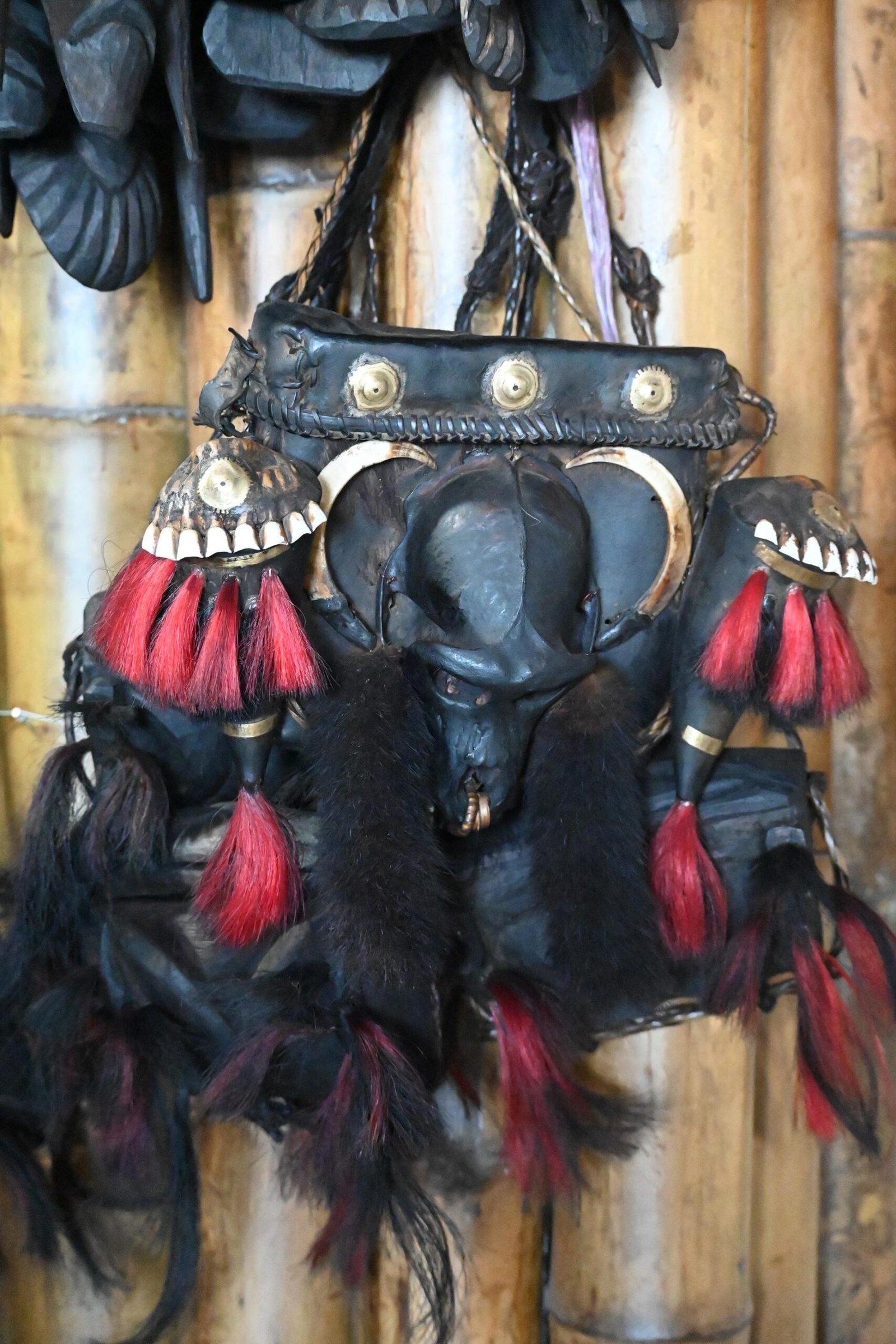
Every item is made with no machines, except a simple filer and grinder. The muzzle-loading guns take over one to two months to craft and and Wanyi said it cost more than ₹10,000 in materials and travel expenses alone to reach Kisama
Although this is their first time selling at the Hornbill Festival, their work has long been displayed in the Konyak Morung, where earnings were barely enough to survive.
“There’s no sale at times, and many days we struggle with nothing,” says Ngapman softly, arranging necklaces made with original wild boar teeth, precious and increasingly hard to find.
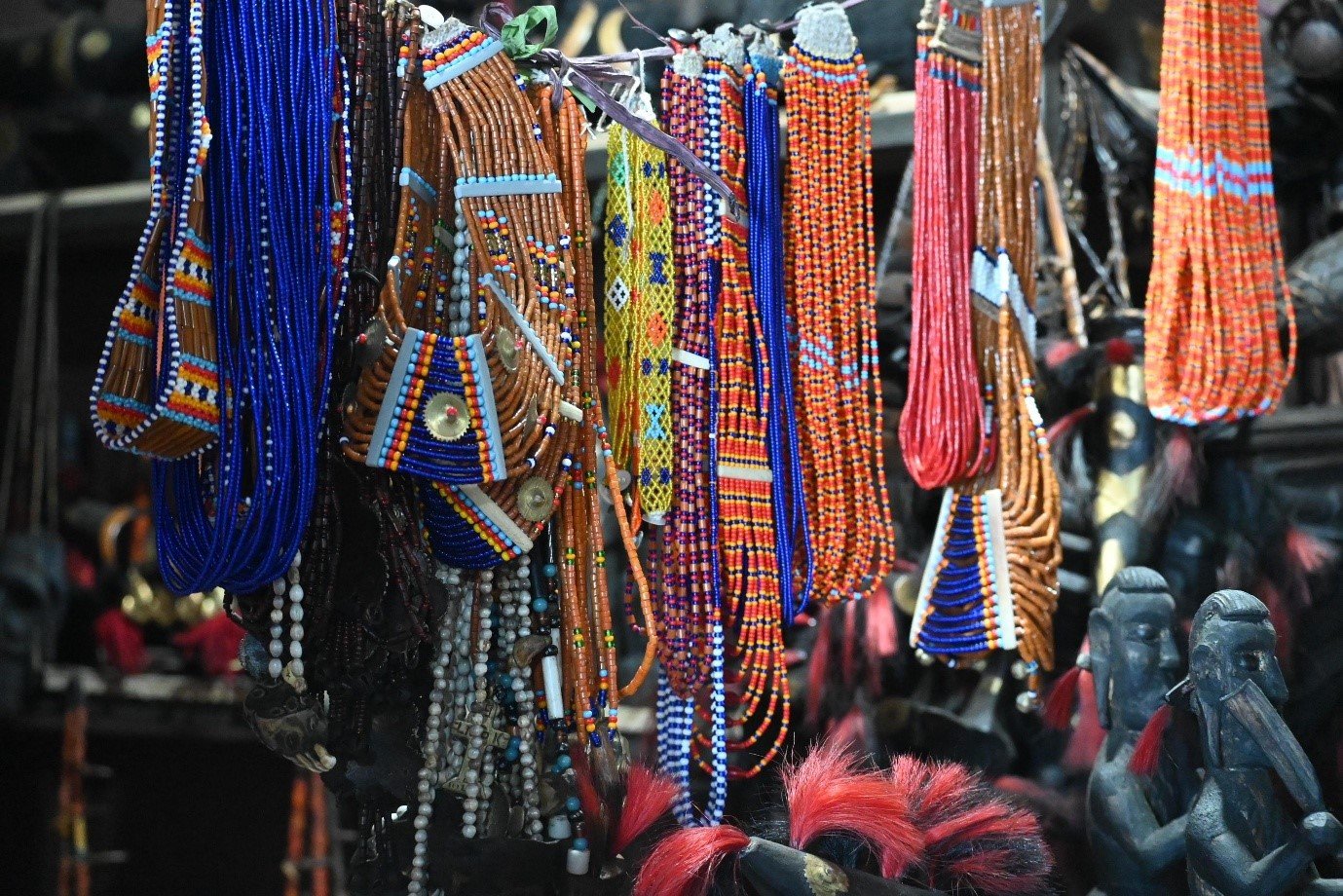
Despite their skill, they often watch middlemen buy their products and resell them as if they made them, leaving the true artisans invisible and unrewarded.
Even getting to the Hornbill Festival was a struggle. “ People told me I was not from Longwa and refused to give me documents,” Wangyi recalls. “We had to struggle for the pass to come here.”
With two children depending on them, the couple has no workers—only their own hands. They sleep in their stall and eat at the Konyak Morung during the festival.
Download Nagaland Tribune app on Google Play

Back home, they craft everything themselves and display products outside the Angh’s house, hoping visiting tourists will buy something. When there are no sales, Wangyi works daily wage jobs to feed his family.
“We follow the tradition because it is who we are,” he says.
This year, many Nagas—even the Chief Minister of Nagaland Dr Rio —purchased their products. The traditional necklaces remain the most sought-after.
“If the organisers give us a chance, we will surely come again next year,” they say with hope.
And as visitors stop by, drawn by the raw authenticity of Longwa craftsmanship, Wangyi has one simple request:
“Come and see what I truly make. See my work for yourself.”
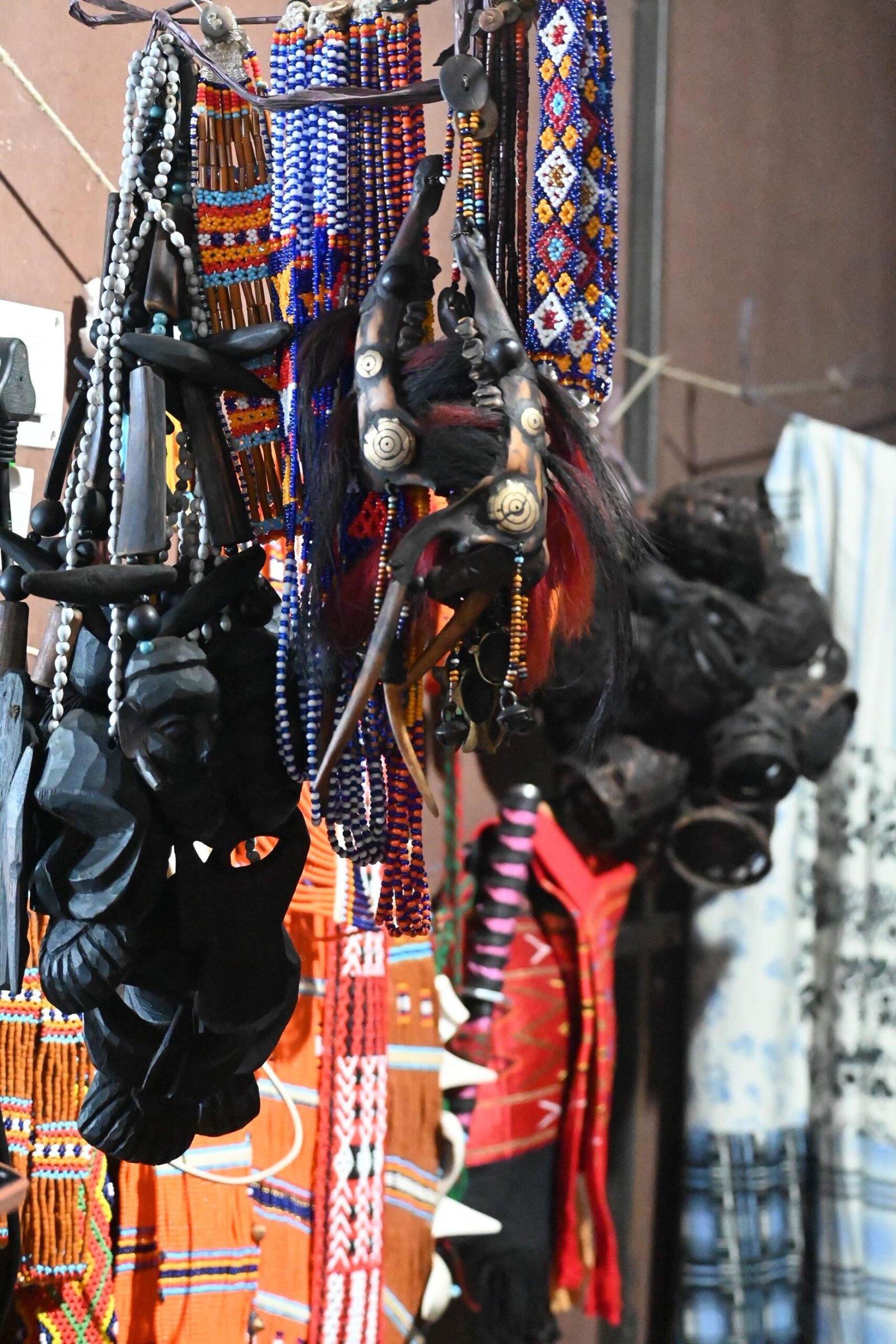
In a festival that celebrates culture, their stall is not just a marketplace it is a living museum of Konyak heritage, held together by the hands of a husband and wife determined to keep their culture alive.