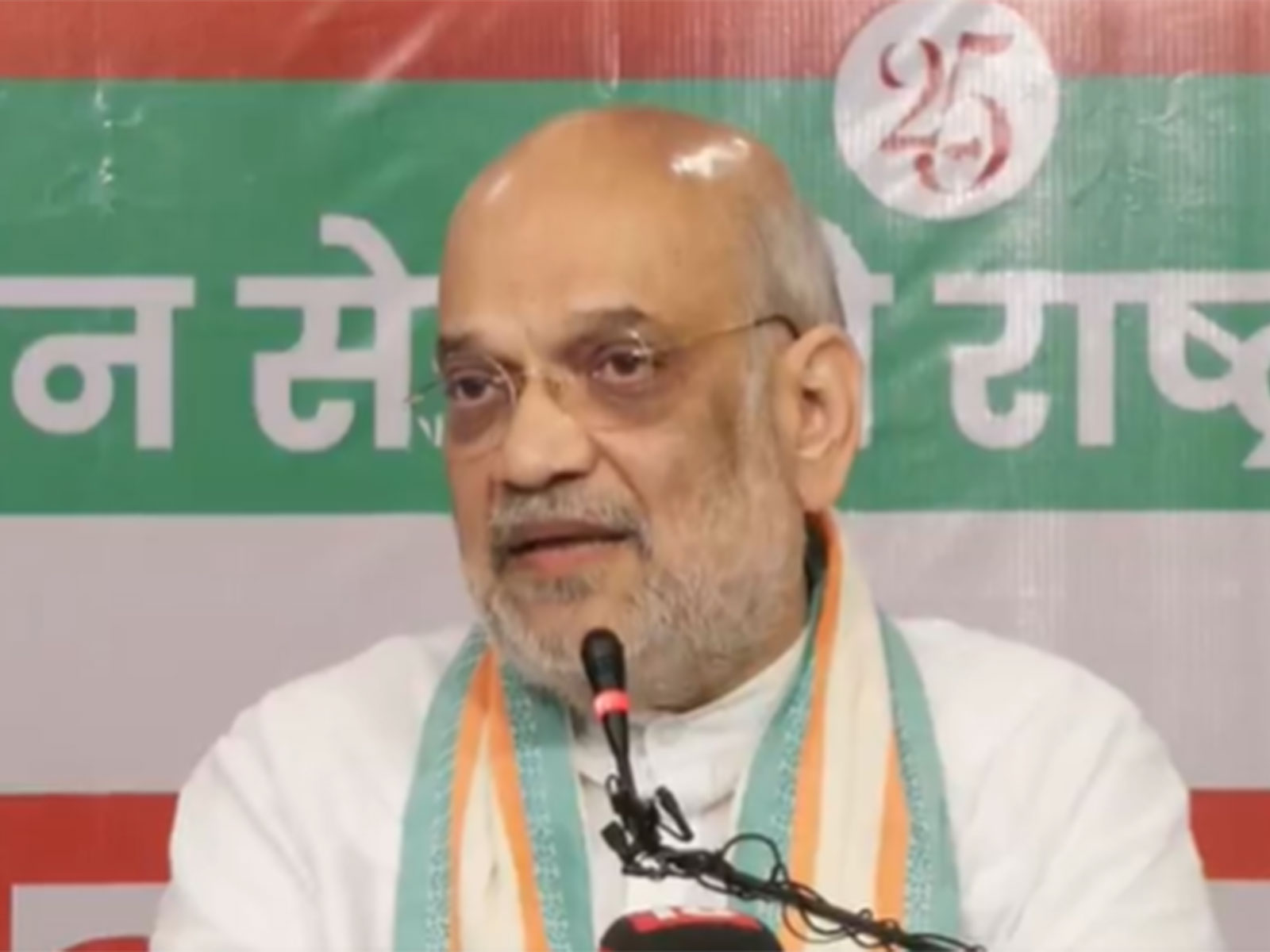
Union Home Minister Amit Shah on Sunday set a definitive political and legislative timeline for the implementation of the Uniform Civil Code (UCC), asserting that it would be rolled out across all 21 states governed by the BJP-led National Democratic Alliance (NDA) before 2029.
Addressing an event in Mumbai, Shah said the UCC had already been introduced in several states and expressed confidence that the remaining NDA-ruled states would follow suit before the end of the current political cycle.
“We introduced the Uniform Civil Code (UCC) in several states. I am confident that we will implement the UCC in all 21 states governed by the BJP-led NDA before 2029,” Shah said.
The UCC Bill has already been passed in three states—Uttarakhand in February 2024, Gujarat in March 2026 and Assam in May 2026.
Shah underscores tougher counter-terror posture
Shah also asserted that India’s national security doctrine had undergone a fundamental transformation under Prime Minister Narendra Modi, citing a series of cross-border military operations as evidence of a more decisive approach towards terrorism.
He said operations such as the surgical strikes, air strikes and Operation Sindoor had demonstrated India’s policy of zero tolerance towards terrorism, while security had been accorded priority across various sectors.
“Operations such as the surgical strikes, air strikes, and Operation Sindoor have established a policy of zero tolerance towards terrorism, while security has been prioritised across various sectors,” he said.
The Home Minister further said India had put in place a robust mechanism to deliver a “befitting response” whenever Indian soldiers or citizens became victims of terrorist conspiracies or attacks.
Download Nagaland Tribune app on Google Play


Caution over LAC negotiations
Responding to questions on the ongoing engagement between the Indian Army and the Chinese military along the Line of Actual Control (LAC), including the status of disengagement talks following the 2020 Galwan Valley clash, Shah cautioned against seeking public disclosure of sensitive details related to border negotiations.
He stressed that while the public continued to have complete faith in the armed forces, certain strategic matters could not be discussed openly without potentially affecting national interests or military considerations.
“We also interact with the public; they have full faith, but there are sensitive matters where disclosing details openly serves neither the national interest nor the Army’s interest,” Shah said.
Article 370, Naxalism and Northeast
Turning again to internal security, Shah said the government had addressed three long-standing challenges—Article 370, Naxalism and the situation in the Northeast—which, he claimed, had posed serious threats to India’s internal security for nearly five decades.
He maintained that the country’s defence and security posture had evolved to enable swift countermeasures against external threats and terrorist attacks, asserting that India had demonstrated its resolve through decisive action.
“Furthermore, a robust policy is now in place to deliver a befitting response whenever Indian soldiers or citizens fall victim to terrorist conspiracies or attacks,” Shah said.
