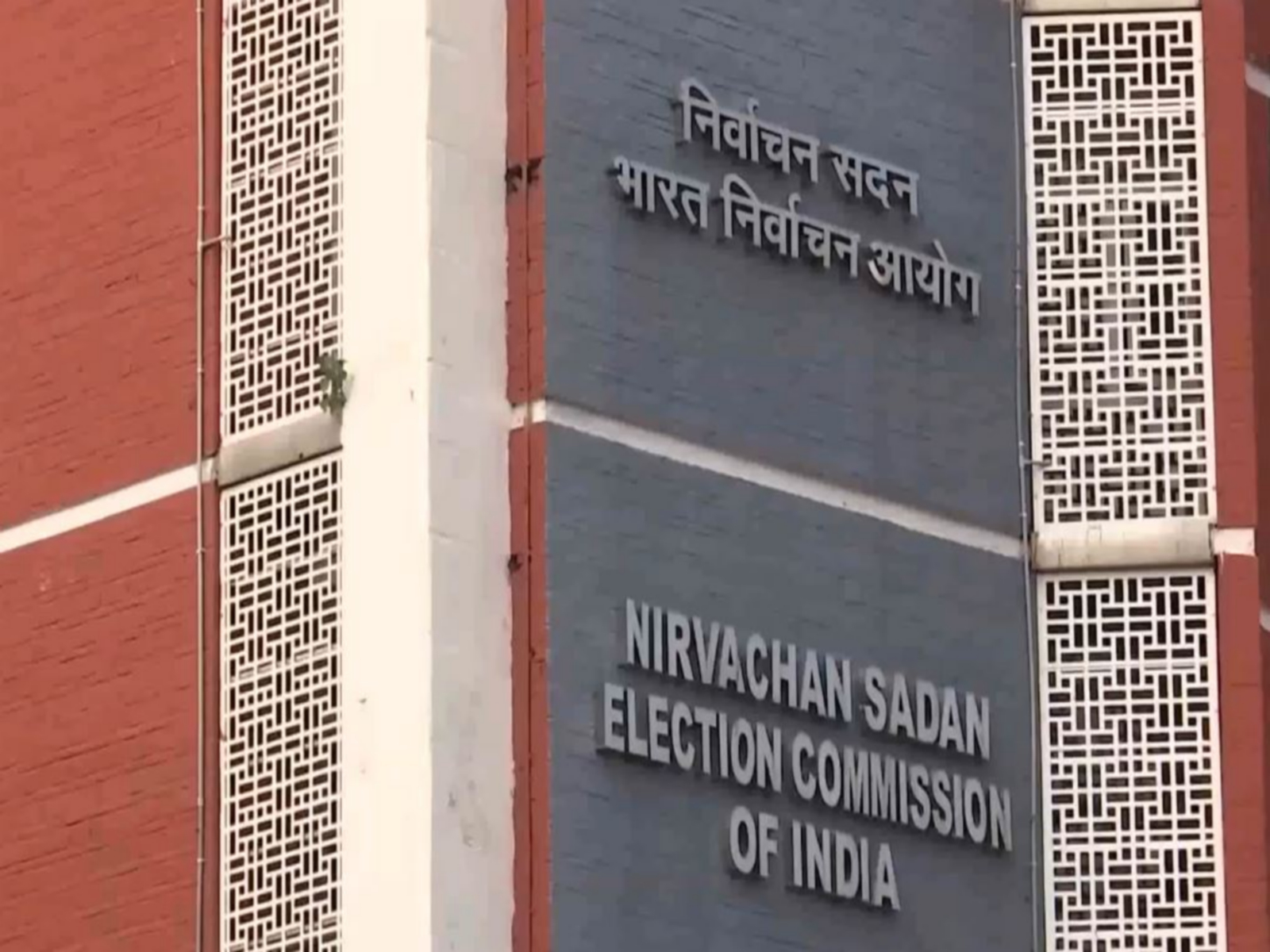
Amid the continuing political controversy over alleged electoral irregularities and the Special Intensive Revision (SIR) of electoral rolls, 124 former IAS, IFS and allied services officers have issued an open letter defending the Election Commission of India (ECI), calling for evidence-based debate and cautioning against allegations of vote rigging without verifiable proof.
In their letter addressed to the citizens of India, the former civil servants said the country’s electoral system had undergone a significant transformation from an era marked by booth capturing, ballot box stuffing and election-related violence to one supported by multiple procedural and technological safeguards.
They cited the deployment of polling agents, sealing of electronic voting machines (EVMs), security arrangements at strong rooms and verification through Voter Verifiable Paper Audit Trail (VVPAT) systems as measures intended to protect the integrity of elections.
Referring to the 2025 Bihar Assembly elections, the officers claimed that polling was conducted without any re-polling and recorded the highest voter turnout since 1951. They said these developments reflected improvements in election management and institutional safeguards.
“A system cannot be honest when you win and rigged when you lose,” the letter stated, arguing that the Election Commission’s functioning should not be judged solely on the basis of electoral outcomes. The signatories also pointed out that the party ruling at the Centre had lost several state elections under the same Commission and failed to secure an outright majority on its own in the 2024 Lok Sabha elections.
SIR necessary to maintain accurate electoral rolls
Defending the SIR exercise, the former officers described it as an important administrative process to maintain accurate voter lists by identifying deceased electors, duplicate entries and people who had permanently shifted their residences.
According to the letter, the revision exercise in Bihar identified around 22 lakh deceased electors and seven lakh duplicate entries, while approximately 21.5 lakh new voters were added.
The officers argued that inaccurate electoral rolls could create opportunities for impersonation and compromise the fairness of elections. They maintained that periodic revision was necessary to ensure that electoral rolls reflected eligible voters while removing entries that no longer met the prescribed criteria.
The signatories also pointed to procedural safeguards intended to address concerns over wrongful exclusion, including publication of draft electoral rolls, opportunities to submit claims and objections, hearings and provisions for appeals.
Download Nagaland Tribune app on Google Play


Call for evidence and legal remedies
The former civil servants said allegations of electoral manipulation should be supported by verifiable evidence and pursued through established legal mechanisms, including objections to electoral rolls and election petitions before the High Courts.
“Questioning is every citizen’s right. Proving is the accuser’s duty,” the letter stated.
They cautioned that sweeping or unsubstantiated allegations could undermine public confidence in democratic institutions and the electoral process, while emphasising that genuine concerns and administrative errors should be examined through due process.
The letter called for electoral disputes to be addressed through evidence, established procedures and legal remedies rather than broad allegations about the integrity of the entire election machinery.
Citizens urged to verify voter registration
The former officers also appealed to citizens to check their names on electoral rolls and help family members, neighbours and migrant workers verify their registration status.
They acknowledged the role of Booth Level Officers and other election personnel in maintaining and updating voter lists, stressing that public participation was important to ensuring that eligible citizens were registered.
While defending the ECI and the principle of electoral-roll revision, the signatories said democratic institutions must be protected through informed public debate, procedural accountability and respect for constitutional mechanisms.
The letter comes amid an intensifying political dispute over the SIR exercise, with opposition parties raising concerns about alleged voter exclusions and the functioning of the Election Commission, while the Commission has maintained that its decisions were taken in accordance with the law.
(with inputs from ANI)