Doctors have underscored the importance of effective pain management, holistic patient care and community participation in improving the quality of life of people living with serious and life-limiting illnesses, as Nagaland steps up efforts to establish dedicated palliative care services across the state.
The emphasis was made during the observance of World Hospice and Palliative Care Day, organised by the District Health and Family Welfare Department in collaboration with Serene Palliative Care and Dimapur Ao Baptist Arogo (DABA), with sponsorship from the Department of Health and Family Welfare, Nagaland. The theme of the observance was “Pain Management: An Essential Part of Palliative Care.”
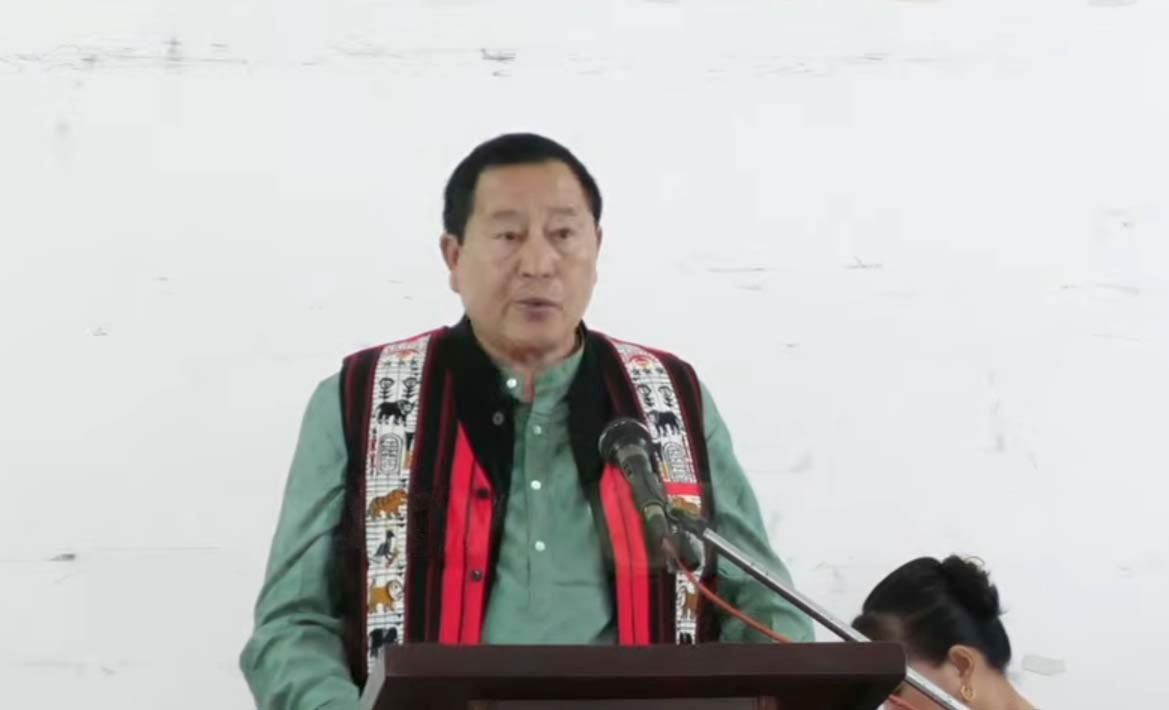
Speaking on the occasion as the guest of honour, Principal Director of Health and Family Welfare, Nagaland, Dr Keveduyi Theyo said palliative care was essential to improving the quality of life of patients and their families facing the physical, psychological, social and spiritual challenges associated with serious illnesses.
He said the observance aimed to raise public awareness, advocate equitable access to pain relief and medical care, encourage open discussions on pain management and recognise the contribution of healthcare professionals and family members who provide compassionate care.
Dr Theyo stressed that palliative care should not be viewed as a service limited to hospice settings or the final stages of life. Rather, it should be understood as an approach that relieves suffering, upholds human dignity and supports patients and their families throughout the course of a serious illness.
He pointed out that the need for palliative care was increasing with the ageing population and the growing burden of non-communicable and certain communicable diseases. He said the healthcare system must focus not only on treating diseases , but also relieve suffering, uphold dignity, and support families.
Citing a global estimate, Dr Theyo said only 14% of people requiring palliative care currently received it, highlighting the need to improve access to services.
Referring to the National Programme for Palliative Care (NPPC), he said the programme sought to integrate palliative care into India’s healthcare system and make services more accessible and community-oriented.
He observed that more than 80% of palliative care needs could be managed at home if appropriate training and support systems were available. Many patients with cancer, end-stage organ failure, neurodegenerative diseases and geriatric conditions preferred to remain at home, surrounded by their families.
According to Dr Theyo, home-based care could be more cost-effective than hospital-based care while improving patients’ quality of life and reducing unnecessary hospitalisation.
He called for the effective implementation of the NPPC in all districts, with particular emphasis on pain and symptom management and the involvement of multidisciplinary teams to ensure comprehensive care.
Dr Theyo also acknowledged the support extended by the Government of India through the National Health Mission and commended Joint Director of Health and Family Welfare and State Programme Officer for NPPC, Dr Imnapokim, for her efforts to advance the programme in Nagaland.
12 palliative care units established across Nagaland
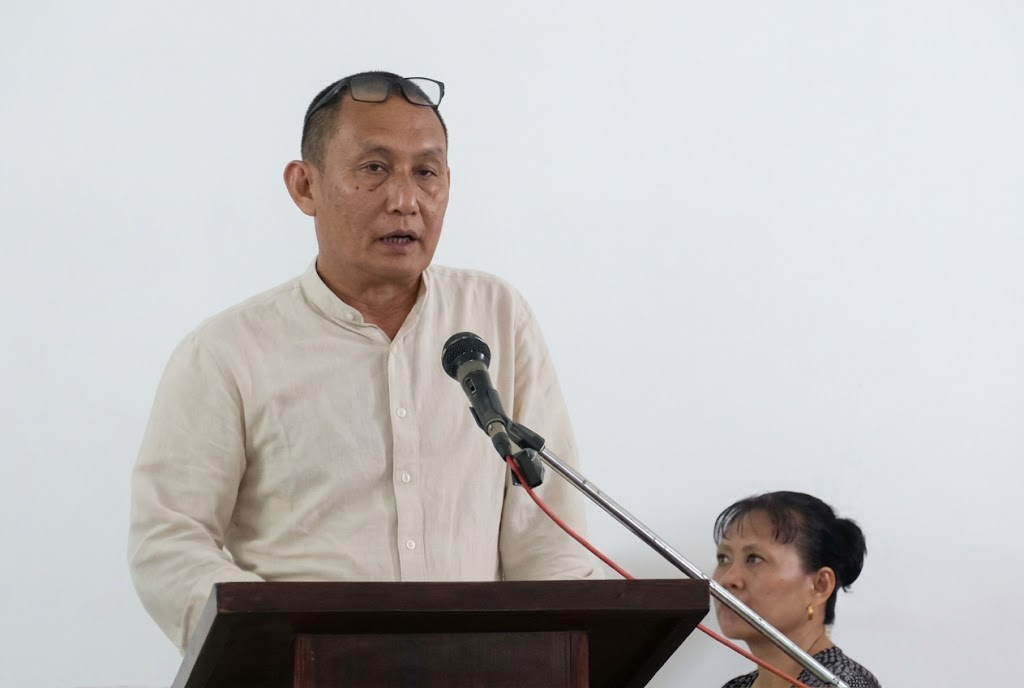
Dr Imnapokim, Joint Director, Health & Family Welfare, Nagaland & State Programme Officer, NPPC, said palliative care services in Nagaland had faced challenges in recent years because of inadequate training of dedicated personnel, shortages of manpower and space constraints in district hospitals.
He said the programme began at Naga Hospital Authority Kohima in 2018-19, making it one of the oldest palliative care centres within the state’s government healthcare system. Palliative care services were subsequently introduced at the Christian Institute of Health Sciences and Research (CIHSR), Dimapur, and other referral-level facilities.
Over the past year and in 2026, the department had expanded the programme to all 11 districts, including Noklak Community Health Centre, bringing the total number of palliative care units in the government health system to 12.
The department had appointed nodal officers to oversee the programme at the respective facilities. In Dimapur, Dr Sensano had been designated as the nodal officer.
As most of the units had been initiated recently, Dr Imnapokim said the department was working to make them fully functional within the next one to two months.
He said capacity-building remained a priority to ensure that trained personnel could provide basic palliative care services in government-approved district hospitals and that the programme became an integral part of district-level healthcare delivery.
On training initiatives, Dr Imnapokim said the department had collaborated with Pallium India, a palliative care organisation based in Kerala, to strengthen the capacity of healthcare professionals.
Through online training conducted last year, around 12 doctors and 16 nurses received certification and were now working in palliative care.
The department had also organised a Training of Trainers programme, during which around 37 medical officers were trained with the support of resource persons, including Obangjungla and Imlitemsu. In 2026, community health centre nurses received training through these trainers in their respective districts.
Physiotherapists and staff nurses from district hospitals had also undergone training this year.
Download Nagaland Tribune app on Google Play


Dr Imnapokim expressed confidence that the growing pool of trained personnel would help strengthen palliative care services in government healthcare facilities across Nagaland.
He further informed that the department had extended grant-in-aid to Impur Christian Hospital and the Pain and Palliative Care Centre to support the establishment of palliative care services in their respective institutions.
The department had also signed a memorandum of understanding with Pallium India this year. Through the partnership, the organisation would assist with training, infrastructure, equipment and other requirements to strengthen the programme.
Dr Imnapokim said churches and non-governmental organisations could play an important role in expanding palliative care services, particularly by supporting patients and families at the community level.
Welcoming DABA’s interest in the initiative, he urged other churches and organisations to consider establishing palliative care services, noting that such care addressed not only physical suffering but also patients’ psychological, social and spiritual needs.
While acknowledging that the department might not always be in a position to provide financial assistance to community organisations, she said it was willing to extend support through training and other forms of technical assistance.
“Let us together make a difference in the lives of people living with serious and life-limiting illnesses,” he said, calling for a collective effort to bring comfort, dignity and hope to patients and their families.
Pain is more than a physical experience
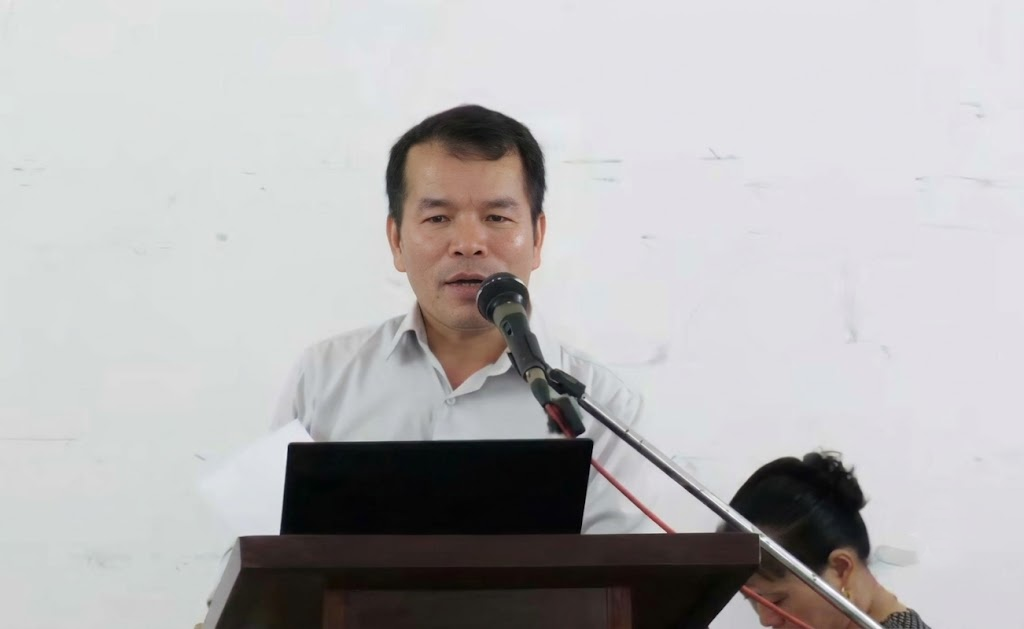
Speaking on the theme, Dr Nepuni Athikho of Eden Medical Centre highlighted the complexity of pain in palliative care, explaining that patients often experienced several symptoms alongside pain, including breathing difficulties, anxiety, nausea and other forms of discomfort.
He said pain could become increasingly complex as an illness progressed, with many patients reaching palliative care facilities only when their pain had become severe or very severe.
Referring to data cited by the Indian Association of Palliative Care, Dr Athikho said around three-fourths of cancer patients experienced pain. Among those affected, some experienced a single type of pain, while others suffered from two or three or more types. Approximately one-fourth of cancer patients experienced little or no pain, according to the figures he presented.
Explaining the nature of pain, he said it was a subjective experience and should be understood in terms of what the patient reported. Pain could exist even when there was no visible wound or obvious physical injury.
He also drew attention to factors that could aggravate pain, including helplessness, sleep difficulties, hopelessness, depression, exhaustion, anxiety, fear and fatigue. These factors, he said, needed to be considered while assessing and managing a patient’s condition.
Dr Athikho referred to the concept of “total pain,” introduced by Dame Cicely Saunders, a pioneer of modern palliative care. The concept recognises that pain is not merely a physical sensation but can also involve psychological, social and spiritual suffering.
He explained that the different dimensions of pain were interconnected and required a holistic approach. Effective pain management therefore involved more than prescribing medicines or treating physical symptoms.
According to him, pain management was not the responsibility of doctors alone but required a multidisciplinary team comprising doctors, nurses, physiotherapists, pharmacists, chaplains, occupational therapists and volunteers.
He emphasised the important role of communities and volunteers in supporting patients, providing comfort and helping preserve their dignity and quality of life.
Dr Athikho said palliative care could be delivered through dedicated centres, hospitals, day hospices and community-based services, including home visits that allowed patients to receive care in familiar surroundings.
He also stressed the importance of regularly reassessing patients, as pain could change or new forms of pain could develop as an illness progressed. Changes in pain sensitivity and the development of additional symptoms made continuous assessment an essential part of treatment.
Referring to the World Health Organization’s analgesic ladder, he said it provided broad guidance for selecting pain-relieving medicines according to the intensity of pain.
Dr Athikho reiterated that effective pain management required attention to the patient’s physical condition as well as psychological, social and spiritual well-being.
The observance highlighted the need to strengthen palliative care services across Nagaland through trained healthcare personnel, improved infrastructure, home-based care and partnerships with churches, voluntary organisations and local communities. The speakers stressed that coordinated efforts would be essential to ensure that people living with serious and life-limiting illnesses could access compassionate care, relief from suffering and support for themselves and their families.