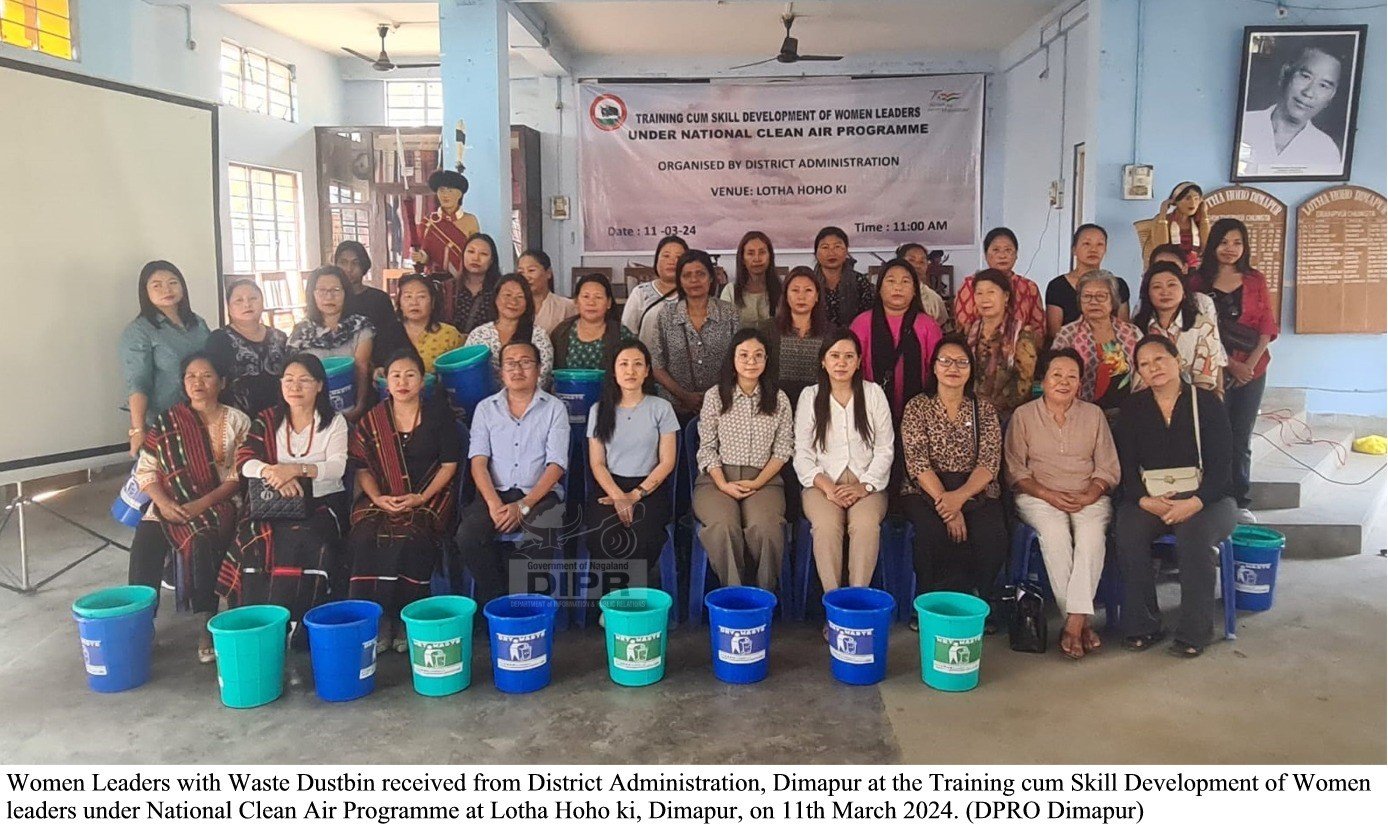
A training cum skill development of women leadera under National Clean Air Programme was held in Dimapur on March 11 by the District Administration of Dimapur, informed DIPR.
Chairperson Imlijungla Lemtur, EAC Dimapur in her welcome address noted that the Dimapur is one of the two cities in Nagaland which has been declared non-attainment city because the air quality standards of Dimapur has been below nation average for five consecutive years. In this regard, one of the sources of pollutant is also burning of waste, where efficient waste management techniques become important in terms of contributing to efforts aimed at reducing air pollution.
Manpai Phom, NCS Administrator DMC addressed the participants emphasising on the importance of action in community and household level. He informed that pilot project for door to door waste collection has already been initiated in Duncan and Riverbelt Colonies where smaller trucks are making two-three rounds of collection and households are disposing segregated waste. He reiterated that handholding in conjunction with community and household participation was the need of the hour in tackling this issue of waste management.
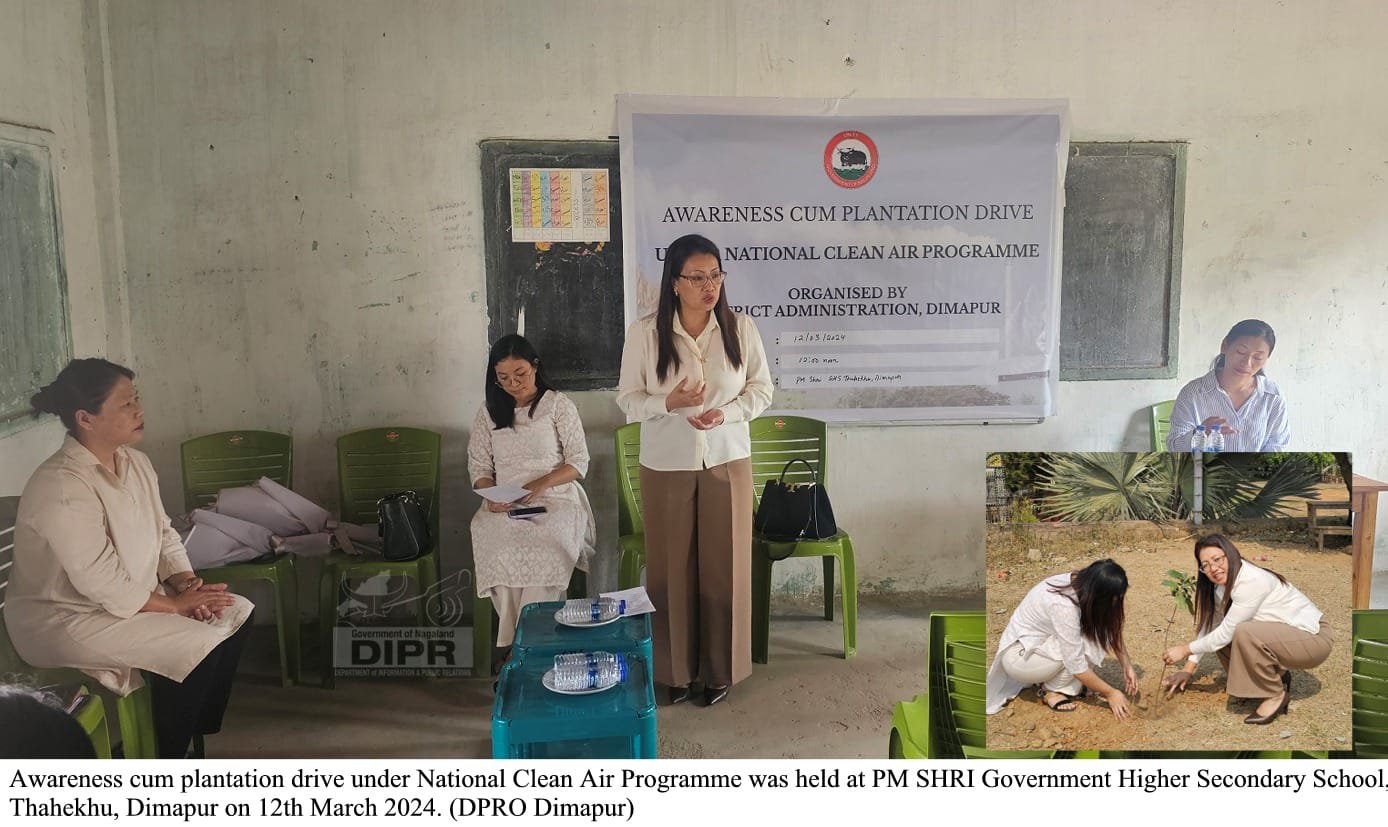
In the technical session, Olivi G Chophy, Senior Scientific Assistant, Nagaland Pollution Control Board (NPCB) in her presentation urged the women leaders to use this knowledge of what they have learned from the training to bring a brighter future and to teach not only themselves but all the members in the family and to the society as a whole, as air pollution target mostly children and elderly people.
Download Nagaland Tribune app on Google Play

The workshop on Waste Management Techniques was delivered by Team PRO RURAL where it was mentioned that India produces 1.6 lakh MT per day and Global waste is expected to grow to 3.40 billion tonnes by 2050. According to Morung Express in 25 February 2022, Dimapur and Chümoukedima with combined, generated 115 MT per day where 70 percent was from collected and disposal at the trenching ground and 30 percent from litter in the drain, lanes, rivers and corners.