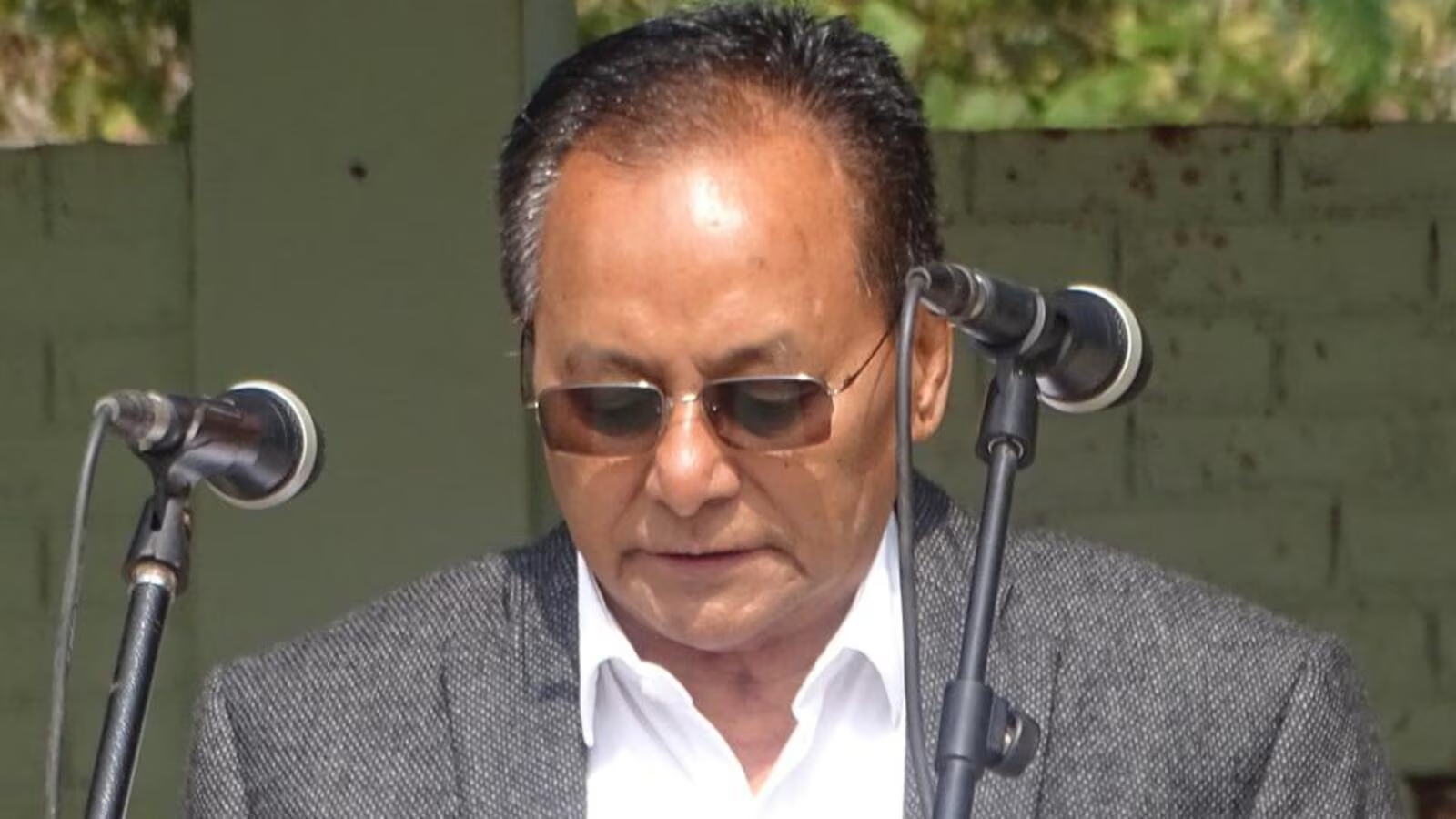
NSCN (IM) President, Q Tuccu on Monday reaffirmed that the Framework Agreement (FA) signed on August 3, 2015, between the Government of India and the NSCN remains the sole basis for resolving the Indo-Naga political issue, while accusing the Centre of delaying the peace process and attempting to dilute the spirit of the accord.
Addressing the commemoration of the 10th anniversary of the signing of the Framework Agreement, Tuccu described August 3, 2015, as a “Red Letter Day” in Naga history and paid tribute to late NSCN Chairman Isak Chishi Swu, General Secretary Th. Muivah, Khodao Yanthan, Gen. (Retd) Kholi, Brig. Thungbo, former leaders and Naga martyrs for their role in advancing the political negotiations.
He said the agreement marked a historic milestone as it recognised the “unique history of Naga independence and sovereignty of the Nagas” and laid the foundation for a new relationship between the Nagas and India.
According to Tuccu, the Framework Agreement acknowledged the 1947 declaration of Naga independence and the 1951 plebiscite as political and legal entities, while recognising the sovereignty of the Naga people.
Seeking to address what he described as misinformation surrounding the accord, Tuccu said the negotiations were bilateral in nature and intended to culminate in a bilateral agreement between two entities. He asserted that the Framework Agreement recognises the Naga national entity, states that sovereignty lies with the Naga people, and envisages peaceful coexistence between the Naga and Indian peoples by sharing sovereign powers.
He further claimed that the Agreement recognises the Nagas as owners of their land and natural resources, upholds the integration of all Naga-inhabited areas as a legitimate aspiration, and acknowledges the NSCN as the authentic political organisation of the Naga people.
He also said the proposed “Pan Naga Hoho” would safeguard Naga culture, customs, languages and traditions, while transitional political arrangements in the form of Naga Regional Territory Councils (NRTC) were proposed for Naga areas outside Nagaland until the integration issue is resolved.
Tuccu said these understandings corrected what he termed the historical mistake of treating the Naga issue merely as a law-and-order problem rather than a political issue.
However, expressing concern over the lack of progress since the signing of the agreement, Tuccu alleged that the Government of India had deliberately delayed its finalisation and was attempting to reinterpret the Framework Agreement to suit its own interests. He also accused unnamed individuals of spreading misinformation and creating confusion among the Naga people.
Download Nagaland Tribune app on Google Play


He maintained that the NSCN had repeatedly resolved through its Tatar Hoho to uphold the Framework Agreement under all circumstances and declared that any attempt to seek a political settlement outside its framework would amount to a betrayal of the mutually agreed principles.
Reiterating the organisation’s stand, Tuccu said the NSCN had never compromised on the issues of Naga sovereignty, independence, territorial integration and national identity. He asserted that these principles had already been recognised during the negotiations and vowed that the organisation would continue to defend them.
Calling for unity, Tuccu warned against internal divisions, factionalism and betrayal, saying the Naga movement must remain issue-based and principle-driven. He claimed that external forces had penetrated Naga society and sought to weaken the movement but said truth and commitment to the cause would ultimately prevail.
On the contentious issues of the Naga national flag and constitution, Tuccu argued that both were inseparable components of sovereignty. While acknowledging that they remained unresolved, he expressed confidence that these issues and other pending matters could still be settled through bilateral negotiations.
He further alleged that sections of the Indian establishment were attempting to undermine the Framework Agreement by delaying a final settlement and accused them of pursuing what he described as colonial policies. He also claimed that attempts were being made to derail the peace process through divisive tactics, including the alleged use of “surrogate Kuki mercenary forces” against the Nagas.
Appealing to NSCN cadres, other Naga political groups and the Naga public, Tuccu urged them to remain united in “one voice and one decision” to resist the colonial policy of India and those divisive forces that seek to derail this principle-based solution.