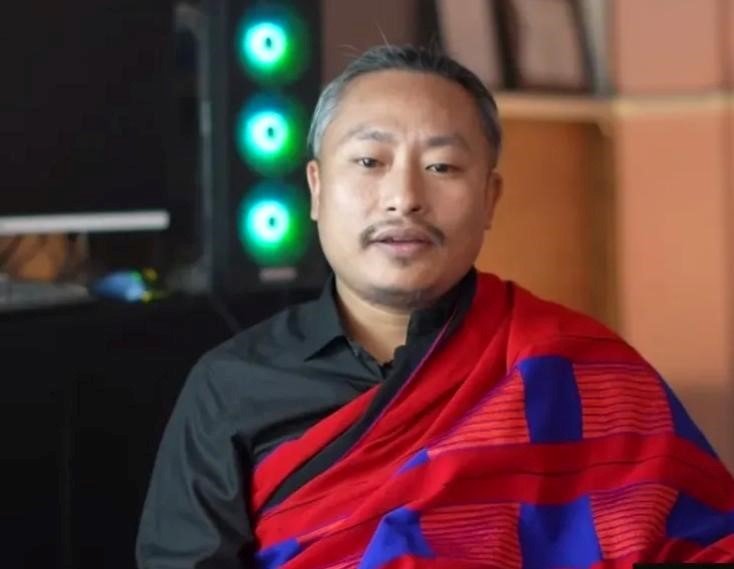
“I grew up in Tuensang, in a very ordinary home where life was simple, sometimes tough, but always grounded in values. Nothing in my childhood was loud or dramatic, it was the kind of life where you learn to be content with what you have. People worked hard, spoke softly, and carried their struggles quietly,” says Moses Hongang Chang, a journalist at The Morung Express, a documentary filmmaker, photographer and storyteller from the Chang community of Tuensang.
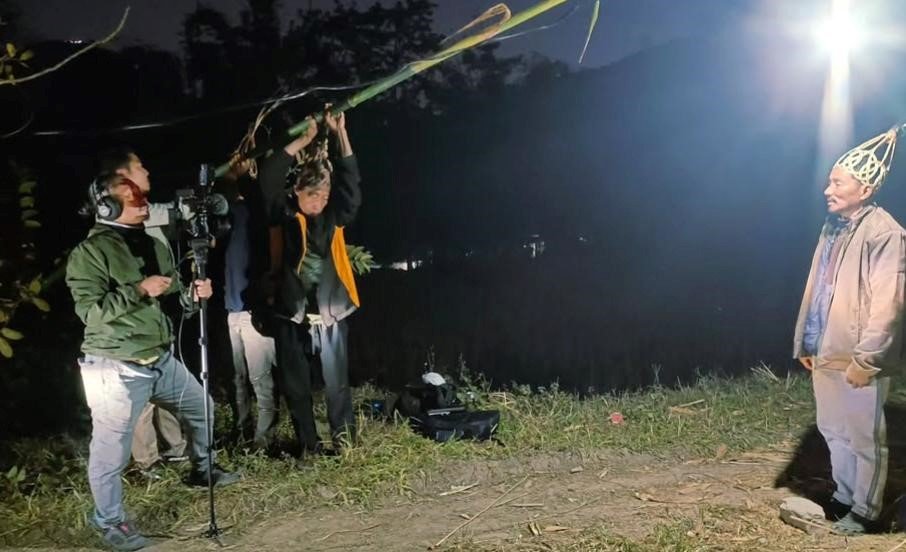
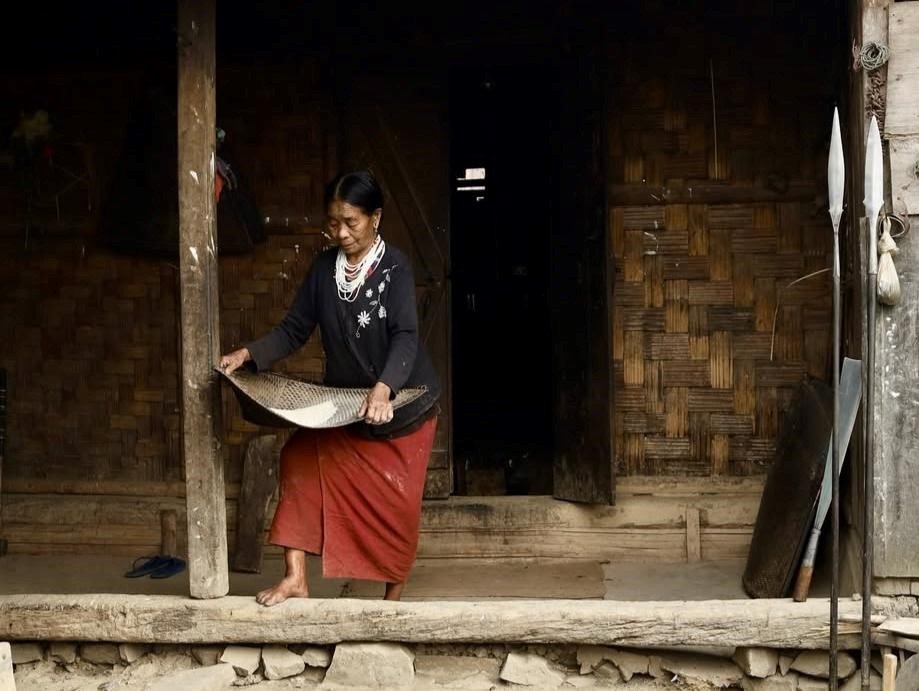
Chang’s work focuses on culture, community memory, lived experiences and voices from the grassroots. His storytelling blends journalism with visual documentation, drawing from years of field experience in documenting traditional knowledge, stories, indigenous craftsmanship and socio-cultural landscapes of Eastern Nagaland.
Besides independent projects, Moses has collaborated with Eleutheros Christian Society(ECS), Customized Energy Solutions Foundation (CESF), and North East India Water Talks (NEIWT). Through his writings and visual work he aims to preserve oral histories, highlight underreported stories and represent the evolving identity of tribal communities.
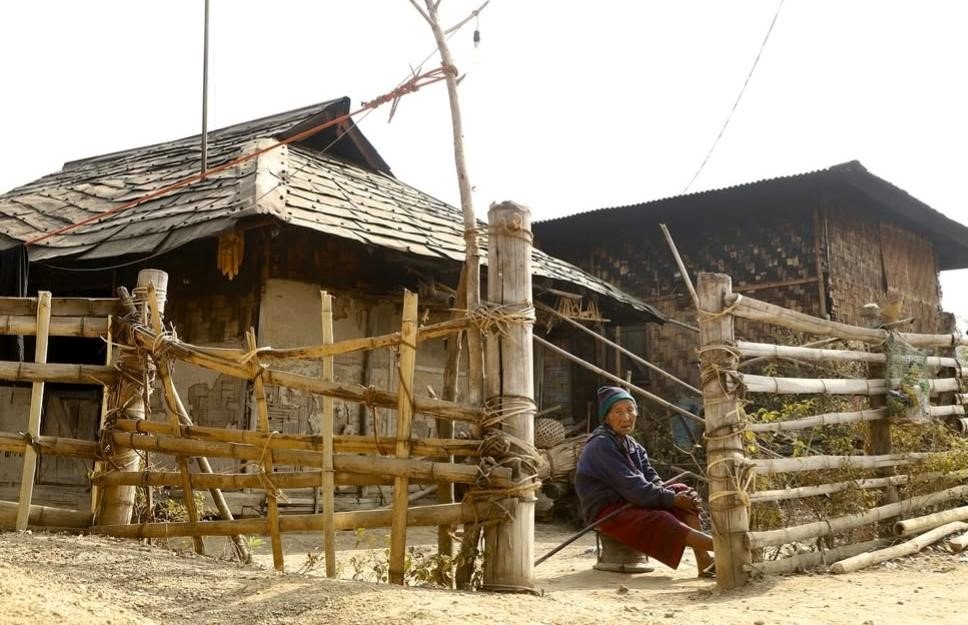
“Back then, dreams didn’t travel very far. We didn’t grow up seeing filmmakers, journalists, or creative professionals around us. So naturally, I thought my life would follow the same familiar path: study, find a stable job, don’t trouble your parents, don’t take risks,” expresses Chang.
Yet in that quiet awareness, Chang maintains that, that life shaped the way he saw people and the world, and ultimately became the foundation of everything he does today.
In an exclusive interview with Nagaland Tribune, the storyteller discusses on the shifting trajectory from the much coveted government job to that of a journalist and storyteller.
NT: What inspired you to choose a government career initially? Was it family expectations, security, or something else?
Chang: Like most of us from small towns, choosing a government job wasn’t so much a dream as it was the safest road in front of me. In our society, stability is seen almost as a duty, something you owe your parents after all their sacrifices. I wanted to lessen their worries, not add new ones. So the idea of a secure salary, a predictable life, and respect from the community felt like the responsible thing to do.
There was no big inspiration behind it. It was simply the path that seemed right at that time, familiar, steady, and acceptable. Only later did I realise that responsibility can take many forms, including choosing a life that aligns with who you truly are.
NT: When did you realise you wanted to leave and pursue storytelling?
Chang: The realisation didn’t come suddenly, it grew with me over many years. One of my earliest memories is from 1994. My father had a small photo studio and a tiny darkroom. I must have been very young, but I still remember the first time he placed a camera in my hands. He showed me how to frame a photo, how to be patient, how to see before clicking. Watching images appear slowly on photo paper in the dim light, that feeling stayed with me. But life moved on, and for many years, that memory just lived quietly inside me.
It wasn’t until 2010, when I touched a DSLR again, that something reopened. I began taking pictures of ordinary moments, and I realised the picture itself already told a story but I wanted to capture the part that couldn’t be seen. So I started keeping a journal, writing about the scenes around me, about people, about life in our region. Some of those pieces became articles in newspapers; many stayed in my notebook. But they all changed me.
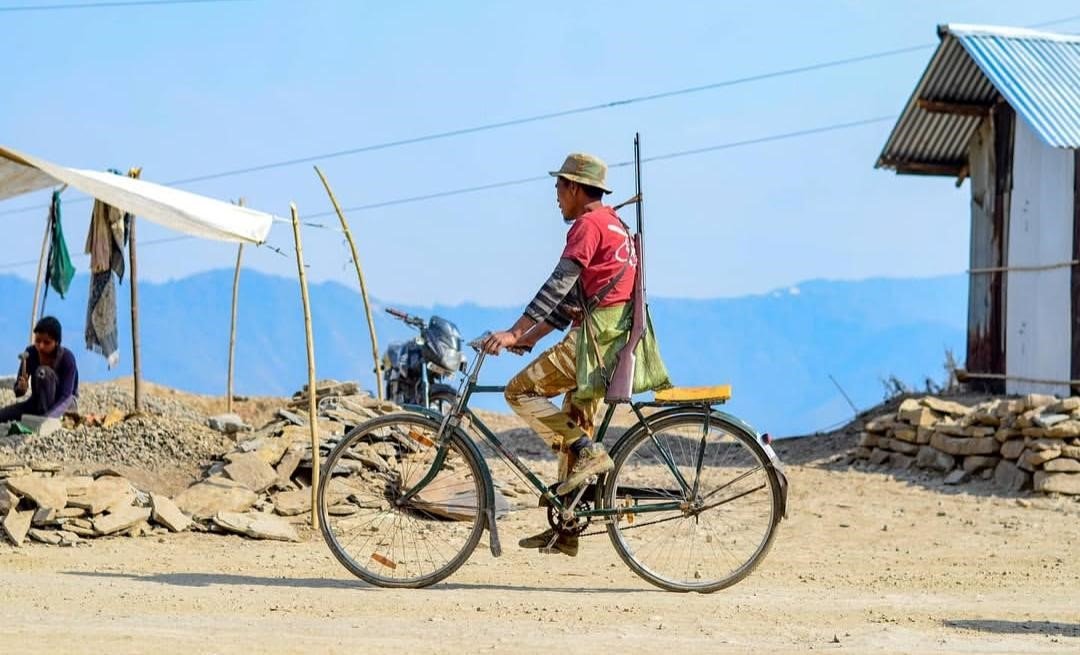
A bigger shift happened during my college days. I came home for holidays and saw my own people through a different lens, their struggles, their resilience, their silence. I realised how much of our lives went undocumented. It bothered me that if someone didn’t write about it, our stories would just disappear.
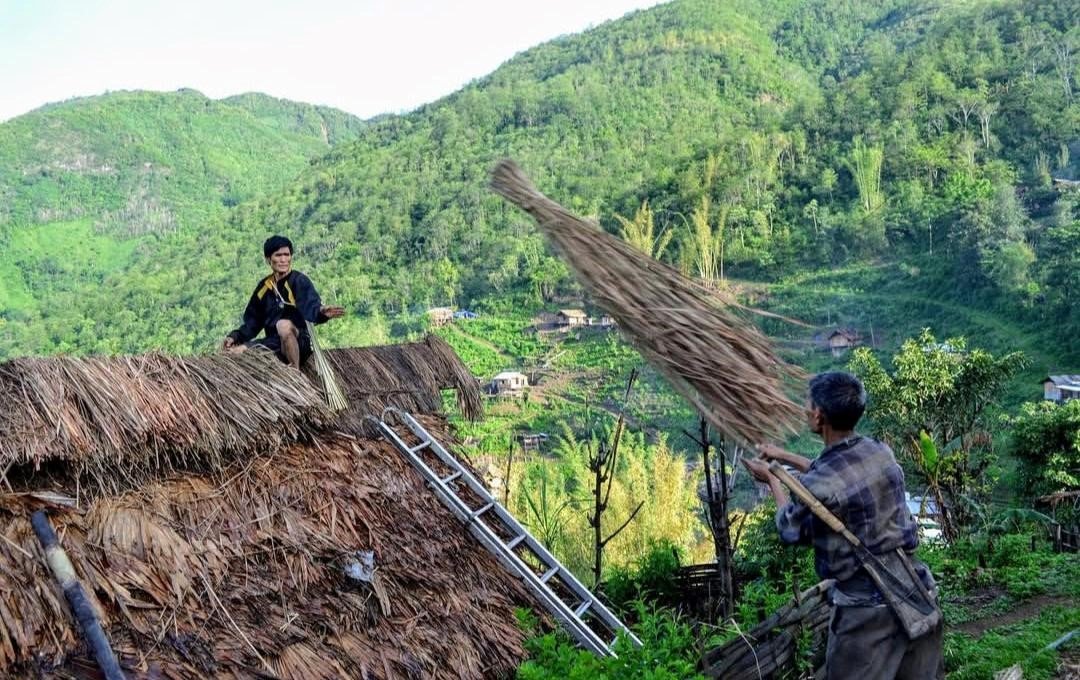
After my studies, I took up teaching jobs first in St. John’s Hr. Sec. School in Tuensang, then in Zisaji Presidency College in Kiphire and eventually I became a Graduate Teacher after clearing the exam. During those years, I travelled to villages often. Every journey deepened my conviction that someone needed to tell our stories truthfully. No one from my community had been working full-time in journalism, and that thought stayed with me almost like a responsibility I didn’t ask for but couldn’t ignore.
Then in 2020, I bought my first camera with my own money a second-hand Canon 1200D from OLX. That camera became my turning point. I took photos, wrote my thoughts, posted them online. One day, Nagaland Today noticed my posts and asked if those were my own write-ups. That opened a door I didn’t even know I was knocking on.
From there, the path unfolded, writing, documenting, slowly shifting to visual storytelling when I realised people were reading less. I even started a Facebook page sharing news in the Chang dialect, hoping young people would engage with our language through stories.
So the decision to leave the government job wasn’t one moment. It was years of small awakenings, the childhood memory of a darkroom, the journal entries, the journeys into villages, the conversations with elders whose knowledge was fading.
One day, it became clear: I couldn’t ignore the calling anymore. I was meant to tell our stories, not on the side, not as a hobby, but as my life’s work.
NT: How difficult was it to make that decision, considering the importance of government jobs in our society?
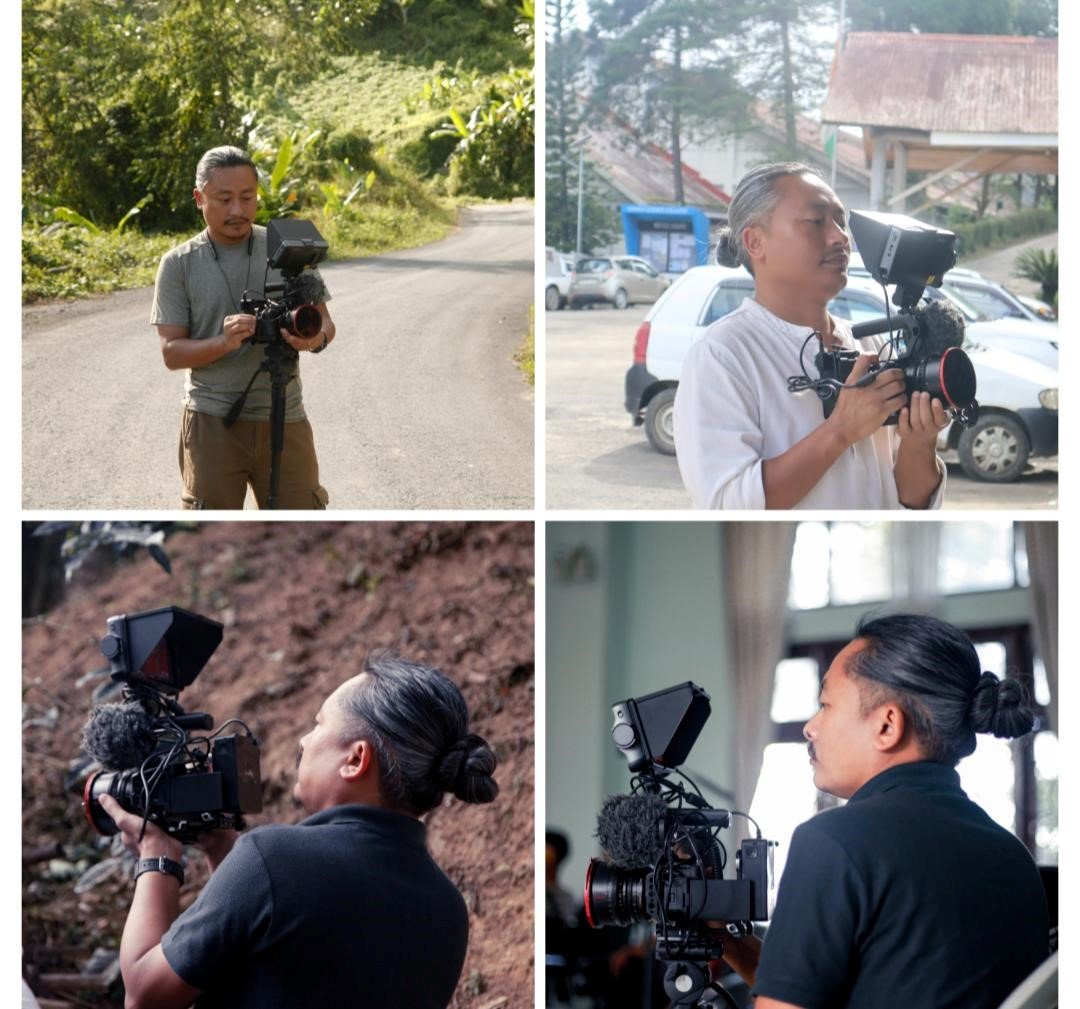
Chang : It was one of the hardest decisions I’ve ever made. Leaving a government job is not just quitting a workplace, it feels like going against an entire mind-set that values stability above everything else. I knew people would question me, and I questioned myself even more.
The fear wasn’t about failure. It was about disappointing the people who raised me with so much care and sacrifice. But the more I tried to silence the calling toward storytelling, the heavier it felt. At one point, staying became harder than leaving. That’s when I realised I had to be honest with myself. Choosing that honesty over fear was difficult, but it was necessary.
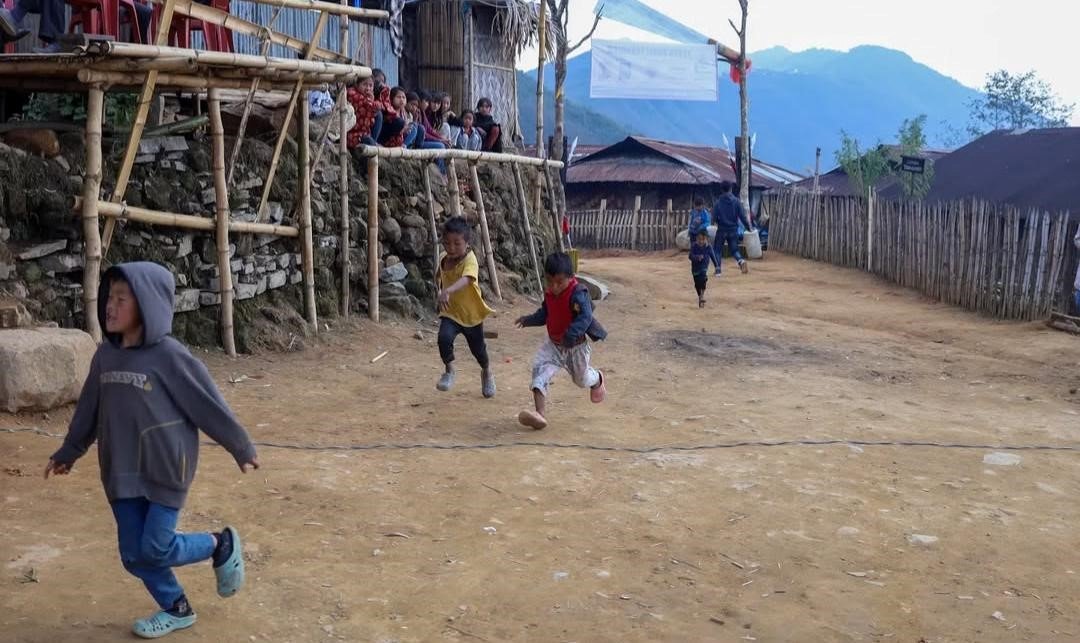
NT: What kind of reactions did you receive from your family and community when you decided to take that leap?
Chang: The reactions were mixed. My family was worried not because they didn’t believe in me, but because they understood the uncertainty of creative work. They asked questions, expressed their fears, and hoped I had thought it through. But over time, they saw how committed I was, how alive I felt doing this work. The community’s response was similar. Some people were supportive and encouraging. Others thought it was risky or impractical. But I learned something important: people eventually respect courage, even if they don’t understand it immediately.
NT: What drew you toward storytelling, journalism, or filmmaking was it something personal or a gradual discovery?
Chang: It was both. A part of it was personal from childhood, the early moments inside my father’s darkroom, the quiet fascination with images. But a big part of it was also something I discovered slowly, as I began documenting the lives around me. The more I travelled, listened, and wrote, the more I realised that stories were everywhere, waiting for someone to give them shape. I didn’t choose storytelling in one moment, it kept returning to me, again and again, until I understood that this was the work I was meant to do.
Download Nagaland Tribune app on Google Play

NT: How do you balance being both a storyteller and someone deeply connected to the subjects of your stories?
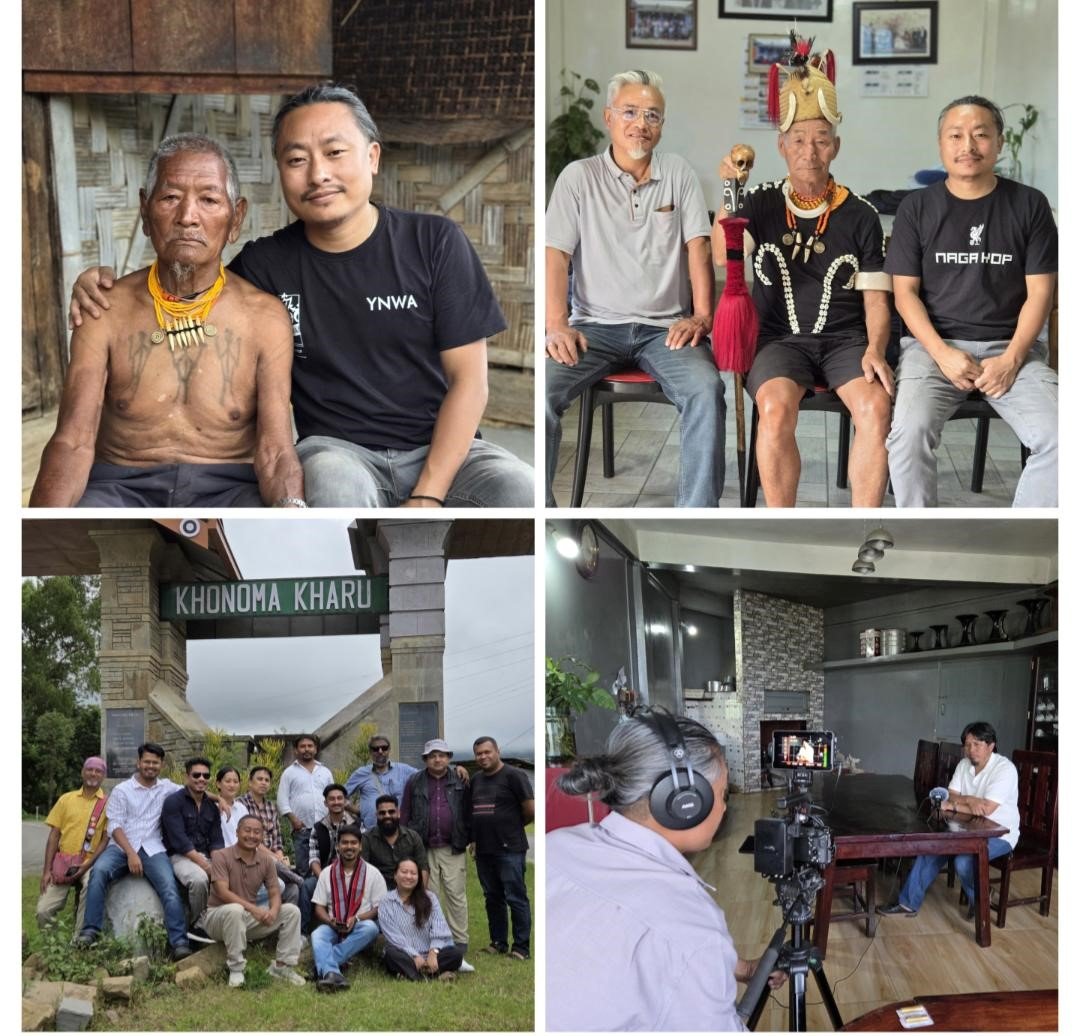
Chang: It’s a delicate balance. When you document your own people, you’re not just observing, you’re also carrying their emotions, their fears, their pride. I try to approach every story with humility, remembering that I’m not above them or outside them. I’m simply someone who is fortunate enough to listen and translate their experiences into a form the world can understand.
The connection helps me stay truthful. But I also remind myself that the story is not about me, it’s about them. That clarity keeps the balance intact”.
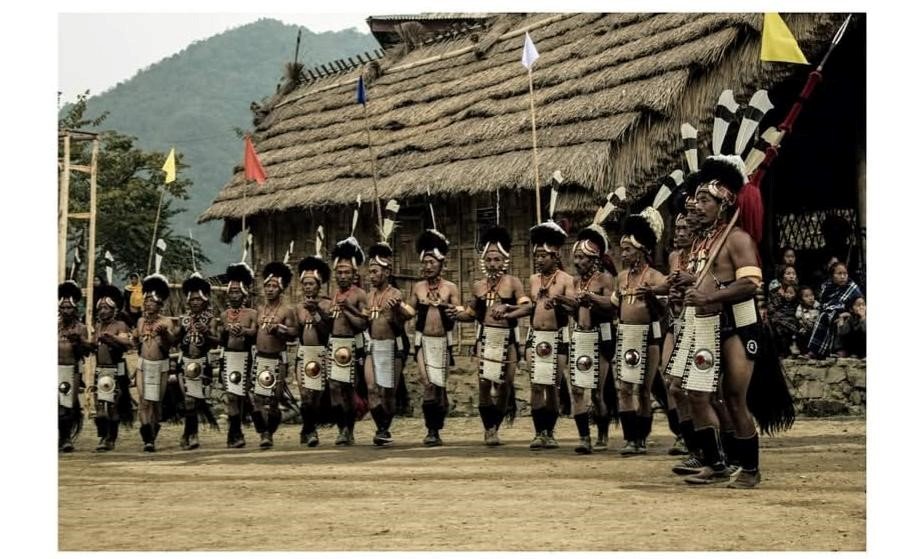
NT: Pursuing a creative career often comes with financial certainty. How do you balance supporting your family and following your passion?
Chang: It’s not easy. There are days when work is slow, or when resources fall short, and I feel the weight of responsibility very strongly. But I’ve learned to plan carefully, stay disciplined, and take up projects that sustain both my livelihood and my creativity. I remind myself that passion alone is not enough; it has to be backed by hard work, consistency, and smart choices. What keeps me steady is knowing that my family believes in what I’m doing, even if they still worry sometimes.
NT: Has your creative work changed how your family or community sees journalism and filmmaking as a career?
Chang: Yes, I think it has. People who once saw journalism as unstable now understand the value of documentation and storytelling, especially for communities like ours. When they see our stories reaching larger audiences or preserving cultural knowledge, they begin to see this work differently not as a hobby, but as something important.
NT: What lessons about courage, persistence, or responsibility do you hope your journey teaches young people in the region?
Chang: I hope they understand that courage is not always loud. Sometimes it’s the quiet decision to follow a path that no one around you understands yet. Persistence doesn’t mean never failing, it means showing up again after you do.
And responsibility is not limited to choosing stable jobs. It can also mean being honest with your calling, doing meaningful work, and contributing to your community in your own way.
NT: What have been the biggest challenges in transitioning from a structured government role to a creative, independent one?
Chang: The biggest challenge was unlearning the mindset of certainty. In a structured job, everything is laid out for you, timings, tasks, expectations. In independent work, you create everything from scratch. There’s freedom, but there’s also unpredictability. Another challenge was accepting that not everyone would understand my choice. It took time to build confidence in my own direction.
NT: Looking back, what have you gained that a secure job could never have offered?
Chang: Freedom. Not just in the practical sense, but freedom to be myself, to explore, to create, to listen deeply. And purpose, a feeling that my work holds meaning beyond a monthly salary.
I’ve gained the chance to connect with people, document lives, and preserve stories that might have been lost. No secure job could have offered me that.
NT: What advice would you give to others from small towns or villages who dream of working in media or art but fear instability?
Chang : Start small, but start honestly. You don’t have to jump into the unknown immediately. Build your skills, nurture your curiosity, and let your work speak for you. Fear will always be there, but fear doesn’t have to make your decisions for you.
And remember: you don’t have to come from a big city to do meaningful creative work. Your roots are your strength.
NT: How important is storytelling in preserving Indigenous cultures and local histories?
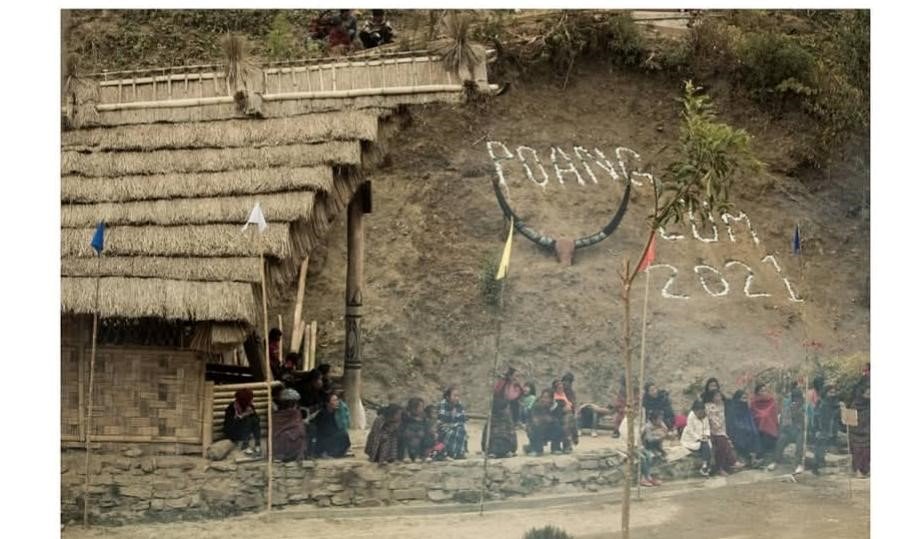
Chang: It’s essential. Without storytelling, cultures fade quietly. Many of our traditions, belief systems, and histories survive only because someone preserved them through memory, through words, through images. Storytelling becomes a bridge between the past and the future. It reminds us who we are, and it gives the next generation something to hold on to.
