The Union Health Ministry has directed all states and Union Territories to strengthen surveillance, hospital preparedness and screening of international travellers following the declaration of the Ebola outbreak in the Democratic Republic of the Congo and Uganda as a Public Health Emergency of International Concern (PHEIC) by the World Health Organization.
In a letter issued on May 21 to chief secretaries and administrators of Union Territories, Union Health Secretary Punya Salila Srivastava said countries bordering the affected regions, including South Sudan, have been assessed to be at high risk of disease transmission.
The Ministry noted that although the current risk to countries outside the affected African region remains low, the large volume of international travel and trade necessitates robust preparedness measures across all levels of the healthcare system.
States and UTs have been instructed to intensify surveillance under the Integrated Disease Surveillance Programme (IDSP) for unusual clusters of cases exhibiting symptoms associated with Ebola, particularly among individuals with recent travel history to affected countries.
The symptoms highlighted in the advisory include fever, weakness, muscle pain, headache, sore throat, vomiting, diarrhoea, abdominal pain, skin rash and red eyes.
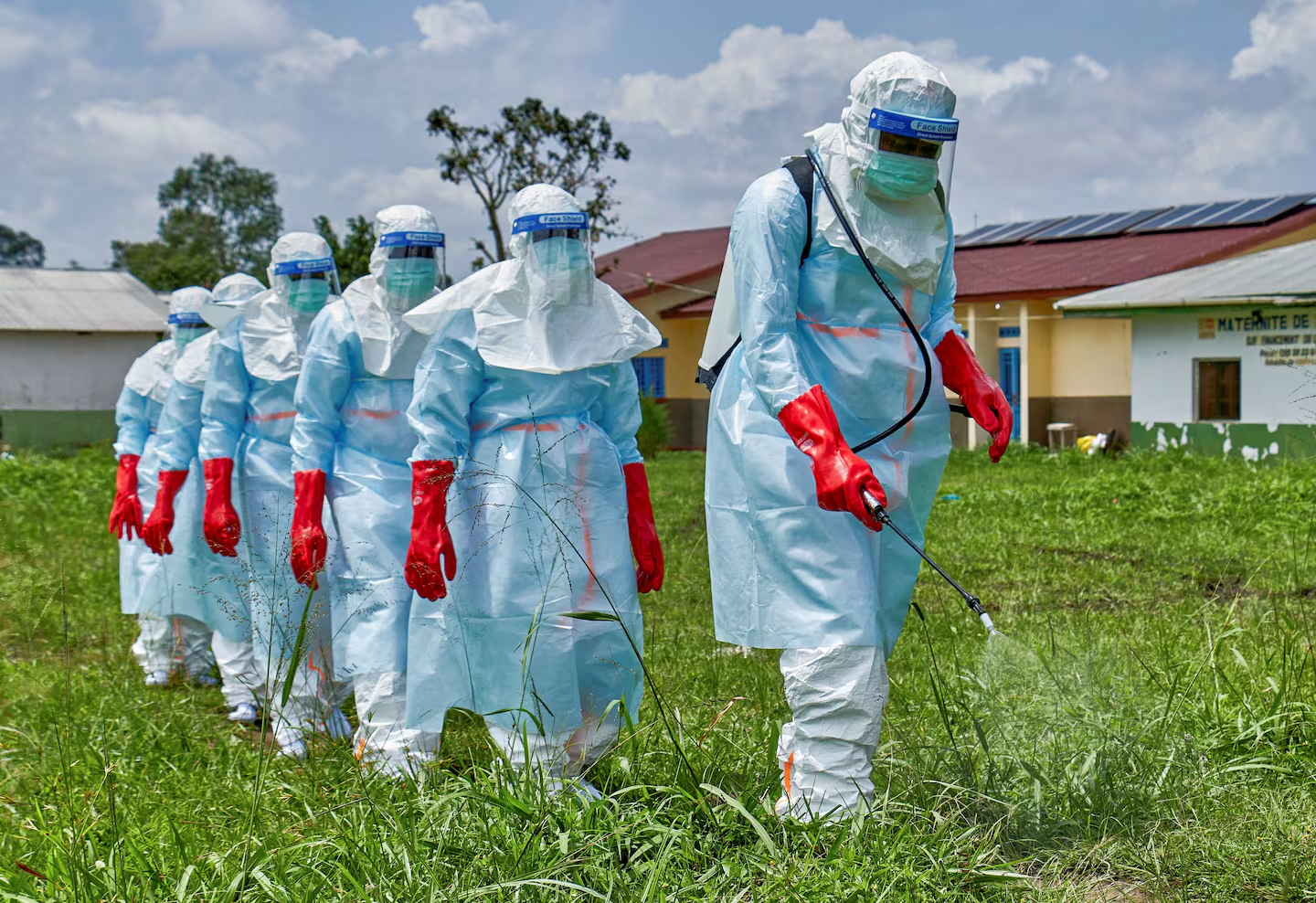
The Ministry has also asked states to identify dedicated isolation facilities and ambulances, while ensuring the availability of trained healthcare personnel, personal protective equipment (PPE), logistics support, laboratory facilities and critical care infrastructure.
Nagaland Tribune app on Google Play


According to the advisory, National Institute of Virology (NIV) under the Indian Council of Medical Research (ICMR) is fully equipped to test samples of suspected Ebola cases detected either at entry points or within communities. Additional ICMR laboratories may also be strengthened depending on the evolving situation.
The Ministry further stressed the need for close coordination between airport and port health authorities, district surveillance units and other concerned agencies to ensure timely information sharing and follow-up monitoring of travellers.
As per the Standard Operating Procedure (SOP) attached to the advisory, passengers arriving from affected countries will undergo thermal screening and health monitoring. Travellers showing Ebola-like symptoms will be shifted to designated isolation centres for testing and treatment.
The SOP also mandates a 21-day monitoring period for travellers arriving from affected regions and outlines protocols for quarantine, infection prevention, laboratory testing, contact tracing and clinical management.
The Health Secretary urged all states and UTs to immediately review their preparedness plans and ensure mechanisms are in place for early detection and rapid response to any potential public health emergency.