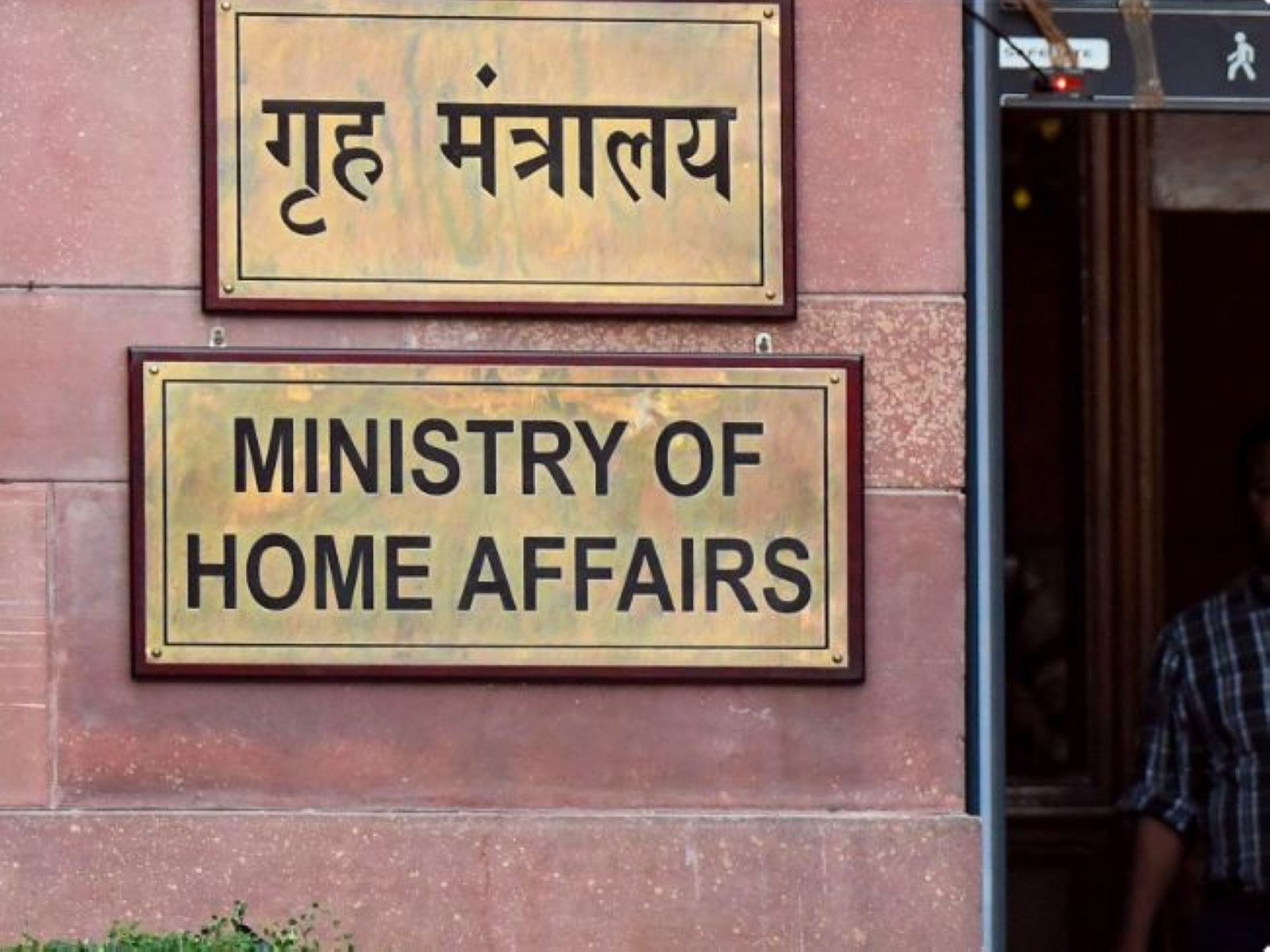
The Ministry of Home Affairs (MHA) has directed all States and Union Territories (UTs) to intensify efforts to prevent and combat human trafficking by making full use of the three new criminal laws, digital technology and specialised anti-trafficking mechanisms.
In a five-page advisory issued on August 28 by the MHA’s Women Safety Division, Chief Secretaries and Directors General of Police (DGPs) of all States and UTs were asked to ensure maximum and effective implementation of the Bharatiya Nyaya Sanhita (BNS), 2023, Bharatiya Nagarik Suraksha Sanhita (BNSS), 2023 and Bharatiya Sakshya Adhiniyam (BSA), 2023.
The Ministry said preventing and combating human trafficking was an important priority of the Central Government, but stressed that the success of the new legal and digital framework depended largely on decisive leadership, ownership and enforcement by States and UTs.
Target trafficking networks and ‘kingpins’
The MHA called for greater use of Section 111 of the BNS, which deals with organised crime, to target trafficking networks rather than restricting investigations to low-level perpetrators.
It said trafficking was rarely an isolated offence and was typically carried out by organised syndicates. Investigating officers were therefore directed to identify and dismantle entire networks, including their financiers and “kingpins”, while using the law to seize assets linked to criminal activities.
The Ministry also stressed strict application of Sections 143 and 144 of the BNS in trafficking cases, particularly those involving minors or multiple victims, and said prosecutors should seek the highest applicable penalties, including life imprisonment.
Digital evidence to play key role
The advisory places strong emphasis on technology and digital evidence in trafficking investigations. Police and investigating agencies have been advised to secure encrypted communications, financial transactions, geolocation data and other electronic trails.
The MHA highlighted Section 57 of the BSA, under which electronic records are treated as primary evidence subject to prescribed conditions.
It also directed that searches and seizures in trafficking cases be recorded through audio-video electronic means under Section 105 of the BNSS, describing the provision as a safeguard for the integrity of evidence.
The Ministry further stressed forensic evidence collection under Section 176(3) of the BNSS and the use of technology to protect victims from repeated trauma during investigation and prosecution.
Under Sections 180 and 183 of the BNSS, the advisory highlighted provisions for audio-video recording of statements of sexual-offence victims, including recording by women police officers and women Judicial Magistrates, thereby reducing repeated appearances by victims and limiting opportunities for intimidation by traffickers.
Download Nagaland Tribune app on Google Play


Strengthen anti-trafficking units
The MHA said financial assistance had been provided through the Nirbhaya Fund to strengthen the physical infrastructure of Anti-Human Trafficking Units (AHTUs).
However, it stressed that infrastructure alone would not ensure results and asked States and UTs to ensure that every AHTU was properly staffed, specialised and actively involved in field operations.
The Ministry said AHTUs should move beyond a “paper-based existence” and function as specialised task forces integrated into regular policing.
It also called for formal coordination among AHTUs and departments dealing with labour, social welfare and other vulnerable sectors to tackle trafficking in industries such as brick kilns, textiles and domestic work.
Focus on labour trafficking and vulnerable groups
The advisory called for stronger identification mechanisms covering all genders and sectors vulnerable to exploitation. It specifically highlighted under-reported labour trafficking in brick kilns, stone quarries and unregulated manufacturing.
States were advised to conduct regular and unannounced inspections of high-risk industries and train police and labour officials to identify victims, including men and boys who may be overlooked in conventional trafficking investigations.
The MHA also recommended the appointment of specialised Public Prosecutors for Trafficking in Persons cases and urged coordination with High Courts so that trafficking trials could be prioritised before Special Courts.
Real-time intelligence and interstate coordination
The Ministry called for data-driven and risk-based interventions, proactive cyber surveillance, digital vigilance and real-time identification of trafficking networks.
It urged States to use the Crime Multi-Agency Centre (Cri-MAC) platform for sharing alerts about known traffickers moving across State borders and encouraged the formation of Joint Investigation Teams (JITs) for complex interstate cases.
Such teams, it said, could facilitate the sharing of evidence, intelligence and resources across jurisdictions.
Warning over overseas recruitment scams
The MHA also flagged the growing threat of “overseas recruitment scams”, in which victims are lured with promises of high-paying jobs and subsequently trapped in cyber-fraud centres.
State Cyber Cells have been advised to maintain constant vigilance over social media platforms and job portals to identify suspicious recruitment offers and take preventive action.
The Ministry said the fight against human trafficking was a key measure of administrative effectiveness and constitutional responsibility, emphasising that the Union Government could provide the legal framework, technology and financial support, but the actual impact would depend on field-level implementation by States and UTs.
It directed that the advisory be disseminated to all field-level officers, including personnel at police stations, and that officers be adequately briefed on the new legal provisions and technological tools.
The MHA also said it would continue supporting States and UTs financially for awareness and sensitisation programmes, State-level conferences and judicial colloquiums to strengthen implementation of the anti-trafficking framework.
(with inputs from ANI)
