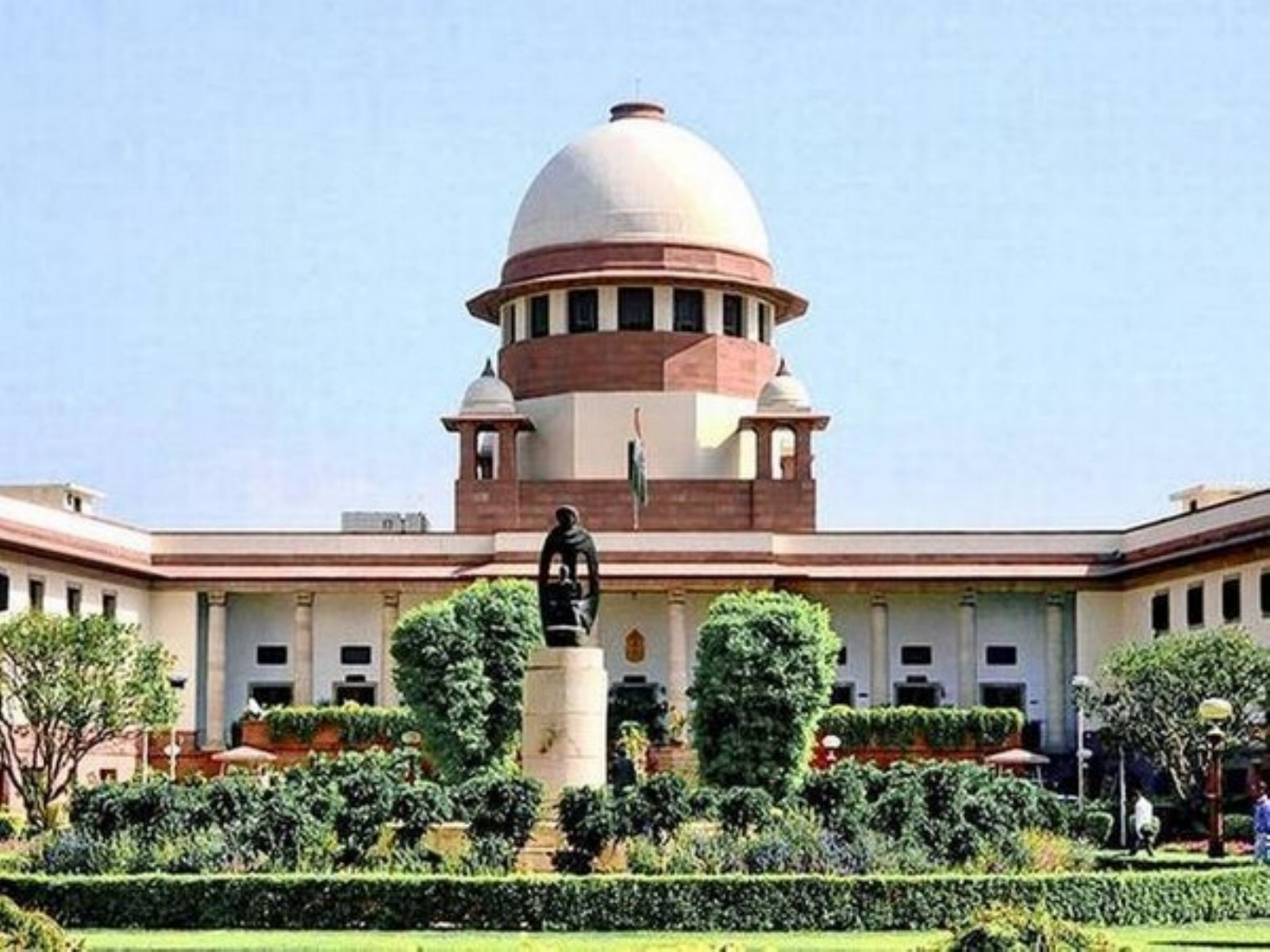
A plea has been filed in the Supreme Court seeking prosecution of Chief Election Commissioner (CEC) Gyanesh Kumar over alleged unilateral decision-making in the Election Commission of India (ECI), including changes to Form 6, centralisation of electoral-roll data through ECINet and actions allegedly resulting in the exclusion of eligible voters.
The plea also names Senior Deputy Election Commissioner Maneesh Garg, DG-IT Seema Khanna and other officials, alleging breaches of official duty.
According to ANI report, the petitioner has relied on an Indian Express report published on September 23, which, according to the plea, cited documentary records showing that Election Commissioners, Sukhbir Singh Sandhu and Vivek Joshi had recorded written dissents and objections at least 14 times between November 2025 and August 2026.
The petitioner further claims that the records showed no full-Commission meeting was held for more than four months and that certain orders were issued unilaterally.
One of the principal allegations concerns Form 6, used for inclusion of names in electoral rolls. The plea alleges that the form was modified on the ECINet portal in July 2026 to make disclosure of “last SIR” details mandatory for first-time voters.
According to the plea, the two Election Commissioners had recorded that the statutory form could not be amended without a formal amendment to the Registration of Electors Rules, 1960.
“Defying this binding majority, Respondent No. 3, acting in concert with Respondent No. 6 (DG-IT), altered Form 6 digitally on the ECINet portal in July 2026,” the plea states.
It further claims that Commissioner Sandhu subsequently described the change as “unauthorised and illegal” and directed its withdrawal.
The petitioner has also alleged that ECINet centralised control over electoral-roll data in New Delhi, thereby restricting field-level Electoral Registration Officers (EROs) from accessing or modifying data. The plea says an external audit by IIT experts proposed by Commissioner Joshi was not acted upon.
Download Nagaland Tribune app on Google Play


Another allegation relates to 97 electors in Goa who, according to the plea, had been found eligible for inclusion in the electoral rolls but could not be restored because ECINet did not have a “rollback/reversal” facility. The petitioner claims that the Goa Chief Electoral Officer’s office sent eight communications seeking activation of the facility, but the software was not rectified.
In West Bengal, the plea alleges that 16.10 lakh appeals were filed in the name of the ECI against electors whose inclusion had been restored by judicial officers during the Special Intensive Revision (SIR) exercise. It further claims that the two other Election Commissioners and the West Bengal CEO had no knowledge of or authorisation for the appeals.
The petitioner has alleged that the appeals amounted to an attempt to disenfranchise voters whose names had been restored through the judicial process.
The plea also refers to an order issued by Maneesh Garg on July 28 altering oversight of the IT division. It claims that Commissioners Sandhu and Joshi approached the Cabinet Secretary, describing the move as a “clear violation of Section 18”, before jointly setting aside the order.
Relying on Section 18(2) of the 2023 Act, the petitioner argues that where Election Commissioners differ, the majority opinion must prevail. The plea alleges that the Form 6 modifications and centralisation of IT systems were undertaken despite a 2:1 position recorded by the other two Commissioners.
The petitioner has sought directions to the competent statutory authority to register complaints and initiate prosecution under Section 32 of the Representation of the People Act against Gyanesh Kumar, Maneesh Garg, Seema Khanna and other officials found guilty of deliberate breach of official duty.
The plea states: “Issue appropriate directions to the competent statutory authority to register complaints and initiate prosecution under Section 32 of the Representation of the People Act, 1950 against Respondents No. 3, 5, 6 and all other officers found guilty of deliberate breach of official duty.”
It also seeks quashing of the Form 6 modifications and the 16.10 lakh West Bengal appeals, restoration of decentralised ECINet and ERONet access for EROs, preservation of the digital audit trail, and restoration of the 97 Goa electors and other similarly placed voters.
The petitioner has further sought an independent Judicial Inquiry Commission or SIT headed by a retired Supreme Court judge, assisted by cybersecurity and IT experts from IITs, to conduct a forensic and administrative audit of ECINet and ERONet.
The proposed inquiry, according to the plea, should also investigate the circumstances in which the petitioner alleges that “13 crore names were deleted across 30 States/UTs during the SIR” and identify those responsible for the 16.10 lakh appeals and alleged manipulation of work allocation.
The Election Commission, responding to the Indian Express report on September 23, said that all orders issued by the Commission carry full legal sanction and that queries raised by members during the drafting of procedures were part of standard institutional practice.
“The ECI is a constitutional body that functions under the strict mandate of Article 324 of the Constitution, statutory rules and established institutional conventions,” it said.
The Commission said it functions as a multi-member constitutional body and that “written notes, observations, technical suggestions and internal checks-and-balances are standard, ongoing practices designed to ensure complete transparency, legal compliance and operational rigour.”
“All actions of ECI have been in accordance with laws and instructions of the Commission,” it said, adding that all official orders, decisions and administrative directions issued by the Commission carry full legal sanction and follow established statutory procedures.