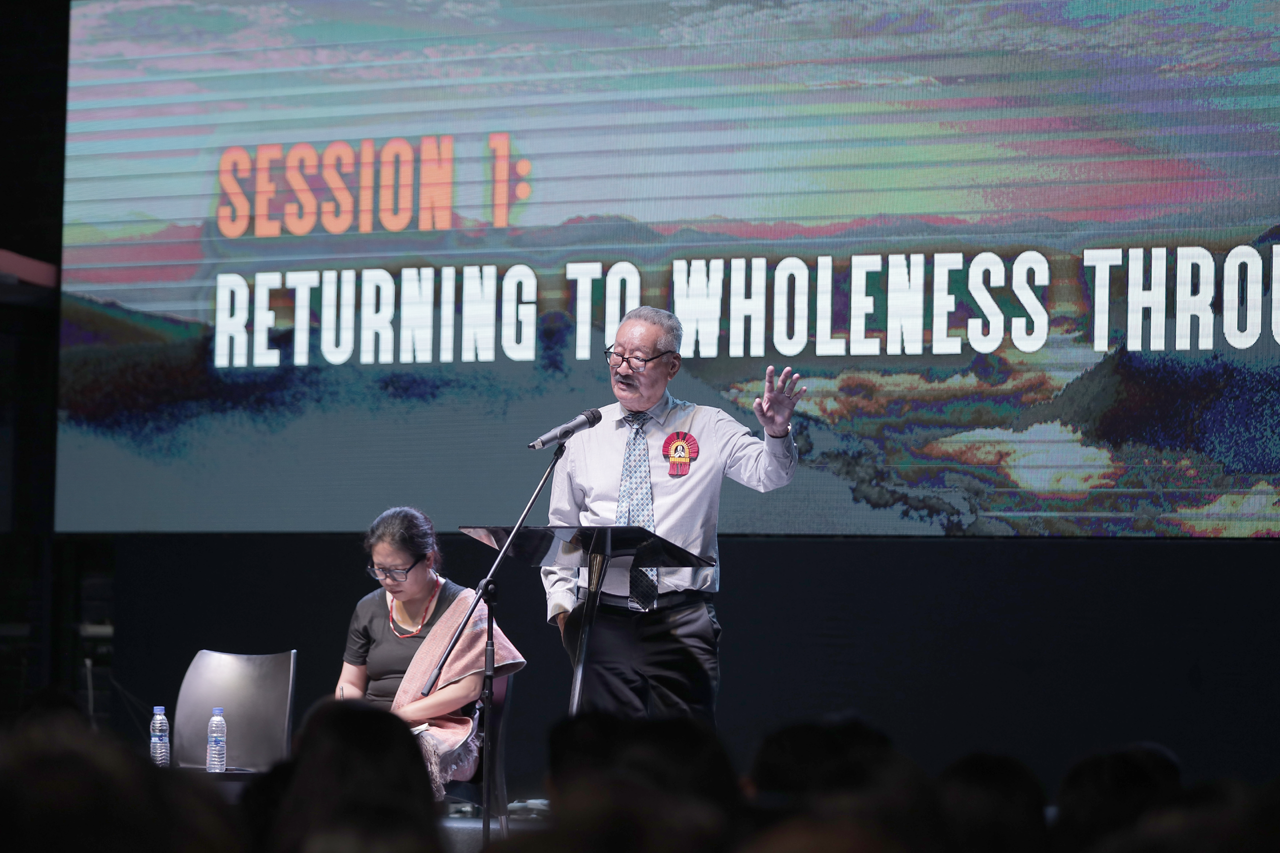
Convenor of the Forum for Naga Reconciliation (FNR), Rev Dr Wati Aier has called upon the Naga people to view the return of ancestral remains from Oxford’s Pitt Rivers Museum not merely as an administrative process, but as a transformative opportunity for collective restoration, reconciliation and healing.
Delivering the keynote address at the inaugural session of the September Dialogue at The Lighthouse Church, Dimapur, on Saturday, Dr Aier said the repatriation initiative directly confronts more than a century of colonial violence, militarisation and forced cultural fragmentation.
He described the loss of ancestral remains as part of a wider pattern of colonial erasure in which human beings were reduced to “exotic objects” and displayed in foreign museums. Drawing on research into Indigenous trauma, including the work of Naga scholar Dolly Kikon and Lakota Sioux researcher Maria Yellow Horse Brave Heart, Dr Aier emphasised that trauma within tribal communities is collective and intergenerational.
“Trauma in tribal contexts is collective and intergenerational because it is borne by entire communities,” Dr Aier said, adding, “Children inherit not only stories of violence, but also patterns of mistrust, fear, and fractured identity.”
Aier said reclaiming the ancestors could help shift the Naga narrative from one of passive victimhood to one of self-determination. He called for the development of a “redemptive memory”—remembering historical wounds in a manner that heals and unites rather than allowing them to poison the future.
He cautioned against allowing unresolved historical wounds to become sources of bitterness. He noted that harbouring historical trauma fuels inter-tribal suspicion and factional fragmentation. Instead, he urged Nagas to acknowledge historical pain truthfully and united the tribes around shared aspirations.
Aier also called for a transition from being victims of history to becoming storytellers of their own past. Through the efforts of the FNR and RRaD team, he said, ancestors who had left Naga lands as colonial exhibits could return as revered elders and be laid to rest with dignity, thereby bringing a different conclusion to a painful colonial narrative.
He further described the repatriation process as an opportunity for spiritual release, allowing the Naga people to honour their history without remaining permanently bound by resentment. Such healing, he said, could create space for structured inter-tribal communication and contribute to long-term peace.
Download Nagaland Tribune app on Google Play


Call for civic, theological and political unity
Describing repatriation as a “sacrament of belonging” and a public theological responsibility, Dr Aier urged all sections of Naga society to embrace a shared vision of shalom—not simply the absence of conflict, but the presence of justice, reconciliation and human flourishing.
He called upon major ecclesiastical bodies, including the Nagaland Baptist Church Council (NBCC), Nagaland Christian Revival Church (NCRC) and the Catholic Church, to lead prayer vigils centred on forgiveness.
At the same time, he urged political groups, tribal Hohos, youth and the Naga diaspora to establish a covenant of mutual respect around the returning remains, stressing that historical grudges should not be passed on as an inheritance to future generations.
The September Dialogue forms part of the FNR-RRaD’s interdisciplinary and intergenerational learning journey aimed at deepening the discourse on repatriation, trauma healing, reconciliation and decolonisation.
The first annual September Dialogue was organised by the FNR and RRaD in 2024 as a platform for collaborative discussions to advance the Naga repatriation journey. The second edition focused on reflections from the Naga delegation’s visit to the Pitt Rivers Museum at the University of Oxford.