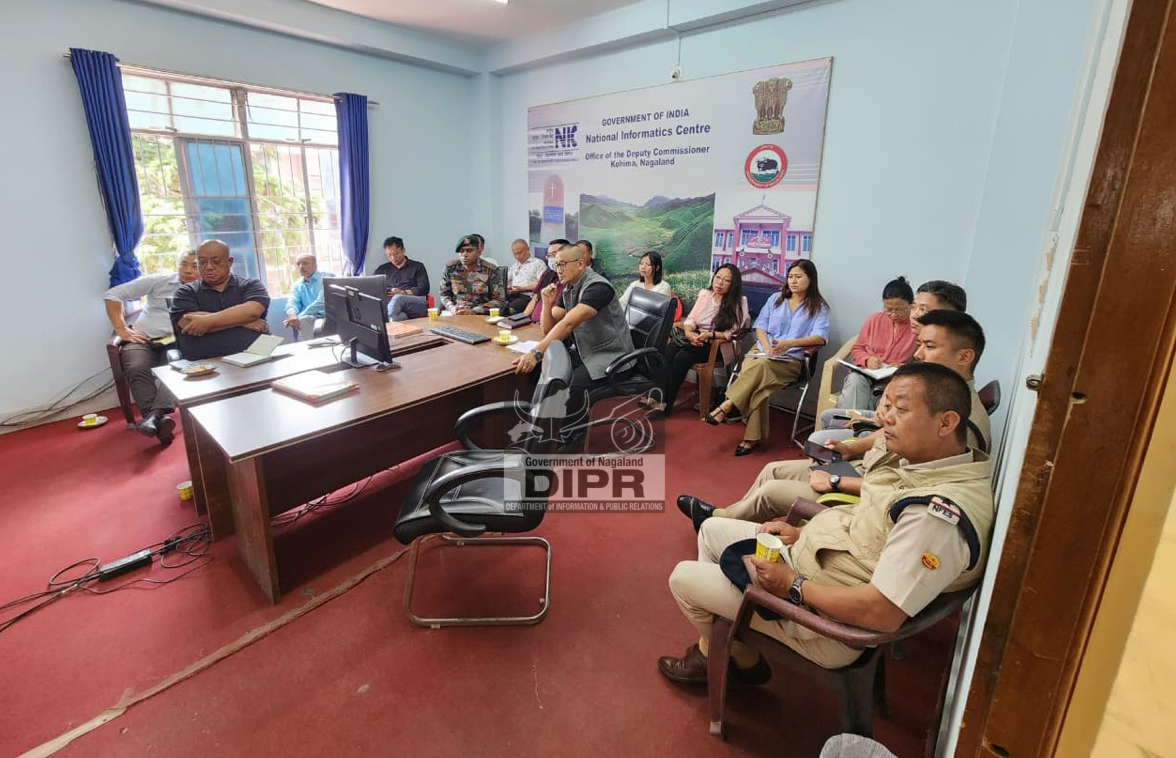
In preparation for the upcoming state-level mock exercise under the Nagaland Emergency Preparedness Exercise (NEPEx) 8th Edition, a virtual capacity-building programme was conducted on April 22 at DC’s office, Kohima.
Deputy Commissioner and Chairman, DDMA Kohima, B Henok Buchem, along with Superintendent of Police, Krodi Rhetso and officials from various departments, including Police, Medical, Municipal, and emergency services, participated in the state-level video conference from the DC Office in Kohima.
The mock exercise, scheduled for April 30, will simulate a powerful 7.7 magnitude earthquake, with widespread impact across the state. The scenario will test emergency response systems against large-scale infrastructure damage, fire outbreaks, and landslides.
The drill would also include simulated damage to critical installations such as fuel and gas storage facilities, requiring coordinated fire and rescue operations. Hospitals would be placed on alert to manage a potential surge in casualties, while relief camps, staging areas, and Incident Response System (IRS) mechanisms will be activated.
The State Emergency Operations Centre (SEOC) and District Emergency Operations Centres (DEOCs) would oversee coordination, including the establishment of Incident Command Posts. The possibility of aftershocks will also be factored into the exercise.
Dimapur:
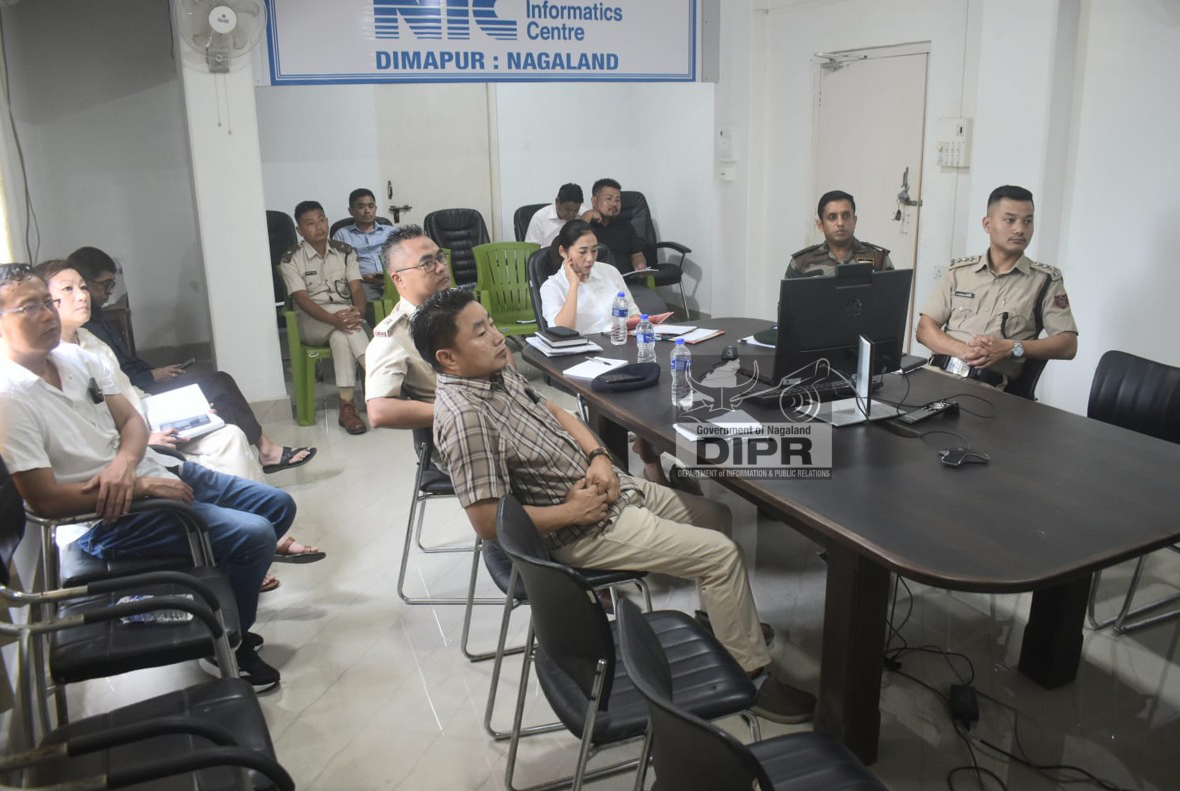
Virtual capacity building programme was conducted on April 22 at the Video Conference Hall of the National Informatics Centre (NIC), Deputy Commissioner’s Office, Dimapur, as part of preparations for the upcoming 8th edition of the Nagaland Emergency Preparedness Exercise (NEPEx) 2026.
The programme was organized in pursuance of directives issued by the Nagaland State Disaster Management Authority (NSDMA), Home Department, Kohima. NEPEx 2026 is scheduled to be held on April 30, across the state to strengthen disaster response mechanisms and inter-agency coordination.
The session was chaired by Major General (Retd.), Sudhir Bahl, Consultant of National Disaster Management Authority (NDMA). He also delivered a comprehensive presentation on the roles and responsibilities of various line departments during disaster situations, and emphasized the importance of preparedness, coordination, and timely response, particularly in the context of earthquake scenarios.
Highlighting key aspects of disaster readiness, Bahl elaborated on standard operating procedures, communication strategies, and the need for effective collaboration among departments.
He also underscored the significance of integrating technology into disaster management, including the use of the Google Android Earthquake Alert System for early warning and rapid dissemination of information.
As part of the exercise scenario for NEPEx 2026, the programme witnessed participation from officials of various line departments, who engaged in discussions on preparedness measures and response strategies to be adopted during the mock exercise.
The session concluded on a positive note with remarks from Additional Deputy Commissioner (ADC), Dimapur, Dr Diana Patton, who expressed appreciation for the informative session and urged all departments to actively participate and remain fully prepared for the upcoming NEPEx exercise.
The capacity building initiative is expected to enhance the overall preparedness and response capabilities of the district administration and allied departments in handling disaster situations effectively.
Chumoukedima:
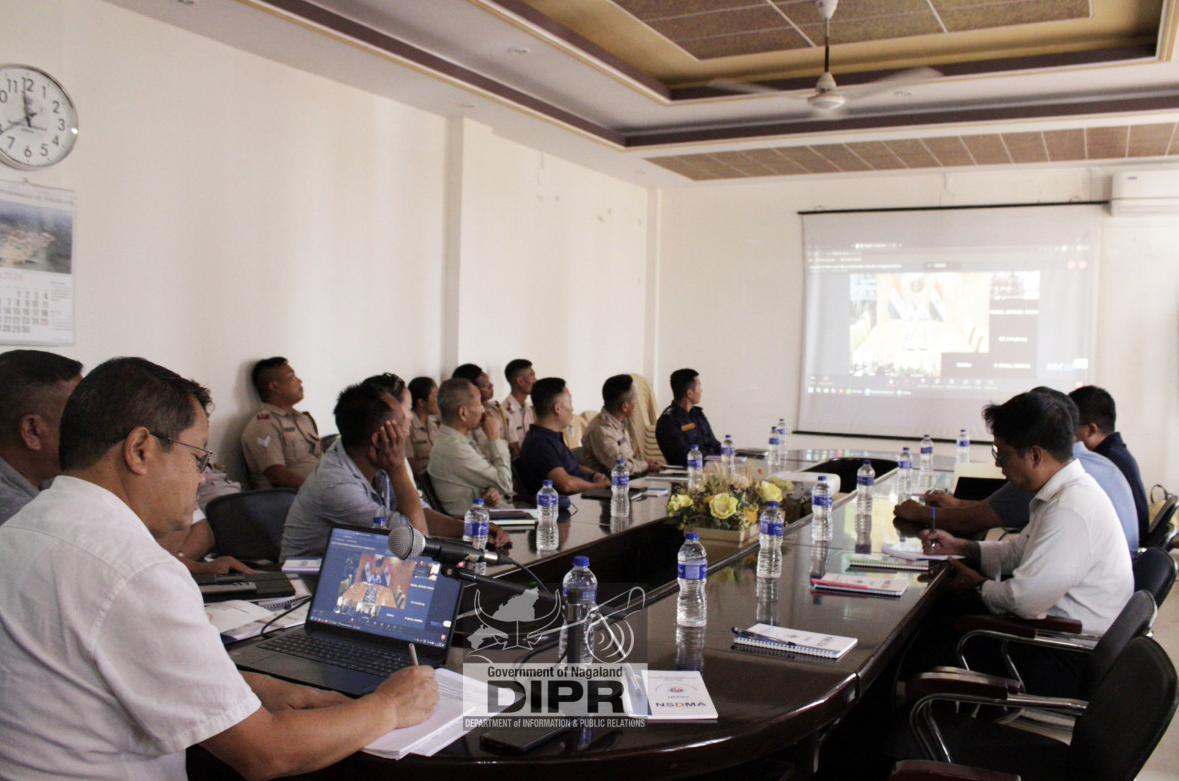
A state-level coordinating conference on earthquake disaster preparedness was held at the DC Conference Hall, Chumoukedima on April 22 through video conferencing under the aegis of the National Disaster Management Authority (NDMA). The meeting was conducted as part of preparations for the upcoming mock exercise (ME) in Nagaland.
Deputy Commissioner Chumoukedima, Polan John, NCS, informed that the district will conduct a Tabletop Exercise (TTEx) on April 29, followed by a full-scale mock drill on April 30. He urged all departments to actively participate in the tabletop exercise to ensure proper coordination and clarity of roles and responsibilities. The full-scale mock drill, he said, will test the preparedness and response capabilities of various agencies on the ground.
Download Nagaland Tribune app on Google Play


Emphasizing the importance of collective responsibility, the DC stated that disaster response is not limited to first responders such as Police and Fire & Emergency Services, but involves all departments under the Incident Response System (IRS). He noted that each department contributes through manpower, technical expertise, and available resources.
Engineering and line departments provide machinery such as excavators, loaders, and dumpers for rescue operations, while the Transport Department facilitates mobilization of vehicles. Health institutions, including PHCs will play a crucial role in providing emergency medical response.
He further pointed out that even departments not directly linked to emergency response are involved through coordination and logistical support. In view of limited district-level presence of certain departments, he stressed the need for strong inter-departmental coordination to ensure effective response during emergencies.
The video conference focused on streamlining coordination among state and district authorities. Key agenda points included a recap of the Incident Response System (IRS), an overview of the programme framework, and preparatory actions required for the mock exercise. Officials were also briefed on the modalities for conducting both the TTEx and the full-scale mock exercise, along with coordination measures at various levels. A summary of simulations planned at designated sites was presented to enhance clarity and readiness among participating agencies.
Referring to a recent tremor experienced in the region, the DC cautioned that the simulated earthquake scenario would be of much higher magnitude and significantly more destructive, with intensity increasing exponentially. He warned that such a situation could damage critical infrastructure, including communication networks, necessitating the use of alternative systems such as wireless communication. He also emphasized the need for coordination with key installations, including airports and other major agencies.
The National Disaster Management Authority emphasized proactive planning and directed all states, Deputy Commissioners, and concerned departments to undertake necessary preparatory measures. Nodal officers were instructed to brief stakeholders within their respective jurisdictions to ensure smooth execution of the exercise.
The importance of media awareness initiatives to inform the public about the upcoming drills was also highlighted.
The exercises are being organized by the Nagaland State Disaster Management Authority (NSDMA) to strengthen response mechanisms in the event of emergencies such as earthquakes. The conference marks a significant step toward enhancing disaster preparedness and coordinated response systems across Nagaland ahead of the large-scale simulation exercise.
The Deputy Commissioner further urged all departments to take the exercise seriously and actively share suggestions during the tabletop exercise to address gaps, communication issues, and improve overall preparedness. He added that the knowledge gained from such exercises is valuable not only for official duties but also for personal preparedness.
Longleng:
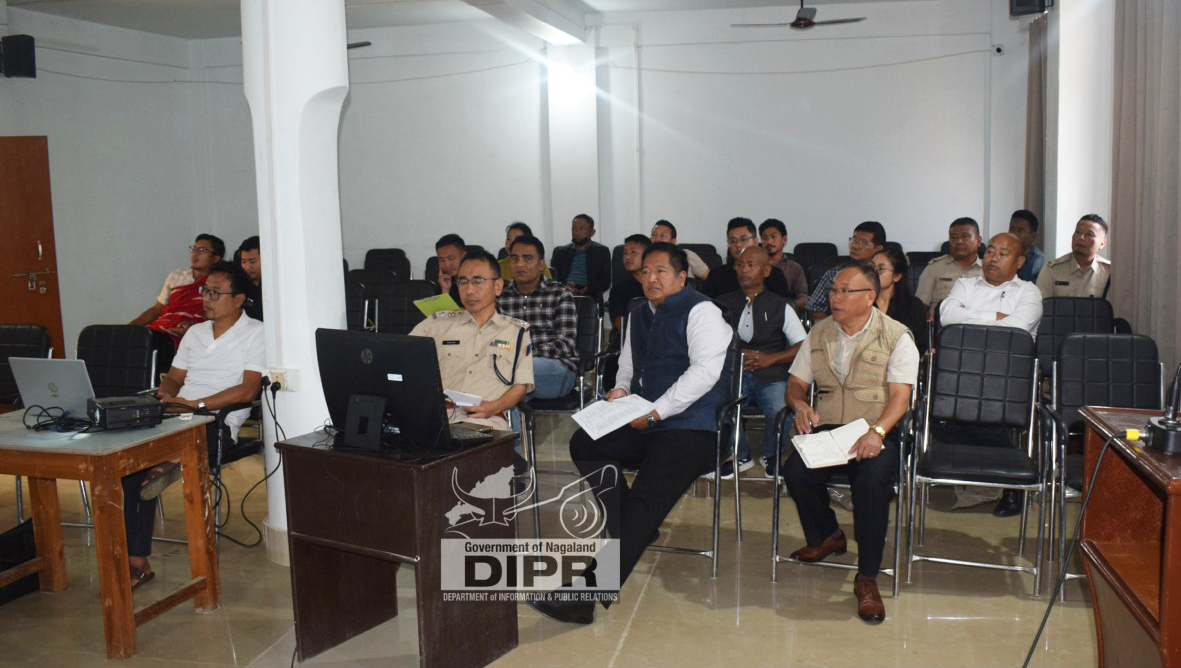
The District Level Incident Response Structure (IRS) members, Longleng led by the Deputy Commissioner & Chairman, DDMA Longleng, W. Manpai Phom NCS, attended the VC orientation and coordination meeting held on April 22 at DPDB hall, Longleng. The DC informed the members that the Tabletop Exercises will be held on April 29, and urged all the members to be present.