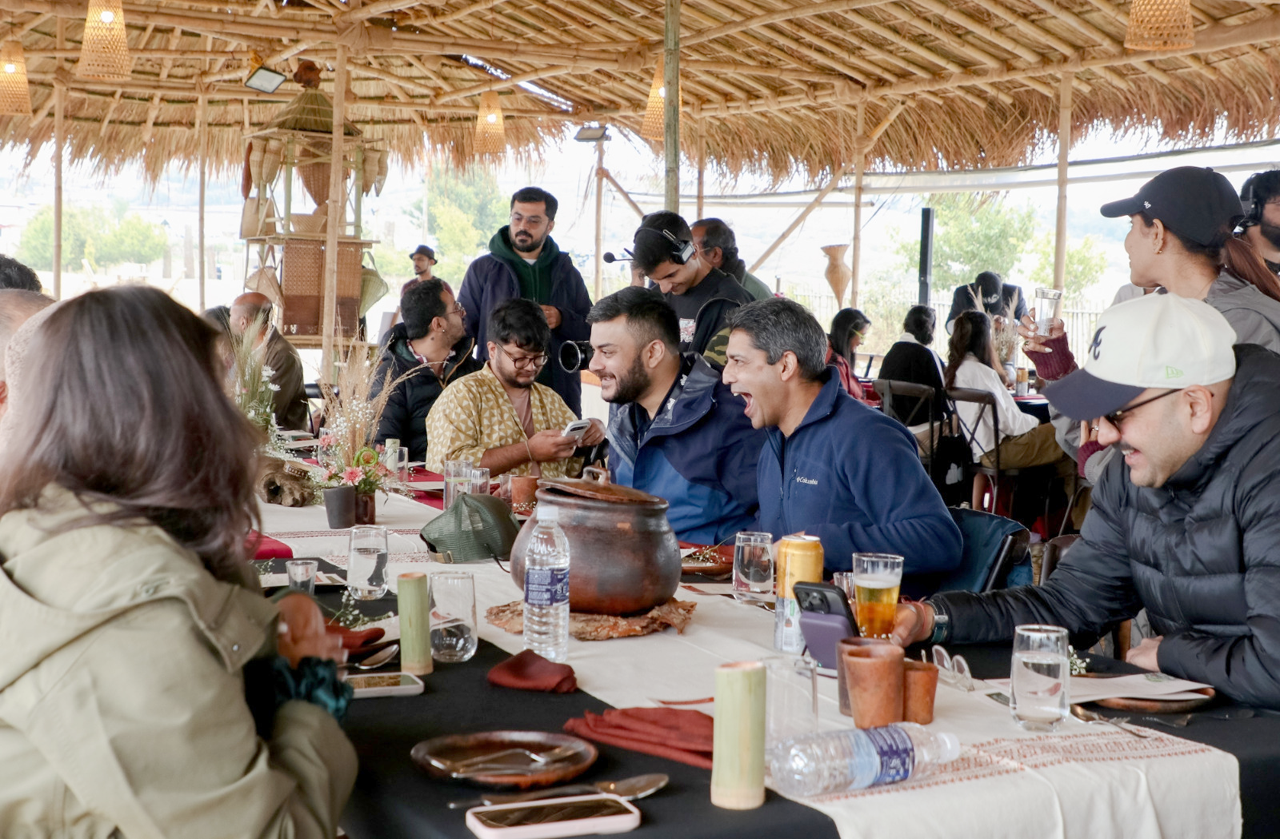
The Seeti Movement is exploring Nagaland as the potential host for its next immersive cultural and culinary showcase. The initiative brings together food, community, and storytelling to present regions through their lived traditions.
At a time when there is growing interest in more meaningful and experience-led travel, Nagaland’s strong tribal identities, diverse food traditions, and deeply community-driven way of life offer a natural fit for a format that moves beyond conventional tourism narratives.
Unlike typical food festivals, the Seeti Movement is designed as a multi-day, invite-only experience that places participants within the ecosystem of a region. Through shared meals, local immersions, and direct engagement with communities, the format focuses on understanding the people, practices, and environments that shape food and culture.
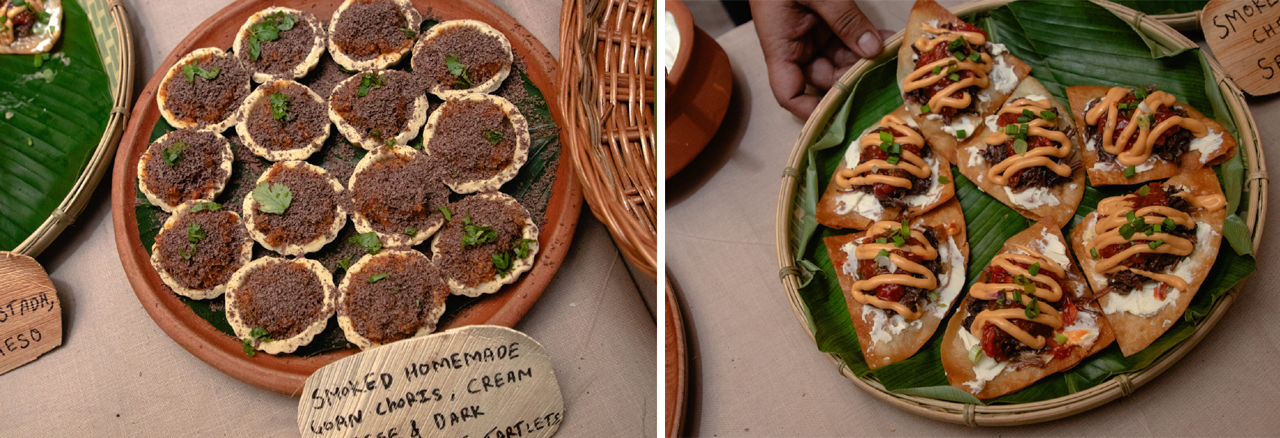
Speaking about the possibility of bringing the initiative to Nagaland, co-founder, Sid Mewara said, “Nagaland offers a rich cultural and culinary depth that aligns very closely with what Seeti is trying to do. Each tribe has its own traditions, ingredients and ways of cooking, making food deeply tied to identity and community. What makes it especially compelling is that these practices are still closely connected to everyday life.”
He added that the intention is not to replicate previous editions, but to build something rooted in Nagaland’s own context. “The idea is to create a format that reflects the local ecosystem while allowing these stories to travel beyond the region in an authentic and meaningful way,” he said.
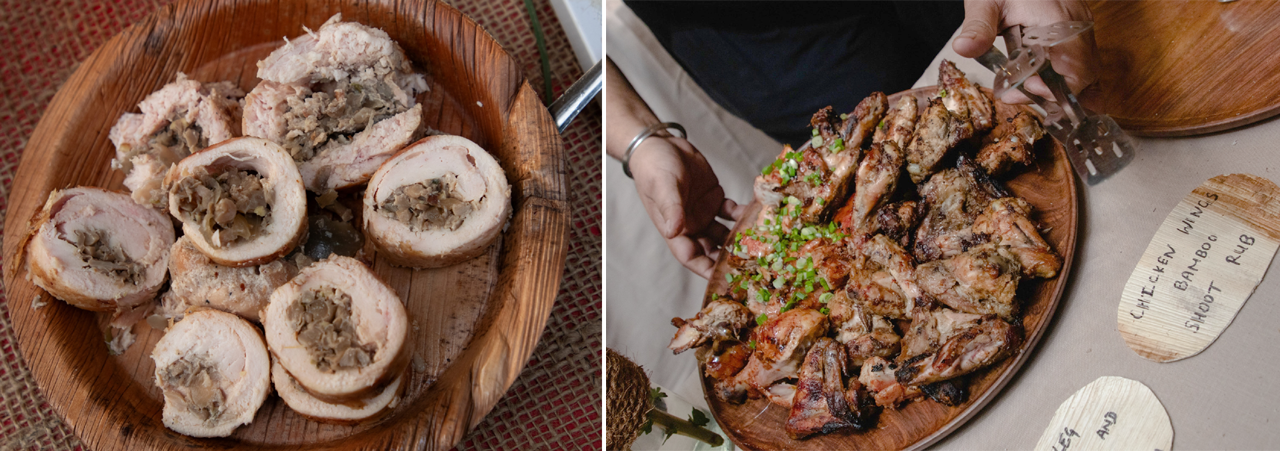
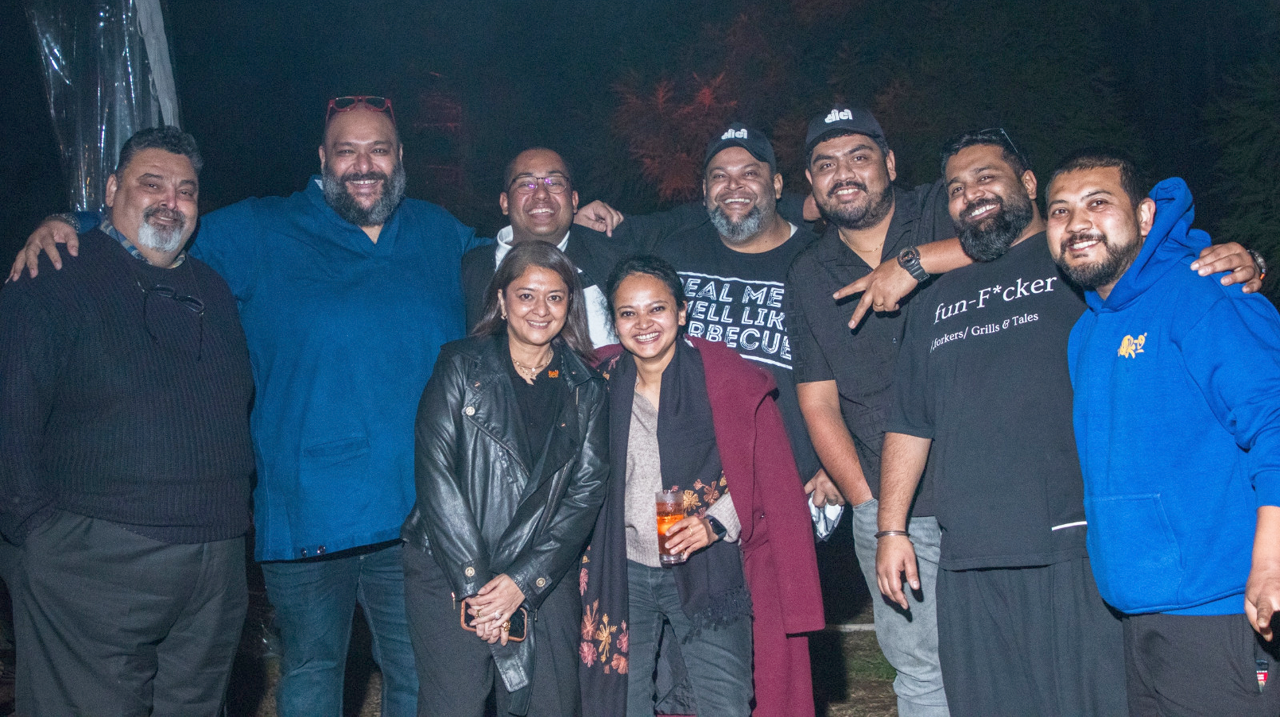
The Seeti Movement typically brings together chefs, restaurateurs, cultural practitioners, media voices, and creators—forming a network of individuals who engage with a region and continue to amplify its narratives beyond the experience.
Download Nagaland Tribune app on Google Play


“The impact of the Seeti Movement is designed to scale through digital storytelling and traditional media channels. During our previous edition, we were able to successfully mobilize a collective powerhouse of 50 voices with a combined total footprint in tens of millions,” Mewara stated.
The exploration of Nagaland follows the recent Seeti 2.0 edition held in Meghalaya from March 26 to 31, where a curated group of participants engaged with local communities, food systems, and cultural practices across the region. The experience brought together regional and visiting chefs including Benny Wankhar, Adonijah Lyngdoh, Ahmedaki Laloo, Nambie Marak, Vishesh Jawarani and Reuben Zamal Sooting.
With its distinct tribal cuisines, indigenous ingredients, and traditions that remain closely embedded in everyday life, Nagaland presents a compelling canvas for an initiative that seeks to document, engage with, and amplify cultural ecosystems rather than simply present them.
As conversations around its potential inclusion continue, the Seeti Movement is positioning itself not just as an event, but as a platform that enables deeper cultural engagement while building long-term narratives around regions and their identities.