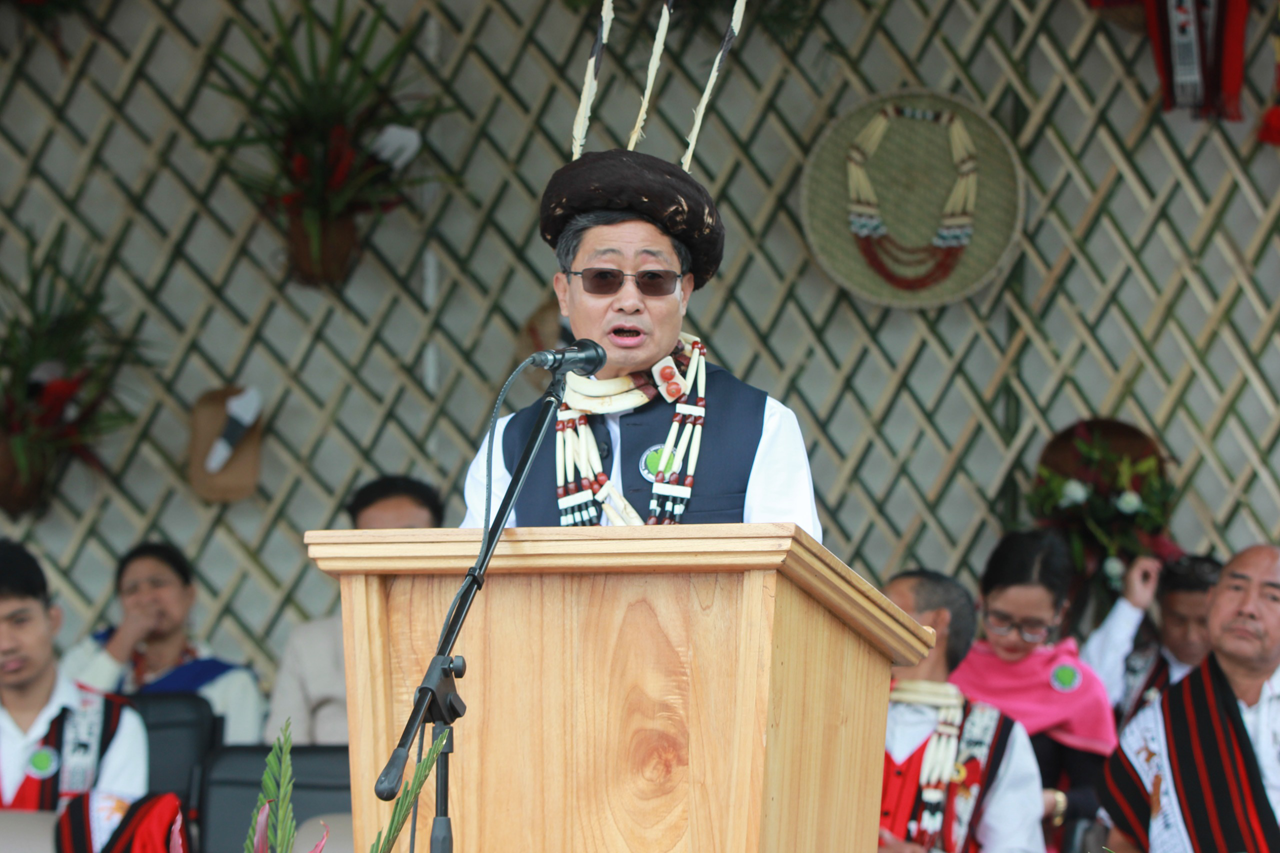
Sungratsü village observed Green Moatsü 2.0 at Senden Lenden on May 2 on the theme “Sobilba Lipokum – Eco Cultural Living,” with the ceremonial awakening of the traditional drum beats.
The event drew villagers, invitees and guests from different walks of life, and the occasion symbolised the identity of Ao Naga cultural traditions associated with the Moatsü festival.
Chief Secretary of the Government of Nagaland, Sentiyanger Imchen, who attended the celebration, spoke on the significance of Moatsü in Ao society and said the festival was traditionally observed by forefathers with prayers and hope for a good harvest season.
He said the festival continued to remain relevant as it strengthened unity and community spirit among the people. “Moatsü strengthens unity among the people as it does not distinguish between rich and poor, class or creed,” he said, adding that the communal nature of the celebration brought people together through shared participation and feasting.
Imchen also acknowledged the collective spirit of the people of Sungratsü village and appreciated their willingness to contribute towards the welfare and development of the community whenever required.
Speaking on the changing perception of traditional festivals over the years, he noted that celebrations such as Moatsü and Tsüngremmong were once viewed with hesitation by sections of the church, resulting in a gradual decline in observance. However, he said attitudes had changed over time and such festivals were now being celebrated openly in villages as well as urban centres.
Nagaland Tribune app on Google Play


According to Imchen, the continued observance of indigenous festivals was important in helping younger generations understand their cultural roots and traditional values, particularly for those growing up away from their native villages.
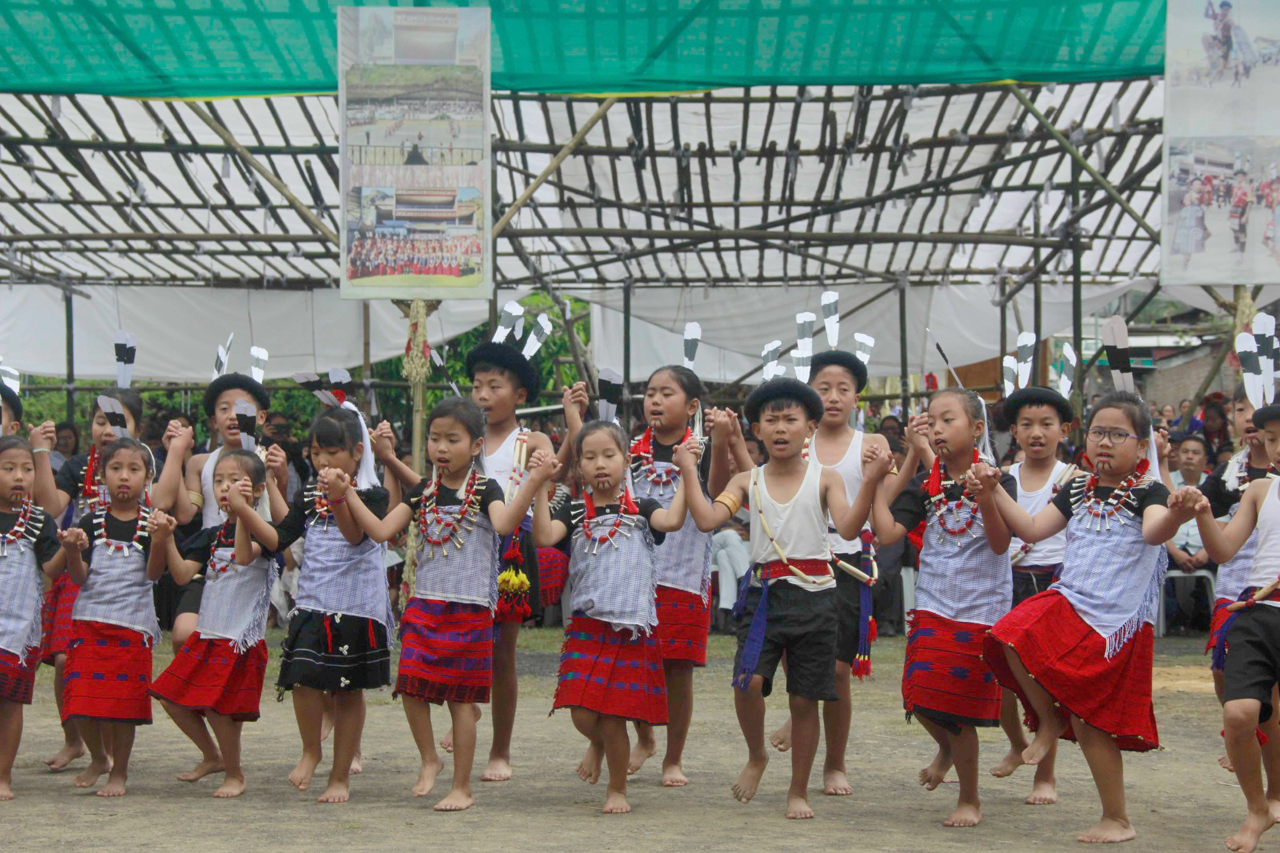
Expressing concern over the gradual loss of mother tongues and traditional identity among younger generations, especially in towns and cities, he urged the youth to remain connected to their roots and heritage.
“If you do not know your roots and culture, how will you know your social identity?” he remarked.
The programme also included addresses by S Bendang Aier, Chairman of Sungratsü Village Council, retired IPS officer L Bendang Lemtur and Imlitoshi Walling
Traditional folk songs, cultural presentations and Ao Naga folk dances by different groups formed part of the celebration, followed by a community feast.