The recent media tour for media persons from Nagaland, organized by the Press Information Bureau (PIB) Kohima to Bihar offered more than just exposure, as it provided a meaningful reflection on how tradition and livelihood can go hand in hand in a rapidly modernising world.
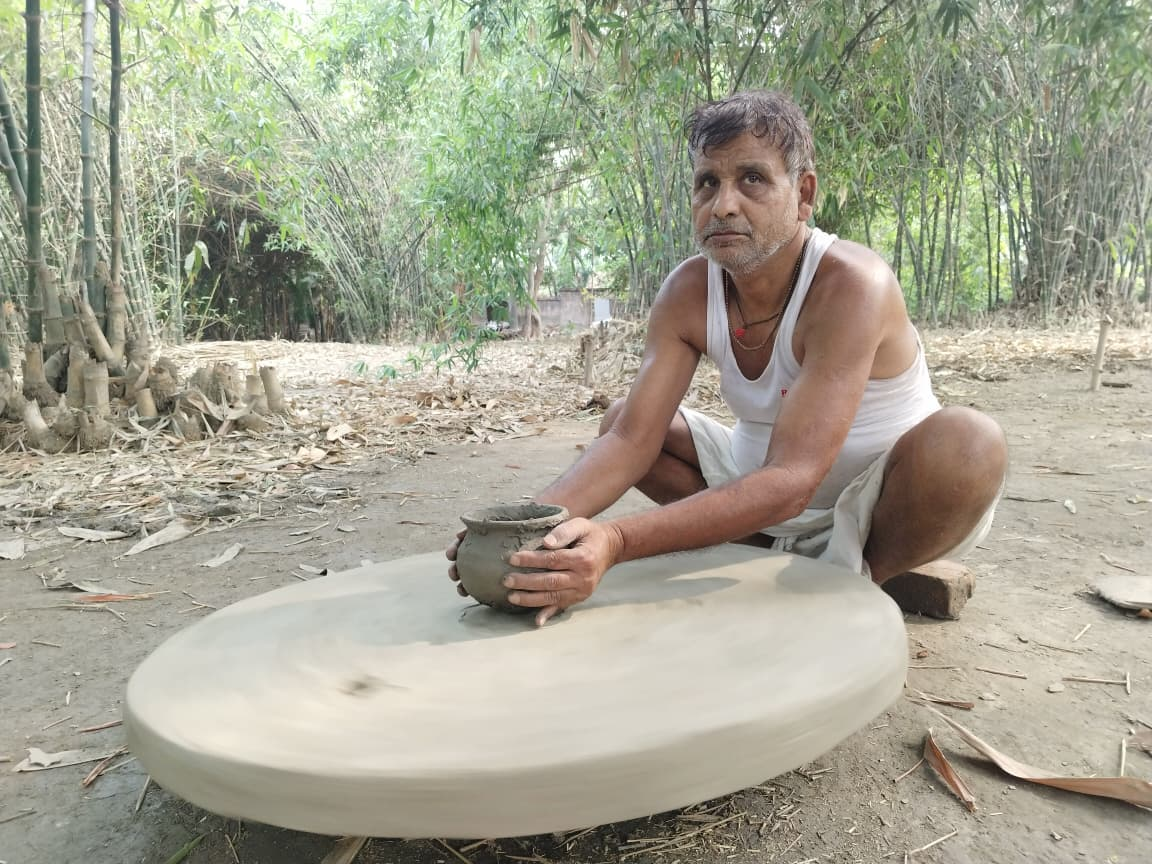
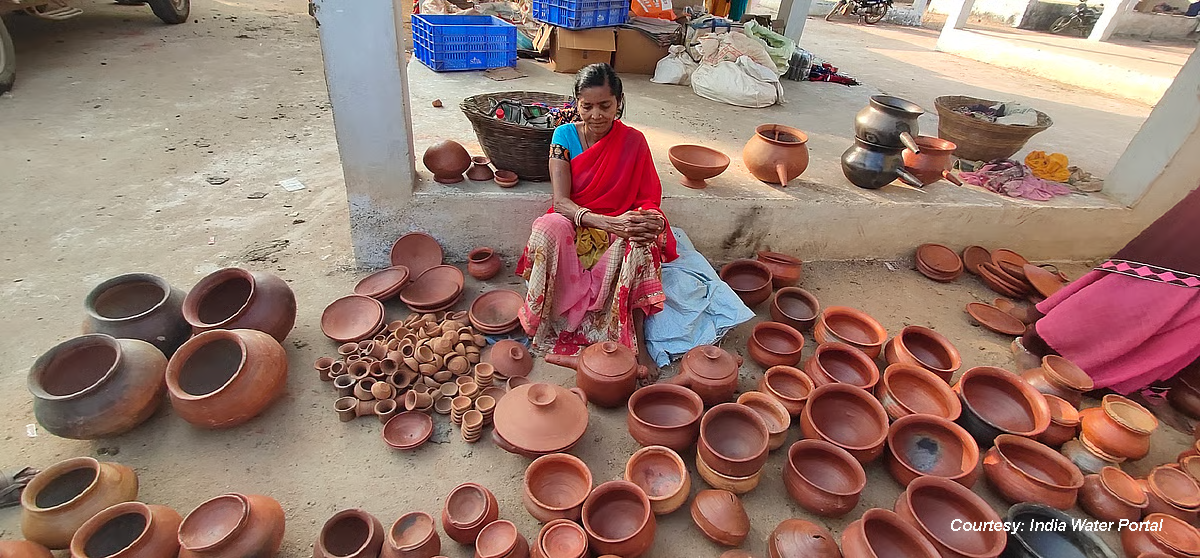
What stood out most during the visit was the continued and conscious use of earthen pots in everyday life. Across towns and highways, from roadside vendors to modest eateries and even some established food outlets, clay pots were not merely decorative items or relics of the past, but they were actively used in cooking and serving. Tea was served in small clay cups, popularly known as “kulhads,” while many dishes such as Mutton, chicken curry etc, were prepared in earthen vessels that enhanced both flavour and presentation attracting the attentions of the tourists from every corner visit Bihar.
The use of earthenware in Bihar highlights a sustainable ecosystem where culture and commerce complement each other. Local potters continue to practise their craft, passing down skills through generations, while benefiting economically from steady demand. Customers, in turn, are drawn not only to the authenticity of the experience but also to the unique taste and aroma that clay cooking imparts. In this way, something as simple as an earthen pot becomes a symbol of identity, sustainability, and economic resilience.
In contrast, Nagaland too possesses a rich tradition of using earthen pots, deeply embedded in its cultural and culinary practices. For generations, Naga households relied on clay pots crafted by skilled local artisans using indigenous materials. These pots were essential for cooking staple dishes, brewing rice beer, and storing food. The slow-cooking process in earthen pots allowed flavours to develop naturally, enhancing the distinct taste of Naga cuisine. Dishes prepared with smoked meat, fermented ingredients, and bamboo shoot often carried a depth of flavour that modern utensils struggle to replicate.
Beyond their culinary value, earthen pots symbolised a harmonious relationship with nature. Made from natural clay and free from industrial processing, they were environmentally friendly and sustainable. Their production involved traditional knowledge systems that had been carefully preserved and transmitted across generations, reflecting a way of life that respected both culture and the environment.
However, despite this deep-rooted heritage, the use of earthen pots in Nagaland is gradually diminishing. With the rise of modern kitchenware such as aluminium, steel, and non-stick utensils, convenience has taken precedence over tradition. Urbanisation, changing lifestyles, and the availability of mass-produced alternatives have contributed to this shift. As a result, the demand for traditional pottery has declined, leading to fewer artisans practising the craft and an increasing risk of this cultural knowledge being lost.
This decline is not merely about the disappearance of a traditional object; it represents a broader erosion of cultural identity and heritage. When such practices fade, they take with them stories, skills, and values that have shaped communities for generations. The loss of earthen pot usage also means losing a sustainable and eco-friendly alternative at a time when environmental concerns are becoming increasingly urgent.
What Bihar demonstrates, however, is that tradition does not have to be sacrificed in the face of modernity. Instead, it can be adapted and integrated into contemporary life in ways that benefit both culture and the economy. By maintaining the use of earthen pots in everyday practices, Bihar has successfully created a model where heritage is not only preserved but also made relevant and economically viable.
Nagaland Tribune app on Google Play


Nagaland can draw valuable lessons from this approach. Reviving the use of earthen pots in local households, restaurants, and community events could help reconnect people with their cultural roots. Promoting traditional cooking methods as part of the region’s identity can also enhance its appeal to visitors, offering an authentic experience that stands out in today’s tourism landscape. Moreover, supporting local artisans through initiatives, awareness campaigns, and market access can help sustain traditional craftsmanship while generating livelihoods.
Educational institutions and community organisations can also play a role by encouraging younger generations to appreciate and learn traditional skills. Integrating such practices into cultural festivals, exhibitions, and local markets can create renewed interest and demand. In doing so, tradition becomes not just something to remember, but something to actively live and sustain.
There is no limitation preventing Nagaland from embracing such a model. The state is rich in cultural heritage, natural resources, and skilled artisans who have the potential to revive and sustain these practices. What is required is a collective effort to recognise the value of tradition and to integrate it into contemporary life in meaningful ways.
By consciously promoting and preserving traditional practices like the use of earthen pots, Nagaland can strengthen its cultural identity while also creating economic opportunities for its people. Tradition, when valued and adapted thoughtfully, can become a powerful tool for sustainable development ensuring that culture and community continue to thrive together in the years to come.
