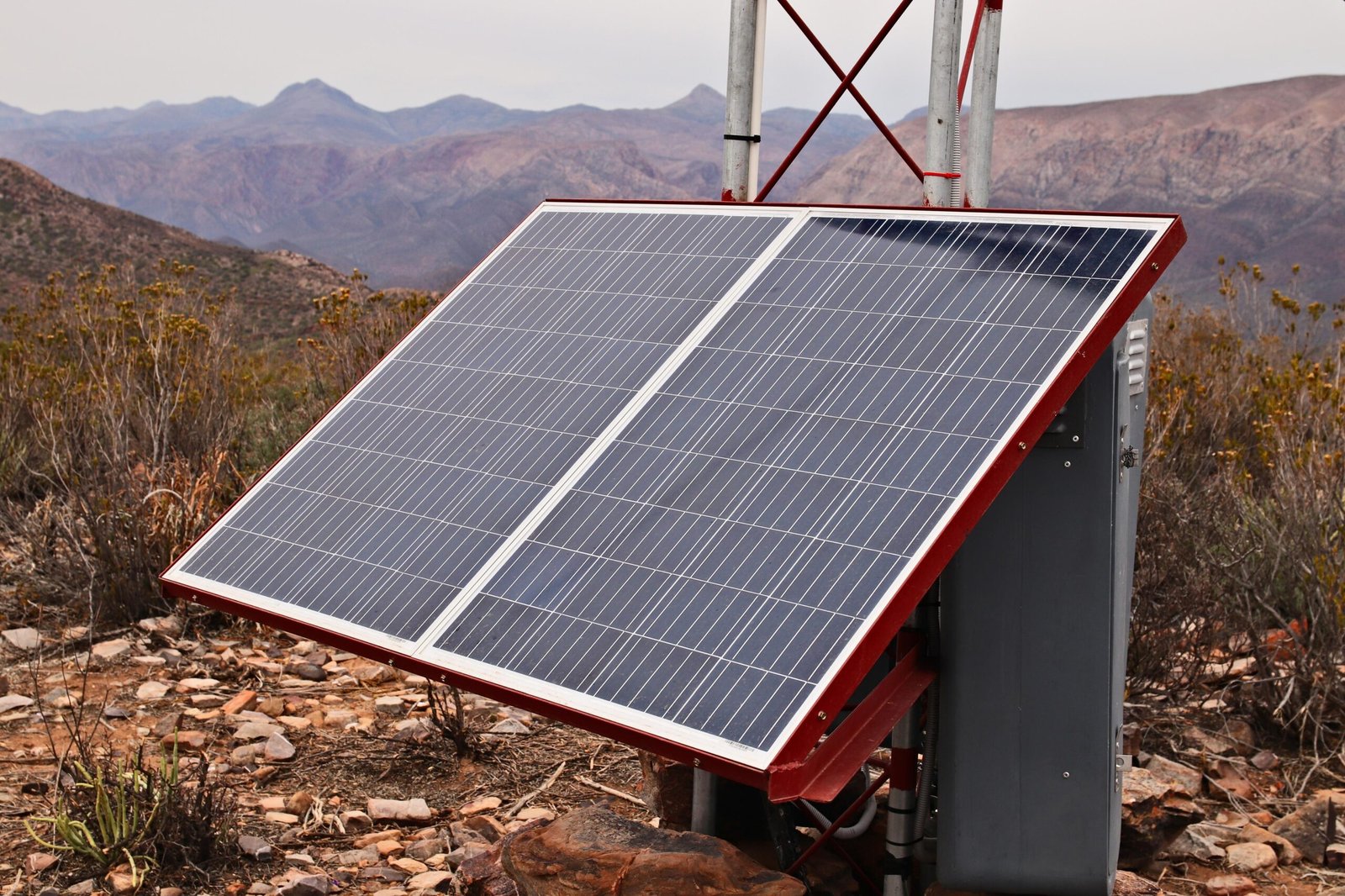
Rooftop solar is becoming a practical consideration for households looking to generate electricity from available roof space. Planning a solar installation involves several factors, including the property’s electrical connection, typical power consumption, and the type of appliances used.
An inverter plays an important role in a grid-connected solar setup by converting the electricity generated by solar panels into a form that household appliances can use. Since properties can have different electrical requirements, understanding the available on-grid solar inverter configurations can help when planning a suitable solar system.
Let’s learn about the key differences between single-phase and three-phase on-grid solar inverters and the factors that can help you select the right option for your property.
What is an On-grid Solar Inverter?
Solar panels generate electricity in direct current (DC), while most household appliances operate on alternating current (AC). An on-grid solar inverter converts the DC electricity produced by solar panels into AC electricity that can be used by appliances connected to the property’s electrical system.
In a grid-connected setup, the inverter also works alongside the utility grid. Solar electricity can supply the property’s electrical loads when sufficient generation is available. When solar generation does not meet the property’s requirements, electricity can be drawn from the grid.
Depending on the applicable metering arrangement and local regulations, surplus electricity generated by the solar system may also be exported to the grid. This makes the inverter an important component of a rooftop solar installation.
The inverter configuration needs to be compatible with the property’s electrical connection and the planned solar system. This is where the distinction between single-phase and three-phase systems becomes relevant.
Key Differences between Single-phase vs Three-phase On-grid Solar Inverters
Single-phase and three-phase on-grid solar inverters are designed to work with different electrical configurations. The right choice depends on the property’s connection, electricity requirements, and proposed solar capacity.
- Electrical Connection
A single-phase electrical connection supplies power through one phase. It is commonly found in residential properties with moderate electricity requirements.
A three-phase connection distributes electrical power across three phases. It is commonly found in larger homes, commercial properties, and buildings with higher electrical requirements.
The existing connection is therefore one of the first things to check before selecting an on-grid solar inverter. Additionally, the inverter should be compatible with the property’s electrical connection and the requirements of the proposed solar installation.
- System Capacity
The planned solar system capacity is another consideration. An on-grid solar inverter needs to have a suitable rating for the solar array and the property’s electrical requirements.
A larger solar installation can have different inverter requirements from a smaller residential system. However, solar capacity should be considered alongside the property’s connection type, sanctioned load, and electricity consumption.
Selecting an inverter solely based on its capacity may not provide the right configuration for the property. The complete electrical setup should be assessed before the equipment is selected.
- Electrical Load and Load Distribution
The electrical load of a property can influence the choice between single-phase and three-phase systems. A home with moderate electricity consumption and fewer high-powered appliances may be suitable for a single-phase setup, while properties with higher electrical demands may benefit from a three-phase configuration.
Single-phase systems deliver electrical power through one phase, whereas three-phase systems distribute power across three phases. This can be useful in properties where several appliances operate simultaneously, such as larger homes with multiple air conditioners, pumps, or other high-powered equipment. The appropriate configuration ultimately depends on the property’s overall electrical load and how that load is distributed.
- Typical Applications and Property Type
Single-phase configurations are commonly associated with homes that have a single-phase grid connection and moderate electricity requirements.
Three-phase configurations are often considered for larger homes, commercial spaces, and properties with higher electrical loads. They can also be suitable where the existing electricity connection is already three-phase.
Property size alone does not determine the appropriate configuration. A smaller property with high electricity consumption can have different requirements from a larger home with lower energy demand.
For this reason, the selection of an on-grid solar inverter should take the property’s electrical connection, load profile, and proposed solar capacity into account.
How to Choose the Right Inverter for Your Property
Consider these key factors when selecting an inverter for your rooftop solar system:
- Check Your Electrical Connection
Confirm whether your property has a single-phase or three-phase electricity connection. This is an important starting point because the inverter configuration needs to correspond with the property’s electrical setup.
If you are unsure about your connection type, you can check your electricity documentation or consult a qualified electrician or solar installer.
- Assess Your Electricity Consumption
Review your recent electricity bills to understand your typical energy consumption. Look at your usage across different months to identify your general consumption pattern.
This information can help determine the appropriate solar system capacity and, in turn, the inverter requirements.
- Consider Your Appliances
Make a list of appliances that contribute significantly to your electricity consumption. Air conditioners, water pumps, electric cooking equipment, and other high-powered appliances can affect the property’s overall electrical load.
Considering these requirements can help you understand if your existing electrical configuration is suitable for the proposed solar system.
- Match the Solar System Capacity
The planned solar panel capacity and inverter rating should be compatible with each other. An on-grid solar inverter should also be suitable for the property’s electrical connection and expected load.
A professional installer can assess the proposed system and recommend an appropriate inverter capacity based on the complete installation.
- Review Your Sanctioned Load
Your sanctioned load indicates the electrical load approved for your connection. Checking this figure can help you understand the limits of the existing electrical setup.
If the proposed solar installation involves significant electrical requirements, discuss the sanctioned load with your electricity distribution company or qualified installer before proceeding.
- Check Local Requirements
Solar installations need to follow applicable electricity regulations, utility requirements, and metering arrangements. These requirements can vary by location and type of connection.
Review the applicable guidelines before finalising your system to ensure that the proposed installation meets the required technical and administrative conditions.
- Consult a Qualified Installer
A qualified solar installer can assess your electrical connection, electricity consumption, sanctioned load, solar capacity, and available installation space.
This assessment can help you select an on-grid solar inverter that fits the property’s requirements and works appropriately with the proposed solar system.
How Government Subsidies Can Support Rooftop Solar Inverter
Government initiatives have made on-grid and hybrid rooftop solar more accessible to eligible households across India. Under the PM Surya Ghar: Muft Bijli Yojana, eligible homeowners can receive a subsidy of up to ₹78,000, subject to prevailing terms, eligibility criteria, and approved system capacity.
The assistance can help lower the initial installation cost. The applicable amount depends on system capacity and scheme conditions. Applicants should check the latest requirements and their State Nodal Agency for any additional regional incentives.
Make the Right Solar Inverter Choice
Selecting the right solar inverter is about creating a system that works well with your property’s electrical setup and everyday energy needs. Check your connection type, electricity consumption, appliance load, and planned solar capacity before making a decision.
Professional guidance can also help assess compatibility and installation requirements. Energy solution providers like Eastman Auto & Power Limited can be considered when exploring solar and power solutions.
Taking a practical approach to system planning can help you make a more informed choice for your rooftop solar installation.