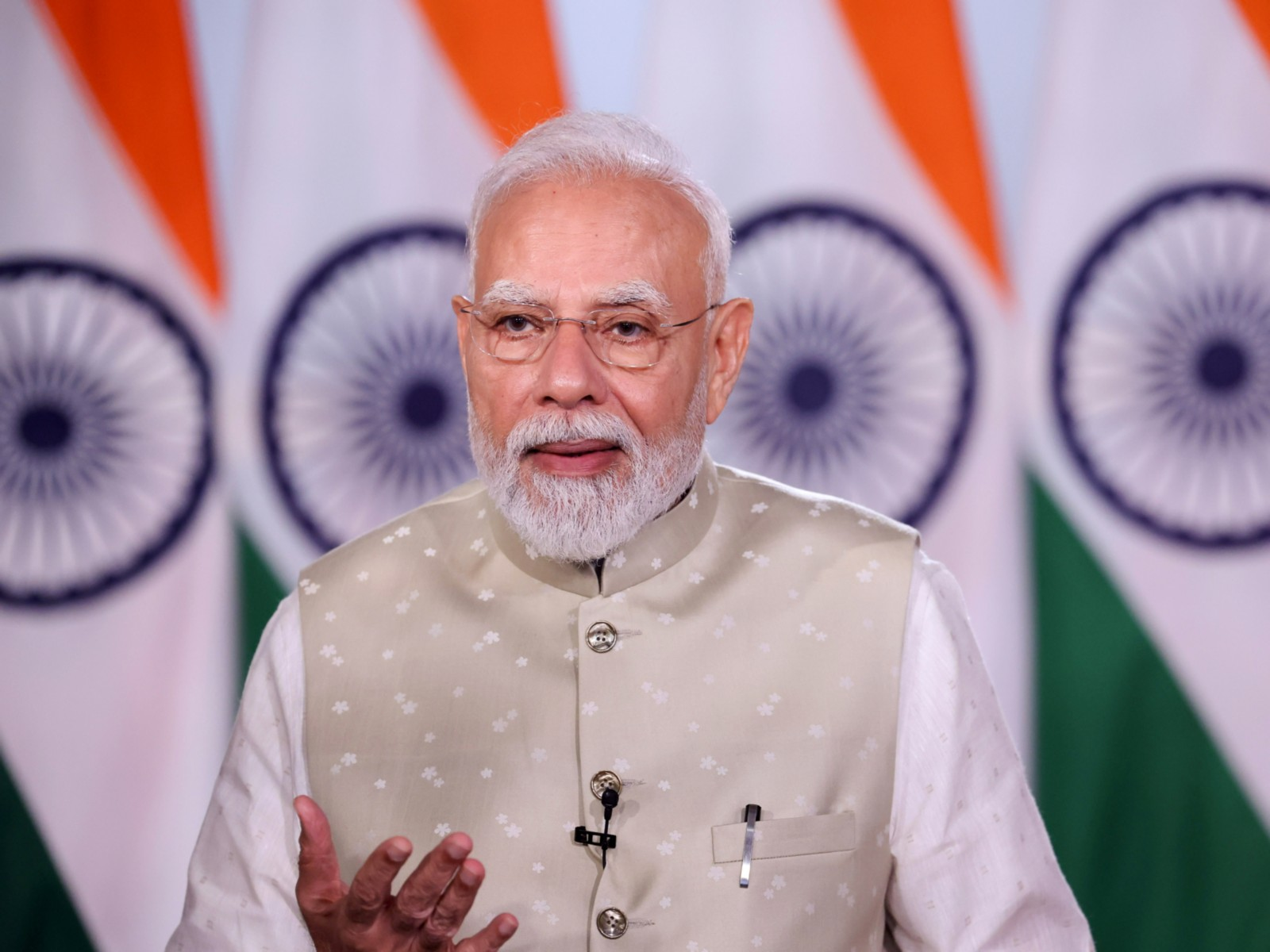
Prime Minister Narendra Modi on Sunday recalled the 2016 surgical strikes on the eve of their 10th anniversary, saying India’s response to terrorism had evolved into what he described as a “zero-tolerance policy”.
Addressing the 138th episode of his monthly radio programme Mann Ki Baat, Modi said the Indian Army had carried out the surgical strikes on terrorist hideouts in Pakistan on September 28-29, 2016, describing the operation as a “decisive response” to the long-standing challenge of terrorist attacks.
Referring to subsequent operations, including the Balakot airstrike and Operation Sindoor, the Prime Minister said India had repeatedly conveyed that terrorist attacks would invite a strong response. He also recalled the 2008 Delhi serial blasts and the 26/11 Mumbai attacks, besides paying tribute to the victims of the September 11, 2001 terrorist attacks in the United States on their 25th anniversary.
A major part of the address focused on the ongoing census exercise. Modi said the first phase had nearly been completed across all States and Union Territories, with information on more than 32 crore families recorded. He urged citizens to use the self-enumeration facility available through the census portal, which allows individuals to submit details of themselves and their families through mobile phones.
According to the Prime Minister, more than 2.6 crore people had already completed self-enumeration through the portal. He said the facility is available in 16 languages, including Hindi, and takes around 15 to 20 minutes to complete without uploading documents.
Modi also paid tribute to former Vishwa Hindu Parishad international working president Ashok Singhal on his birth centenary. Recalling Singhal’s contribution to the Ram Janmabhoomi movement, he also highlighted what he described as Singhal’s efforts against social discrimination and inequality.
Highlighting India’s cultural heritage, the Prime Minister referred to the Somnath Swabhiman Parv and the history of the Modhera Sun Temple in Gujarat. He said the temple, despite having faced destruction, represented India’s resilience and its continuing connection with heritage. He also highlighted Modhera’s transformation into a solar-powered village and urged people to visit the site.
The Prime Minister called for greater efforts to document and understand India’s heritage, citing an initiative in Manapparai, Tamil Nadu, where A. Selvaraju has been documenting ancient sculptures and temples discovered during field visits.
Download Nagaland Tribune app on Google Play


Ahead of Gandhi Jayanti on October 2, Modi highlighted cleanliness initiatives being undertaken by young people and communities across the country. He cited river-cleaning efforts in Madhya Pradesh, restoration of wells and stepwells in Andhra Pradesh, beach-cleaning drives in Mumbai and waste-segregation awareness initiatives in Delhi and West Bengal, describing such efforts as examples of “Jan-Bhagidari”.
He also highlighted conservation efforts in Assam, including the return of elephants to the Sonai Rupai Wildlife Sanctuary after encroachment was cleared and efforts to revive the population of the endangered pygmy hog. He cited mangrove plantation work by women in the Sundarbans as another example of conservation linked with livelihoods.
On the anti-drug campaign, Modi said millions of young people had recently taken pledges to stay away from drugs and spread awareness under the 100-week Nasha Mukt Yuva Abhiyan. He urged families and communities to support young people trying to overcome addiction and called for a collective resolve towards a drug-free youth.
The Prime Minister also highlighted efforts to identify sporting talent in villages and towns, citing former hockey player and coach Rajinder Singh and his work through the RoundGlass Hockey Academy to provide facilities and identify young talent.
Turning to rural entrepreneurship, Modi highlighted the traditional association of Pratapgarh in Uttar Pradesh with amla and said the One District One Product initiative had created new opportunities for farmers and women’s self-help groups involved in amla processing.
He also referred to initiatives undertaken during Nutrition Month, including promotion of moringa in Chhattisgarh, millet-based food competitions in Gujarat and nutrition-related campaigns in Maharashtra and Mizoram. He said the Poshan Tracker had digitally connected Anganwadi centres and registered around nine crore beneficiaries.
Concluding the address, Modi highlighted the growing international interest in Indian cultural traditions, citing the Ganesha Himal Museum in Chiang Mai, Thailand, which houses more than 10,000 idols of Lord Ganesha. He urged citizens to continue sharing inspiring stories and celebrate the forthcoming festivals with family and friends.
