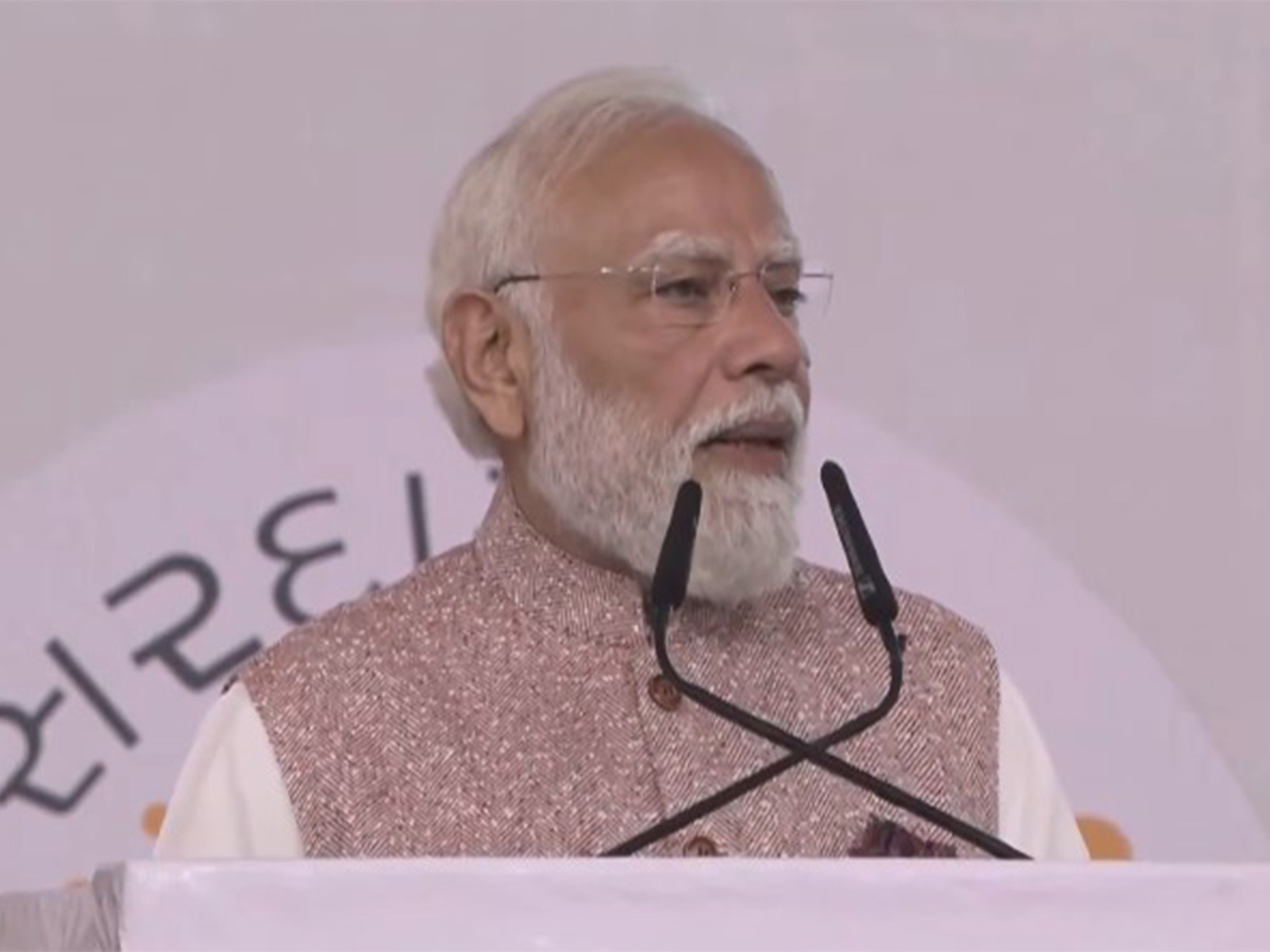
Prime Minister Narendra Modi on Monday urged citizens to reduce dependence on imported goods and strengthen the “Vocal for Local” movement amid growing global instability and disruptions caused by the ongoing West Asia conflict.
Addressing an event at Vadodara in Gujarat, the Prime Minister said the world has been passing through unstable circumstances over the past few years, beginning with the COVID-19 pandemic, followed by global economic challenges and now tensions in West Asia, all of which have impacted India as well.
“Over the past few years, the world has been continuously passing through unstable circumstances. First, the crisis of COVID, then global economic challenges, and now the rising tensions in West Asia. The impact of all these situations is continuously falling on the entire world, and India is not untouched by it either,” he said.
“If the COVID pandemic was the biggest crisis of this century, then the circumstances created by the war in West Asia are one of the major crises of this decade. When we together overcame the challenge of COVID, we will surely get through this crisis as well,” Modi said.
He said the government was making continuous efforts to minimise the impact of the crisis on citizens, while calling upon people to contribute by reducing unnecessary dependence on foreign products.
The conflict between US and Israel on one side and Iran on the other started on February 28. US and Iran have been observing a “shaky” ceasefire since March 7. The conflict has caused disruptions in global energy supply chains.
PM Modi said in earlier decades too, whenever the nation went through a major crisis, the government made an appeal and citizens always fulfilled their duty with sincerity.
“Even in the earlier decades, whenever the country has gone through war or any other major crisis, every citizen has fulfilled their responsibility in the same way in response to the government’s appeal. Today, too, there is a need for all of us to come together and fulfil our responsibility to reduce the burden on the country’s resources. India spends lakhs of crores of rupees in foreign exchange to import many products from abroad,” he said.
Nagaland Tribune app on Google Play


“At the same time, the prices of imported goods are soaring, and global supply chains have also been severely disrupted. Just as every drop fills a pot, every small and big effort matters. We must reduce the use of products that come from abroad and avoid unnecessary dependence on imported goods in our daily lives, and also avoid such personal activities that involve spending foreign exchange,” he added.
Referring to past crises, Modi said citizens had always responded positively to government appeals during difficult times, including wars and national emergencies.
“Every small and big effort matters, just as every drop fills a pot,” he added.
The Prime Minister had made a similar appeal during his address in Telangana on Sunday.
The conflict involving the United States and Israel on one side and Iran on the other, which began on February 28, has severely affected global energy supply chains despite a “shaky” ceasefire reportedly in place since March 7.
During his speech, Modi also highlighted the BJP’s recent electoral successes in West Bengal, Assam and Puducherry, saying the results had created an atmosphere of enthusiasm across the country.
He further praised the results of local body and Panchayat elections in Gujarat, describing them as a reflection of the people’s preference for political stability.
“The people of Gujarat have always prioritised political stability. Wherever political stability prevails, economic growth accelerates. Gujarat understood this truth long ago, and the results are visible in both its development and electoral outcomes,” Modi said.
Earlier in the day, the Prime Minister participated in the Somnath Amrut Mahotsav at Somnath Temple, commemorating 75 years since the inauguration of the restored temple.
As part of the celebrations, Modi took part in the Vishesh Maha Puja, Kumbhabhishek and Dhvajarohan ceremonies at the historic temple, one of the twelve Jyotirlingas and a major symbol of India’s spiritual and cultural heritage.
