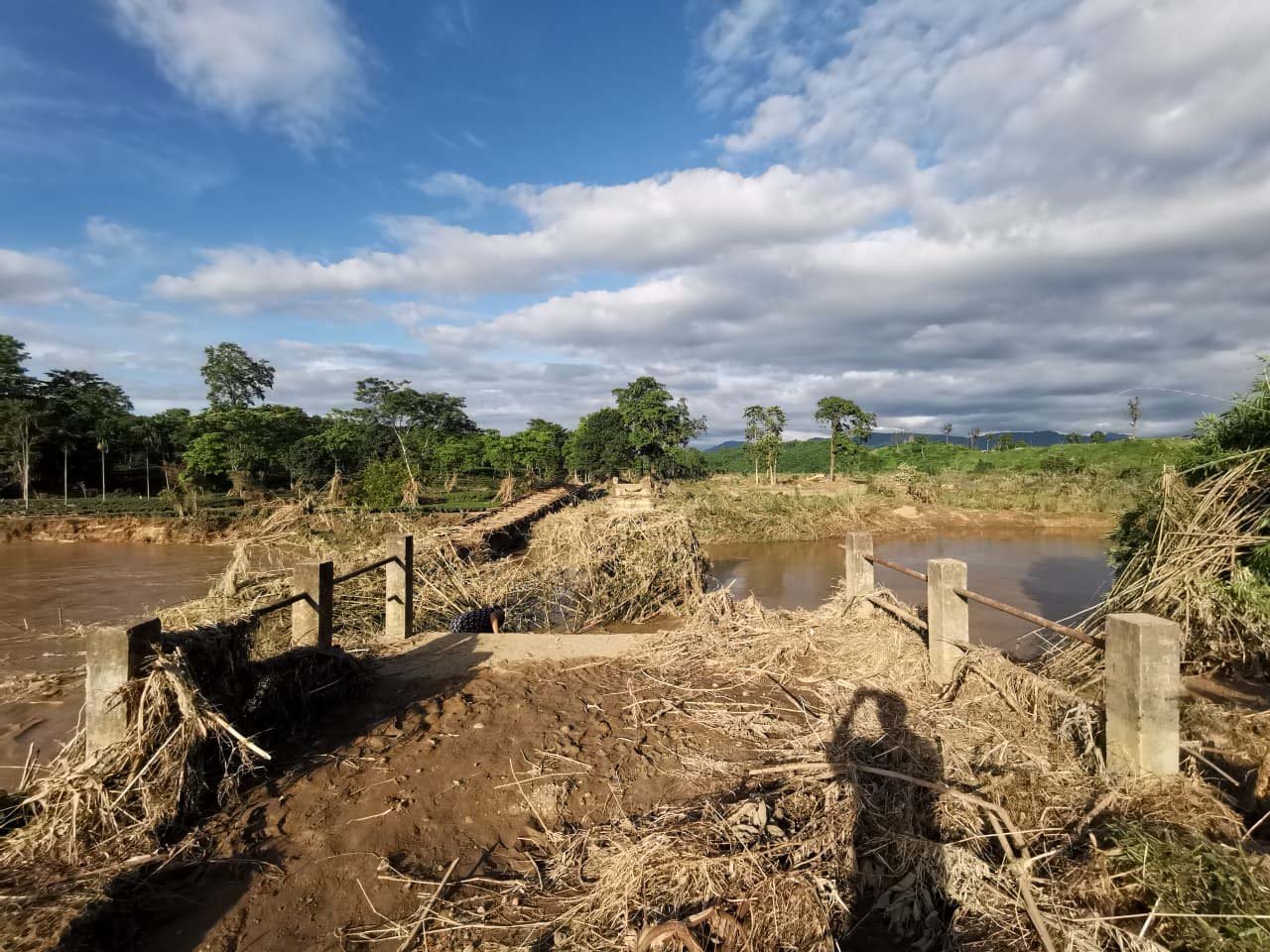
The collapse of the Milak Bridge following continuous heavy monsoon rains has cut off road connectivity to Yajang A, Yajang B and Yajang C villages under Tuli subdivision, which has affected the only direct route linking the villages with Tuli, Mokokchung, Amguri and Dimapur.
According to the villagers, the washed away bridge has left the entire Yajang of Japukong area isolated and with multiple landslides reported in the region has severely affecting the movement of residents and disrupting access to education, healthcare, markets and other essential services.
The bridge serves as the main access route for students, including those attending Rajeshwari Karuna School (RKS) at Wamaken in Tuli, personnel of the Army and the 13th India Reserve (IR) Battalion, daily wage earners, farmers, small business owners and the general public. Villagers said the loss of the bridge has created significant hardship, with many families struggling to carry out their daily activities and livelihoods.
They stated that officials from the PWD (Roads & Bridges) Department have already inspected the damaged site and appealed to the government to take immediate steps to restore the bridge. Describing the Milak Bridge as the only lifeline for the three villages, they stressed that its restoration is essential for education, livelihoods, security, healthcare and the supply of essential commodities.
Nagaland Tribune app on Google Play


Additional Deputy Commissioner (ADC) Mokokchung, Meyatsungba Walling, confirmed that all three Yajang villages have been affected by the collapse of the bridge.
He said an alternate route has been identified for temporary movement. However, commuters will have to cross through the 13th IR Battalion headquarters area and travel via the Amguri Tea Estate in neighbouring Assam before reconnecting to the road network. Walling informed that the Mokokchung district administration has already coordinated with its counterpart in Assam and obtained permission for public movement through the route.
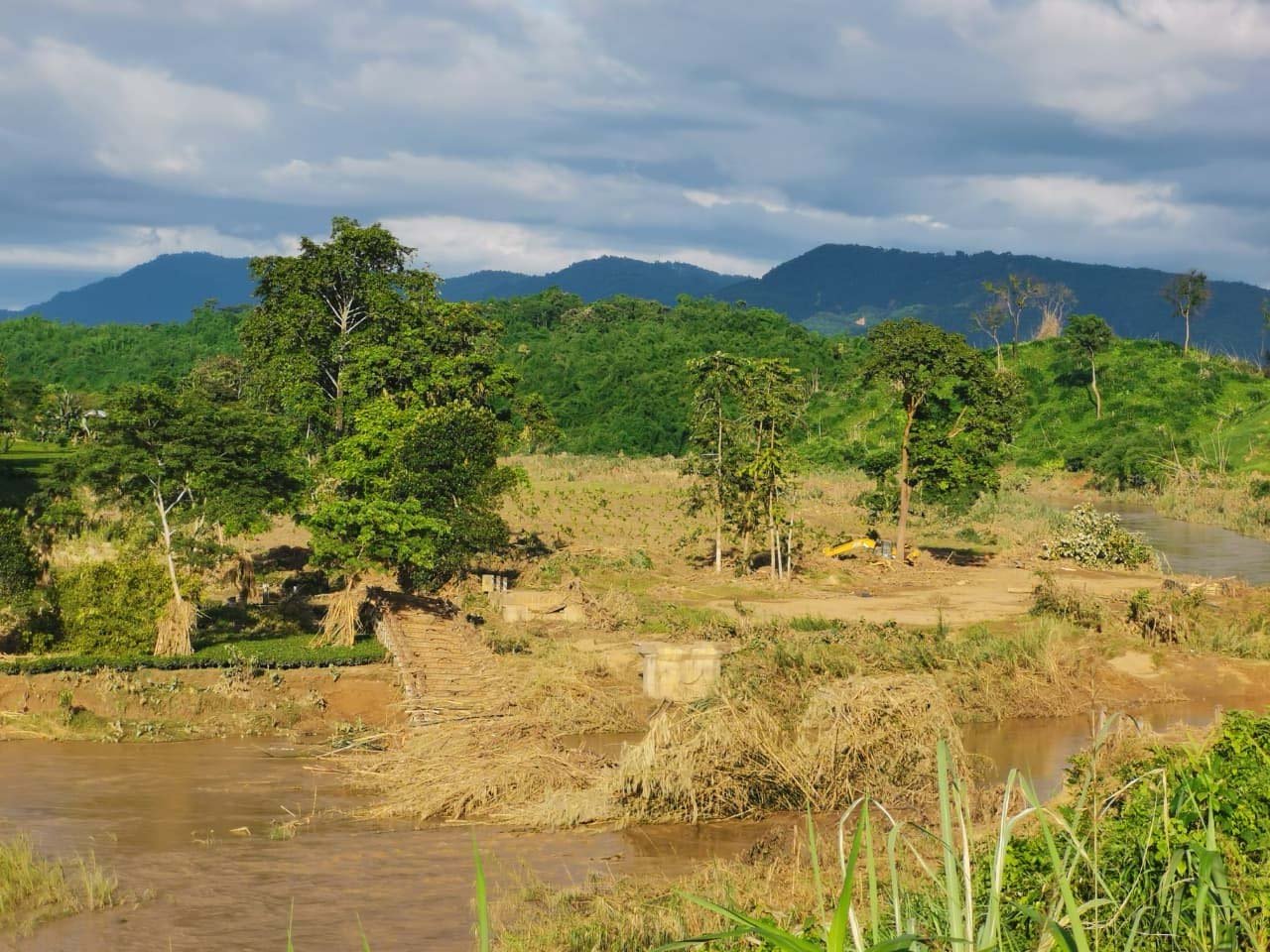
To improve accessibility, Walling said restoration of the alternate road will begin from Friday. The work will involve the use of boulders and labour with the participation of villagers, as the stretch has become extremely muddy due to the continuous rains.
He, however, said the reconstruction of the Milak Bridge will take considerably longer as the entire structure has been washed away. Restoration work cannot begin until the water level recedes and the necessary assessment report is completed.
Walling also informed that both the PWD (R&B) Department and the district administration have contributed funds towards the immediate maintenance of the temporary access road to ensure connectivity until a permanent solution is undertaken.
With the bridge remaining unusable, residents continue to face challenges in travelling for education, work, medical emergencies and the transportation of goods, while awaiting permanent restoration of the vital link.