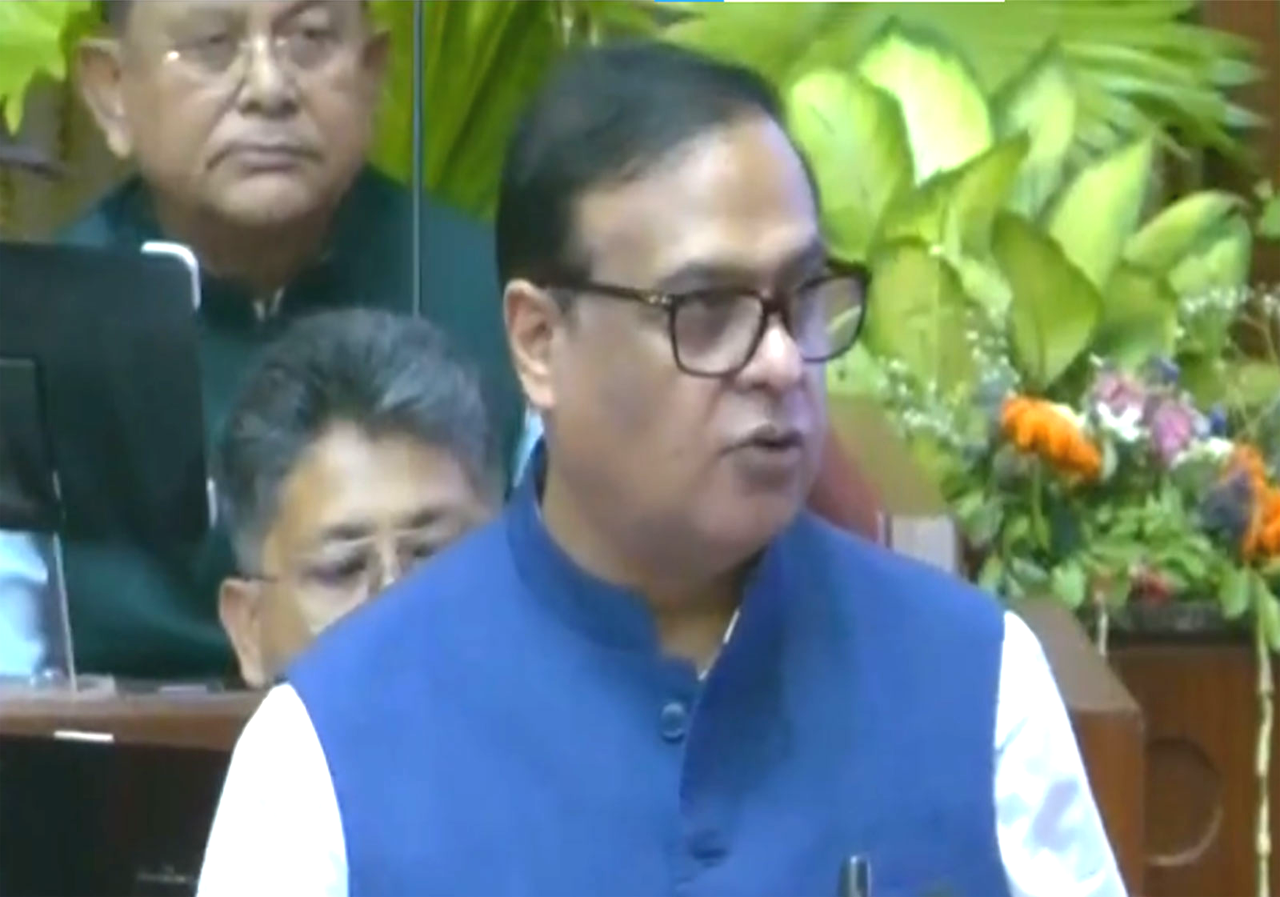
In a historic and politically significant development, the Assam Legislative Assembly on Wednesday passed the Uniform Civil Code (UCC) Bill, 2026, following a marathon and heated debate between the ruling BJP-led National Democratic Alliance (NDA) and opposition parties. The passage of the Bill marks a major legal transformation in the state, introducing a single civil law framework applicable to all residents, irrespective of religion.
The new legislation seeks to bring uniformity in matters relating to marriage, divorce, succession, inheritance, and live-in relationships, effectively replacing multiple personal laws with a consolidated civil code. With this, Assam has become the first state in the Northeast and the third BJP-ruled state in India to formally adopt a Uniform Civil Code, after Uttarakhand and Gujarat. Goa continues to follow a civil law system rooted in Portuguese-era legal provisions.
The UCC Bill introduces a wide range of reforms aimed at standardising civil practices across communities. It prohibits polygamy, establishes a minimum marriage age of 21 years for men and 18 years for women, and makes mandatory registration of marriages and live-in relationships compulsory under the law.
The Bill further prescribes strict timelines for compliance, requiring marriages to be registered within 60 days of solemnisation, while live-in relationships must be registered within 30 days of commencement. Failure to comply with registration requirements within the stipulated timeframe may attract penalties, including fines of up to Rs 10,000, as stated in the official provisions.
Government officials emphasized that while the law introduces uniformity, it also seeks to protect India’s cultural and religious diversity. The legislation explicitly allows marriages to be solemnised through a range of religious and customary practices, including Vedic Bibah, Ahom Chaklong, Saptapadi, Ashirvad, Nikah, Holy Union, Anand Karaj, and other recognised traditions. These practices, the government clarified, will continue to be respected within the unified legal framework.
Download Nagaland Tribune app on Google Play


The Bill was introduced in the Assam Assembly on May 25, 2026, by State Cabinet Minister, Atul Bora on behalf of Chief Minister, Himanta Biswa Sarma. The proposal had already received cabinet approval in the government’s first meeting after assuming office, reflecting its prioritisation as a key governance and legislative agenda item.
The ruling BJP had prominently featured the implementation of a Uniform Civil Code in its election manifesto ahead of the 2026 Assembly elections, presenting it as part of its broader governance and legal reform agenda. The passage of the Bill is therefore being viewed as the fulfilment of a major electoral promise.
During the Assembly proceedings, the Bill witnessed extensive debate, with members of the ruling coalition defending it as a step toward legal uniformity, gender equality, and administrative clarity. Opposition parties, meanwhile, raised concerns regarding its implementation and potential impact on community-specific customs, though the Bill ultimately secured passage.
Addressing concerns regarding Assam’s diverse indigenous population, State Minister for Transport and Bodoland Welfare, Charan Boro stated that there was “no cause for undue apprehension” about the law’s impact on tribal communities. He clarified that tribal groups would remain protected under existing safeguards and that their customary practices would not be disturbed.
The government also maintained that the legislation has been carefully structured to balance uniform legal governance with respect for traditional practices, particularly in relation to Assam’s indigenous and tribal populations.
Meanwhile, Union Home Minister, Amit Shah congratulated the people of Assam, describing the legislation as a long-standing ideological and legislative commitment of the Bharatiya Janata Party (BJP). He credited Prime Minister Narendra Modi’s leadership for enabling BJP-ruled states to advance such reforms.
In a statement shared on social media platform X, Shah said the Uniform Civil Code has been part of the BJP’s core vision since its inception and praised Assam for joining Uttarakhand and Gujarat in adopting the framework. He also extended congratulations to Chief Minister Himanta Biswa Sarma and the legislators who supported the Bill, stating that the move reinforces the principle of “equality before law” across the country.
With the passage of the UCC Bill, Assam has entered a new phase in its legal and administrative framework. The legislation is being widely described as one of the most significant civil law reforms in the state’s post-independence history, with implications extending across personal law governance, social regulation, and institutional documentation systems.