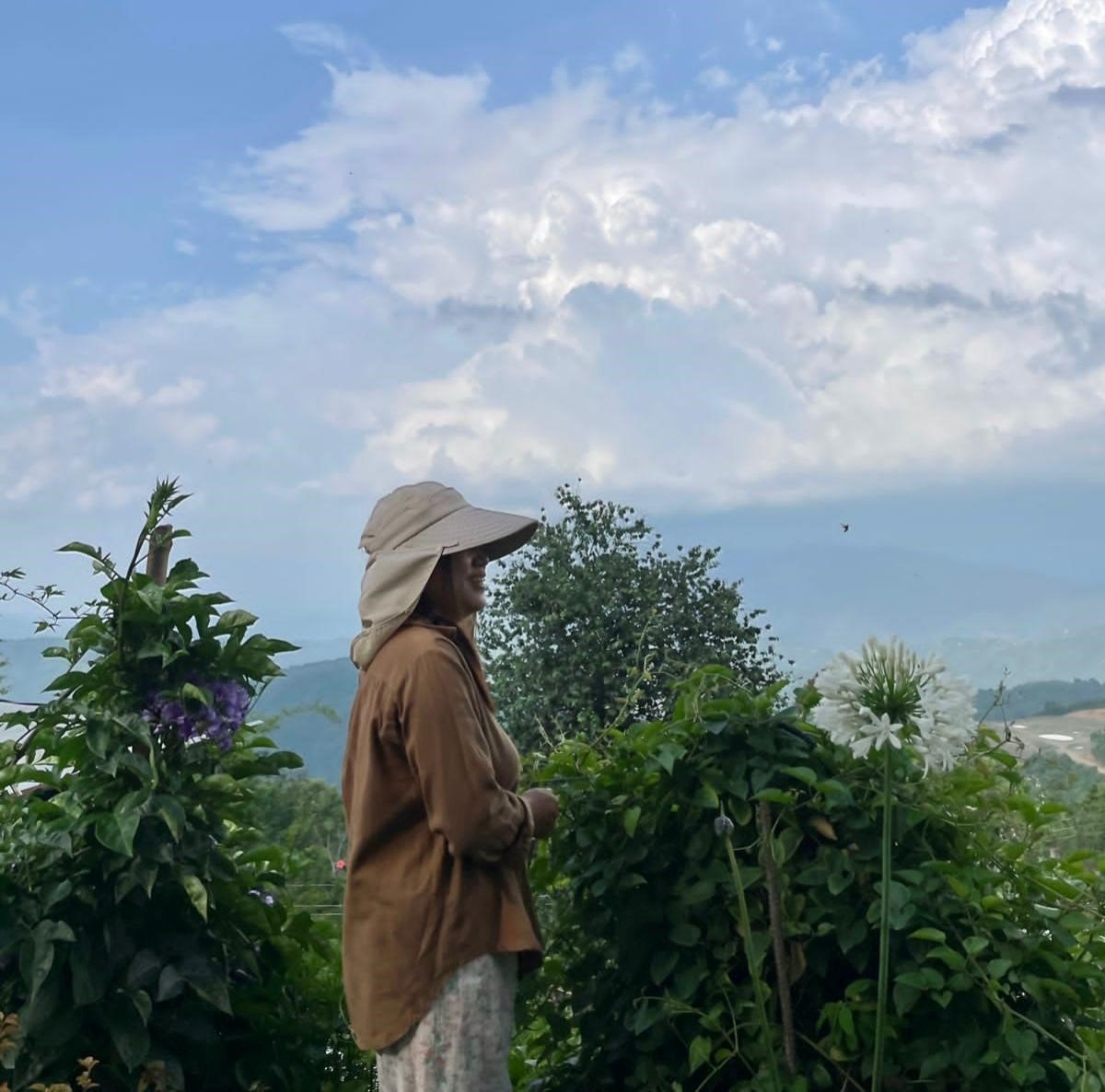
For Vike Livi, a flower grower from Mima village, gardening has been a lifelong passion that began in her childhood where she still remembers the excitement in tending to her plants as a primary school student.
“Back then, gardening was pure fun for me. I would plant something in the morning, come back excitedly after school, and pull the plant out just to check whether it had rooted yet,” says Vike.
It was during the pandemic, when she was pursuing her studies outside, that instilled a endeavour to transform gardening into a source of income, with her floriculture journey taking shape in 2023. “At the time, I was studying outside the state, so I would travel back and forth whenever possible to check on the plants. While I was away, my family looked after our small collection, making it a conscious team effort right from the very beginning,” shares Vike.
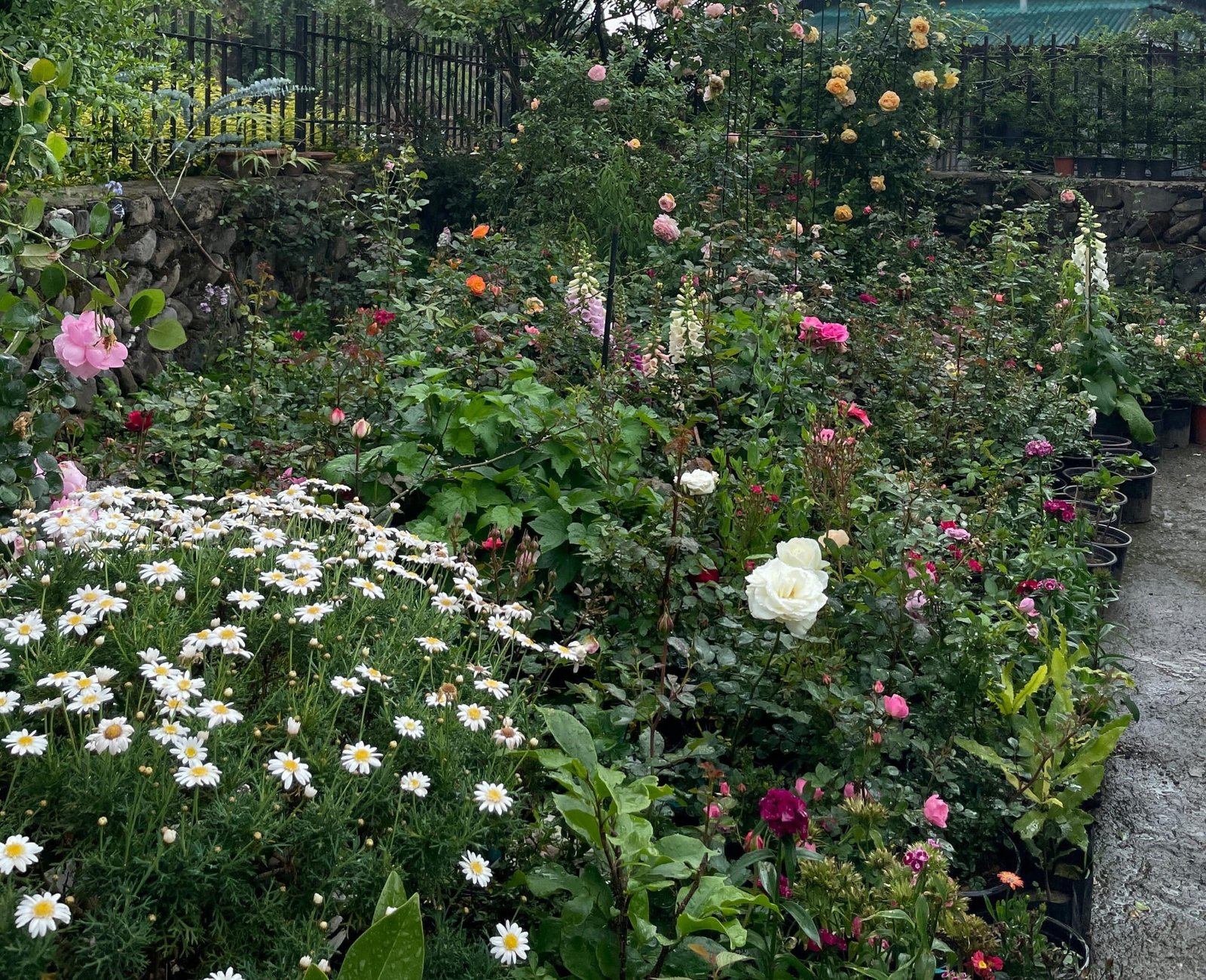
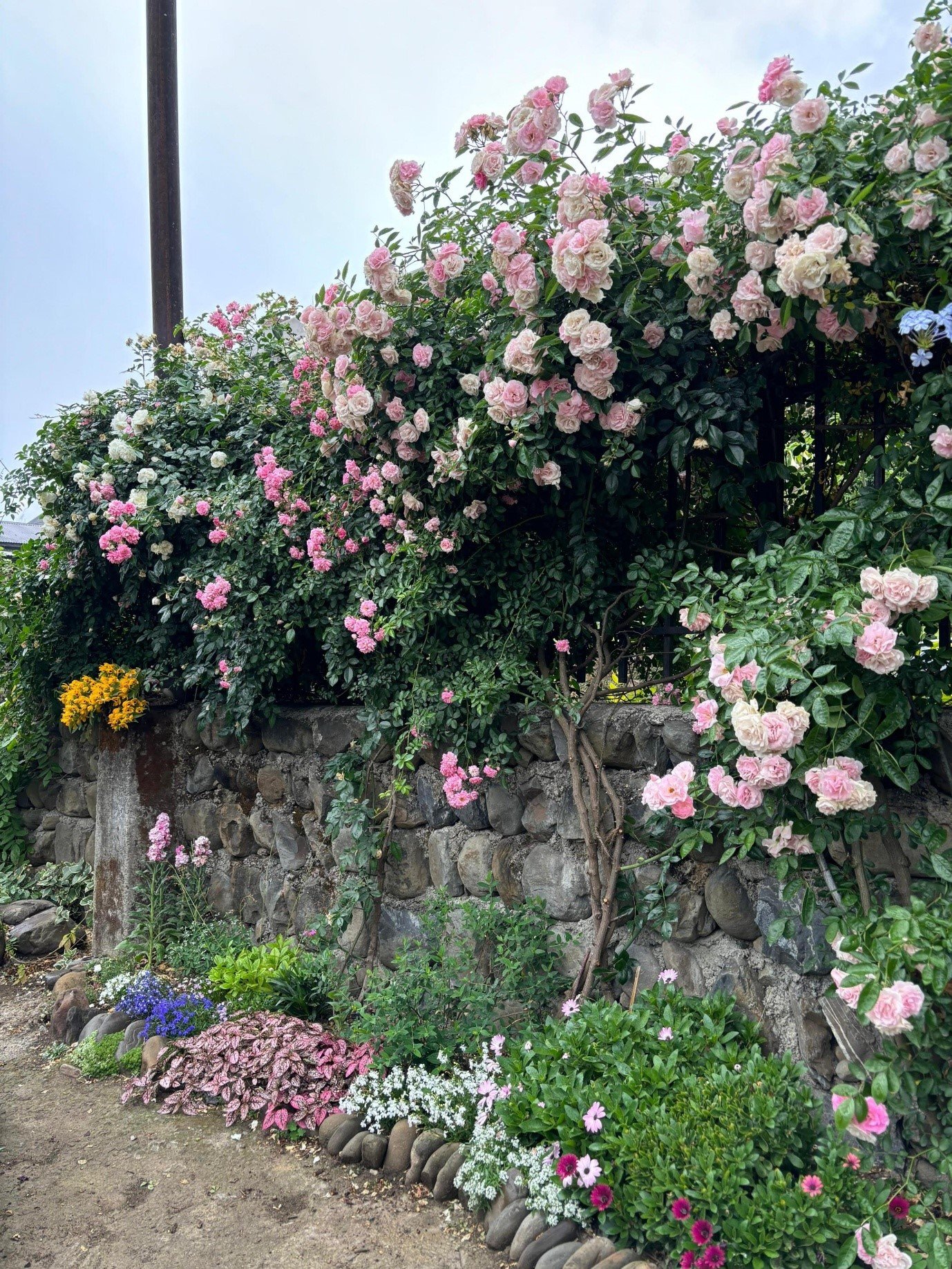
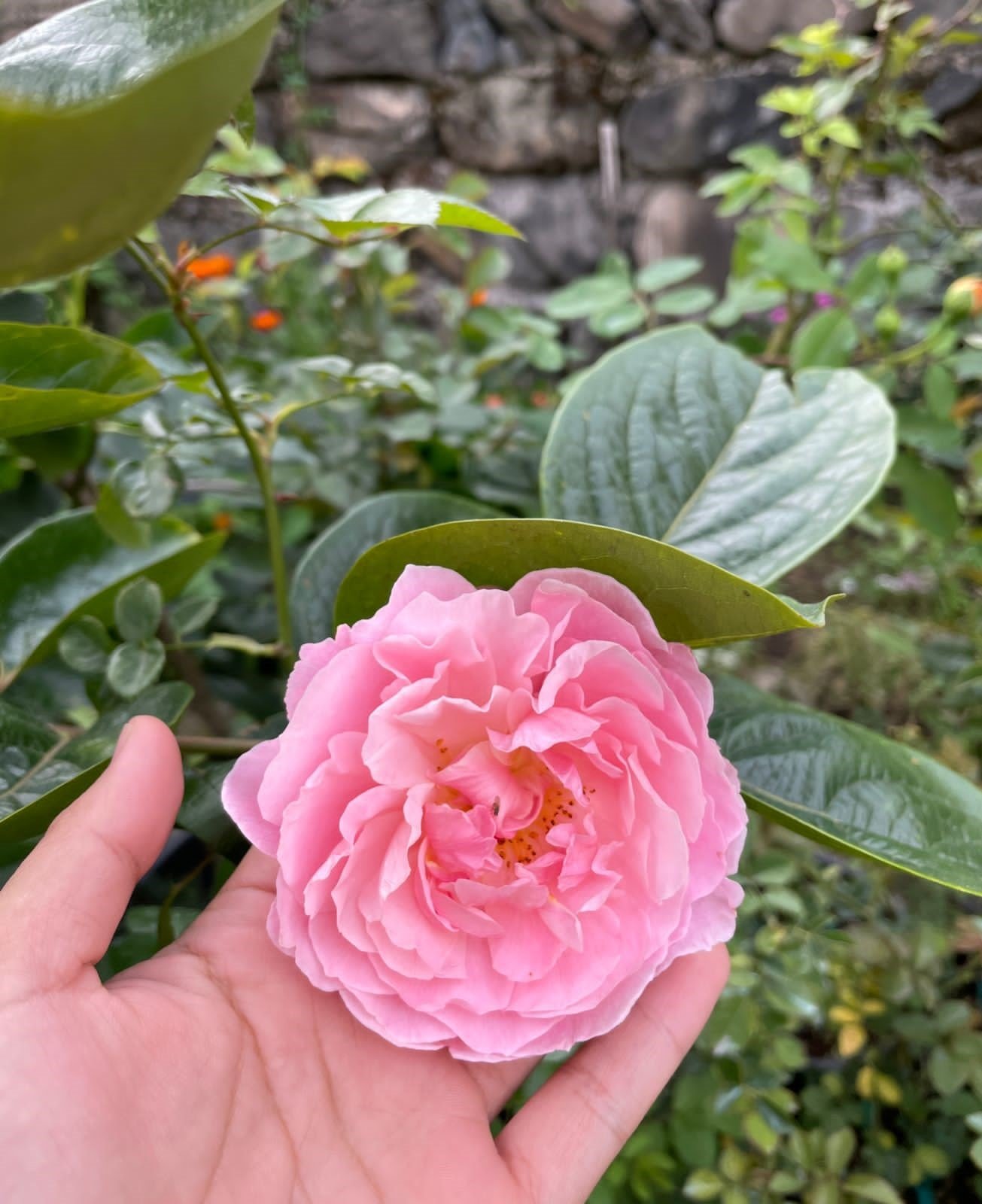
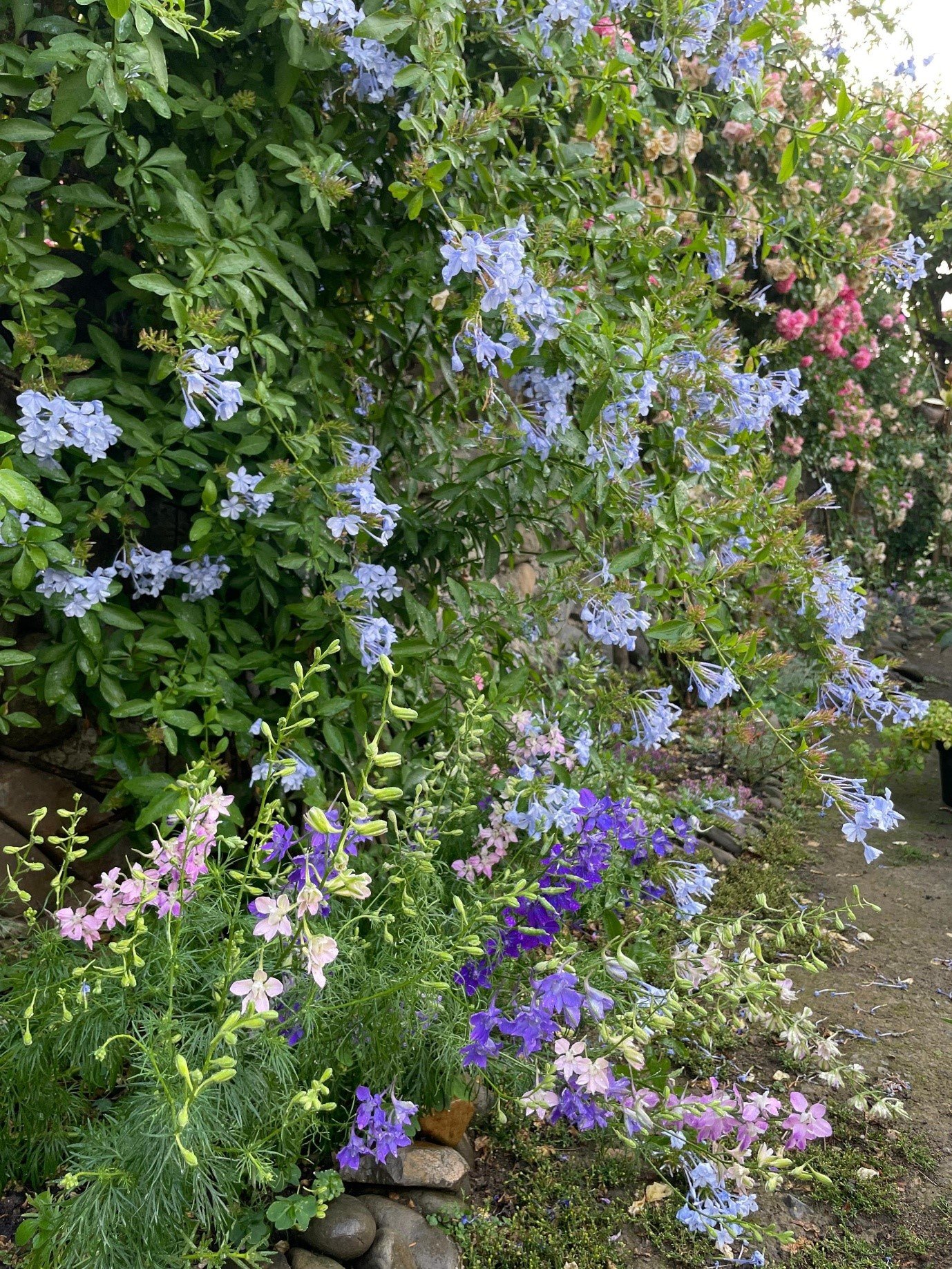
She attributes Instagram for creating a space to showcase and sell her plants through her account, Flower Haven. It helped her connect with people who shared the same interest and passion for gardening. Catering to both individual consumers and wholesalers, Vike’s flower farm at her family’s home in Mima specialises in roses, besides seasonal and perennials such as Rudbeckias, Veronica series, Hydrangeas and Japanese Anemone. While majority of her customers are usually within Nagaland, a significant amount of orders also come from states like Uttarakhand, Karanataka and Arunachal Pradesh.
Costs and challenges in running a flower farm
“Running a flower farm, like any other business, can be incredibly risky. In many ways, it feels like a gamble,” expresses Vike, “You may have regular customers committed to buying your flowers, but the real challenge is whether the flowers will meet their expectations in terms of quality, quantity, and condition.”
One uncertainty is planting flowers without guaranteed buyers with no assurance that everything that is grown will be sold.
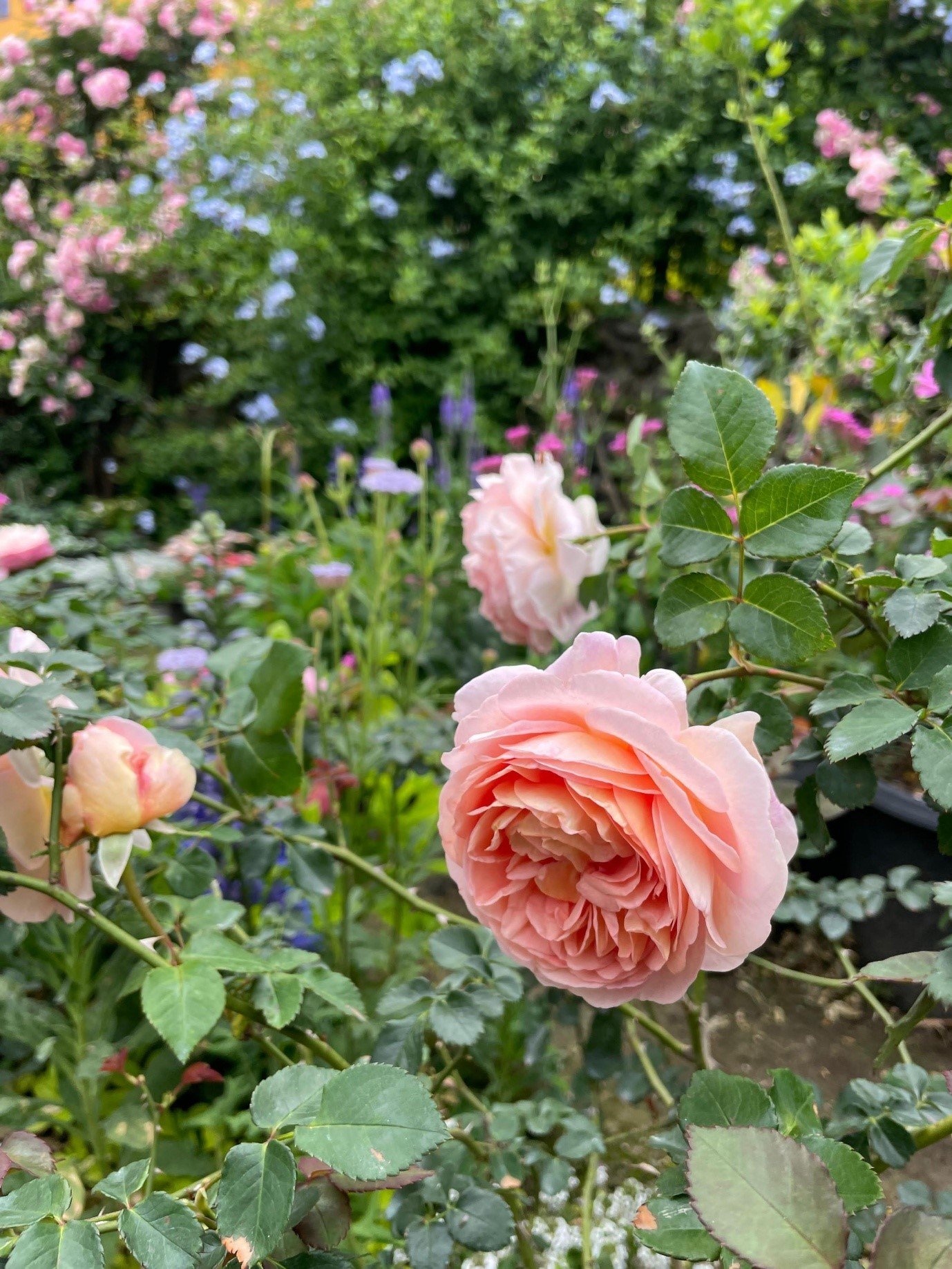
Gardening and floriculture businesses are not always as dreamy or picture-perfect as they may seem, she contends, with the sector requiring intense labour, patience, consistency, and a significant investment of time.
“Passion genuinely matters because this line of work demands dedication and the willingness to learn through failure,” she says, “Don’t jump in blindly. Start with basic knowledge, understand your climate and soil conditions, study which flowers or plants are best suited to your environment, and then carefully observe market demand before expanding.”
Download Nagaland Tribune app on Google Play


An essential aspect in floriculture, according to Vike, is honesty in one’s endeavour. A firm believer in customer’s satisfaction, she notes while having a business plan and anticipating profits is important, the client’s satisfaction should always come first. “The real priority is to grow and supply healthy plants. Once people trust your work and appreciate the quality you provide, profit follows naturally. Like any business, honesty matters greatly. Poor intentions or shortcuts may help in the initial years, but you will only stand to lose eventually,” affirms the flower grower.
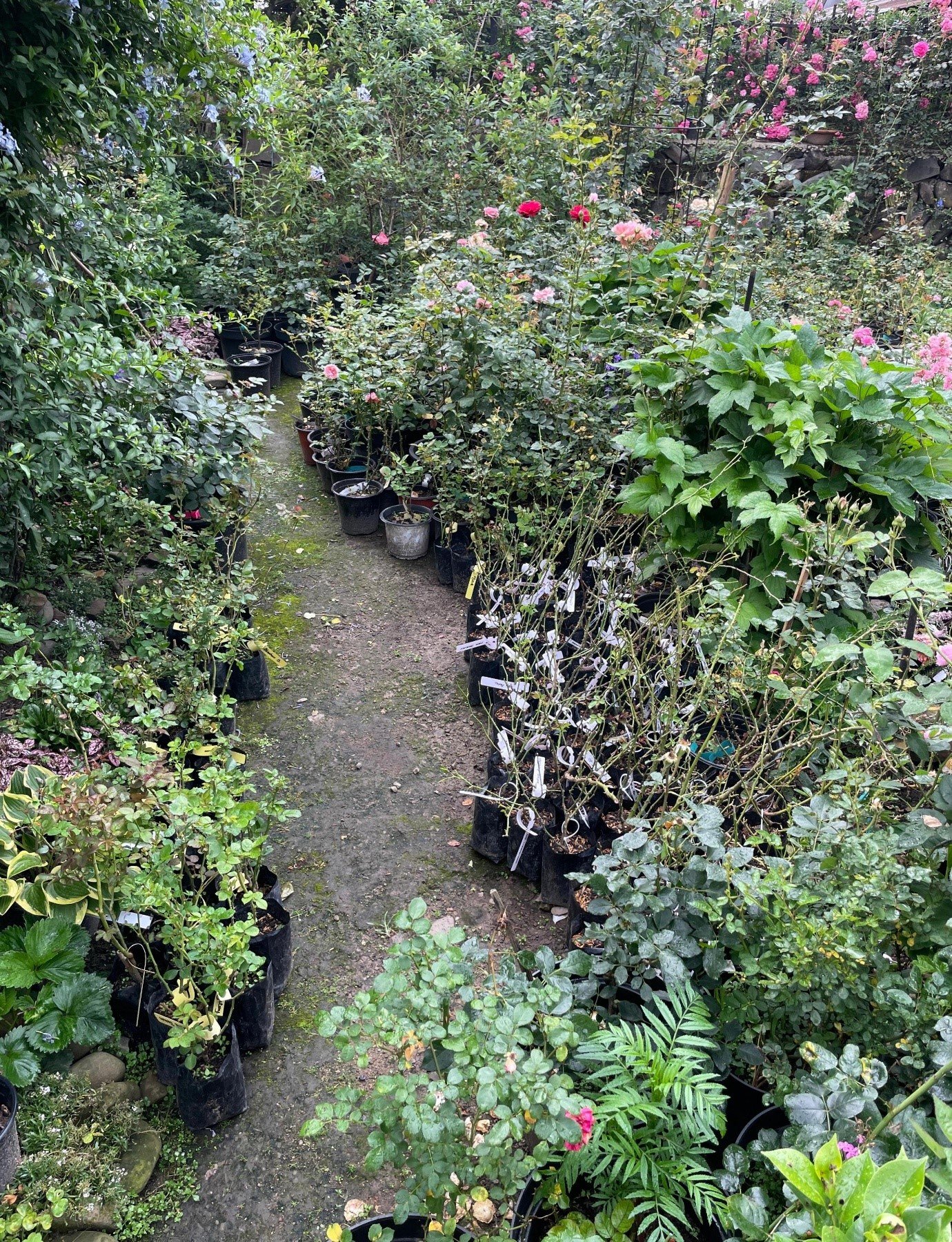
Vike views that floriculture can be a potential source of income and employment in Nagaland with investment and support. “Since I am not a full-time grower or seller, I cannot confidently say there are definite employment opportunities in the sector at the moment. However, I strongly feel that if larger flower farms and nurseries were established in Nagaland, there would certainly be ample opportunities for employment, entrepreneurship, and growth within the industry. I truly look forward to seeing that happen someday soon,” she asserts.
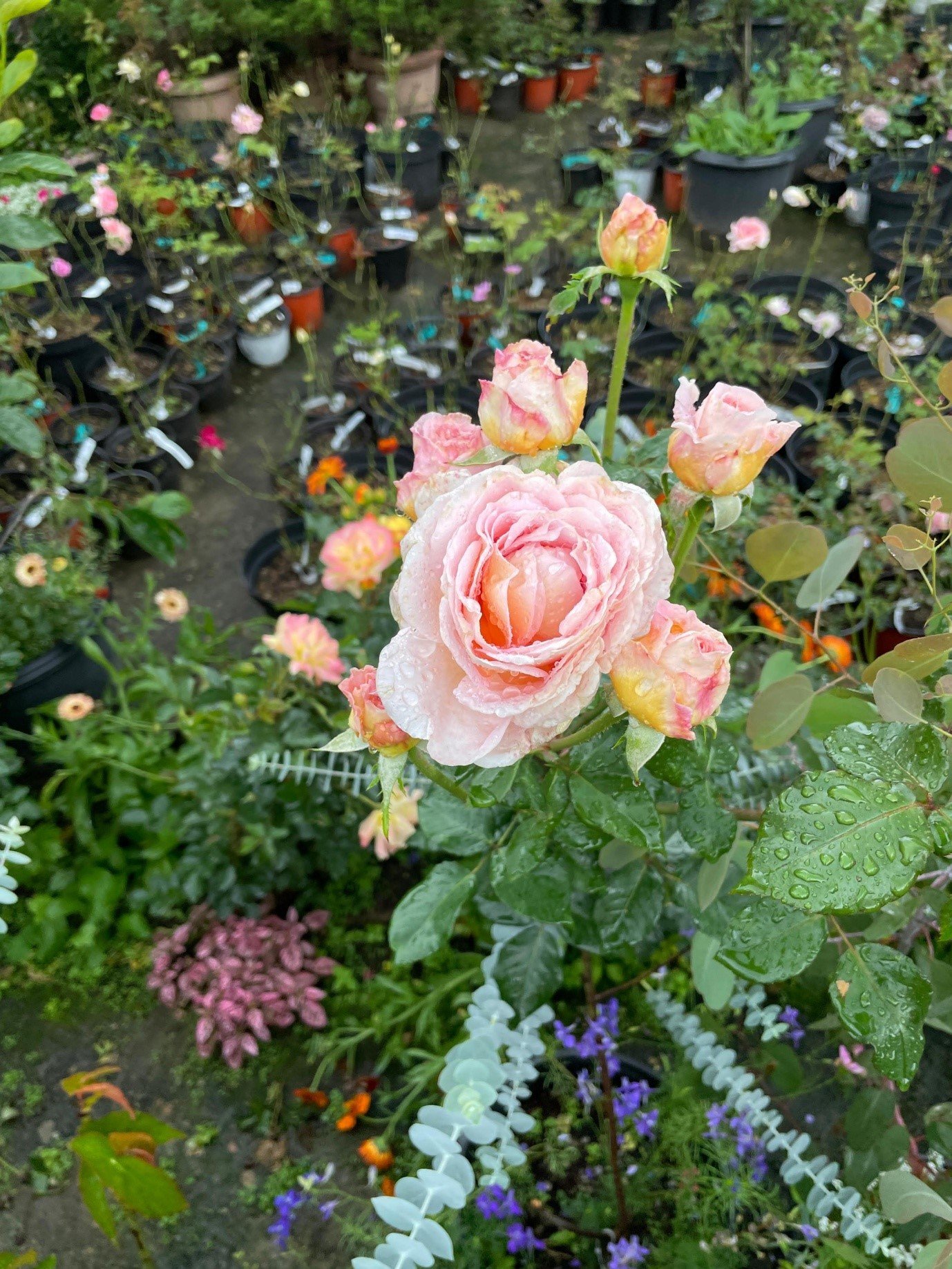
To anyone planning to start a flower business, or a small garden, Vike’s advice is to simply begin, as there’s rarely a “perfect” time to start. “Most of the learning only happens once your hands are actually in the soil,” shares the flower grower.
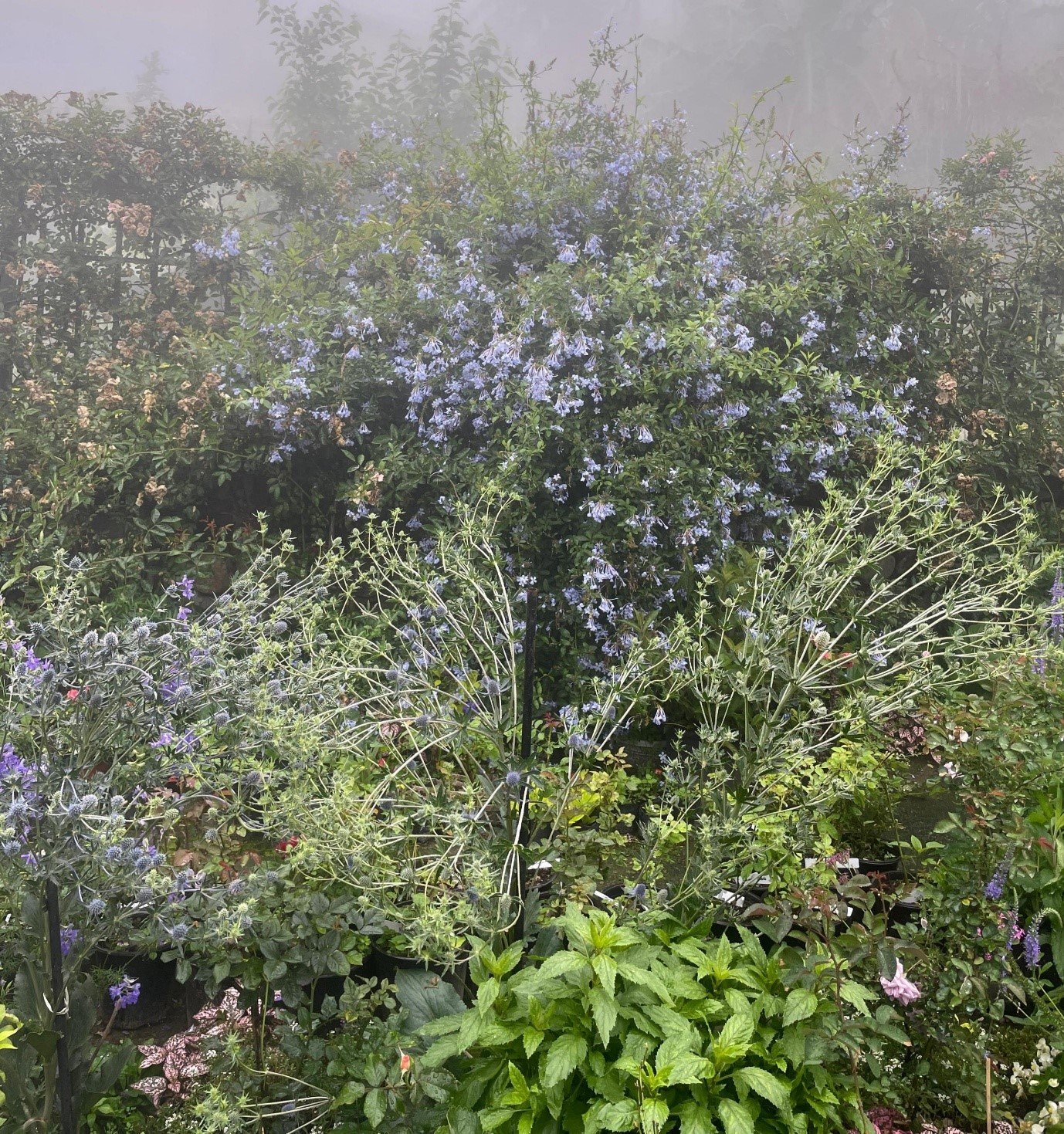
She also reminds that every garden is unique, and no amount of online research can fully replace firsthand experience. “Google can guide you to a certain extent, but your own soil, weather, and observations will teach you far more over time,” recommends Vike. Most importantly, she advises to allow oneself to learn gradually. In her words, “Gardening, whether as a business or a hobby, is a continuous process of happy learning!”.
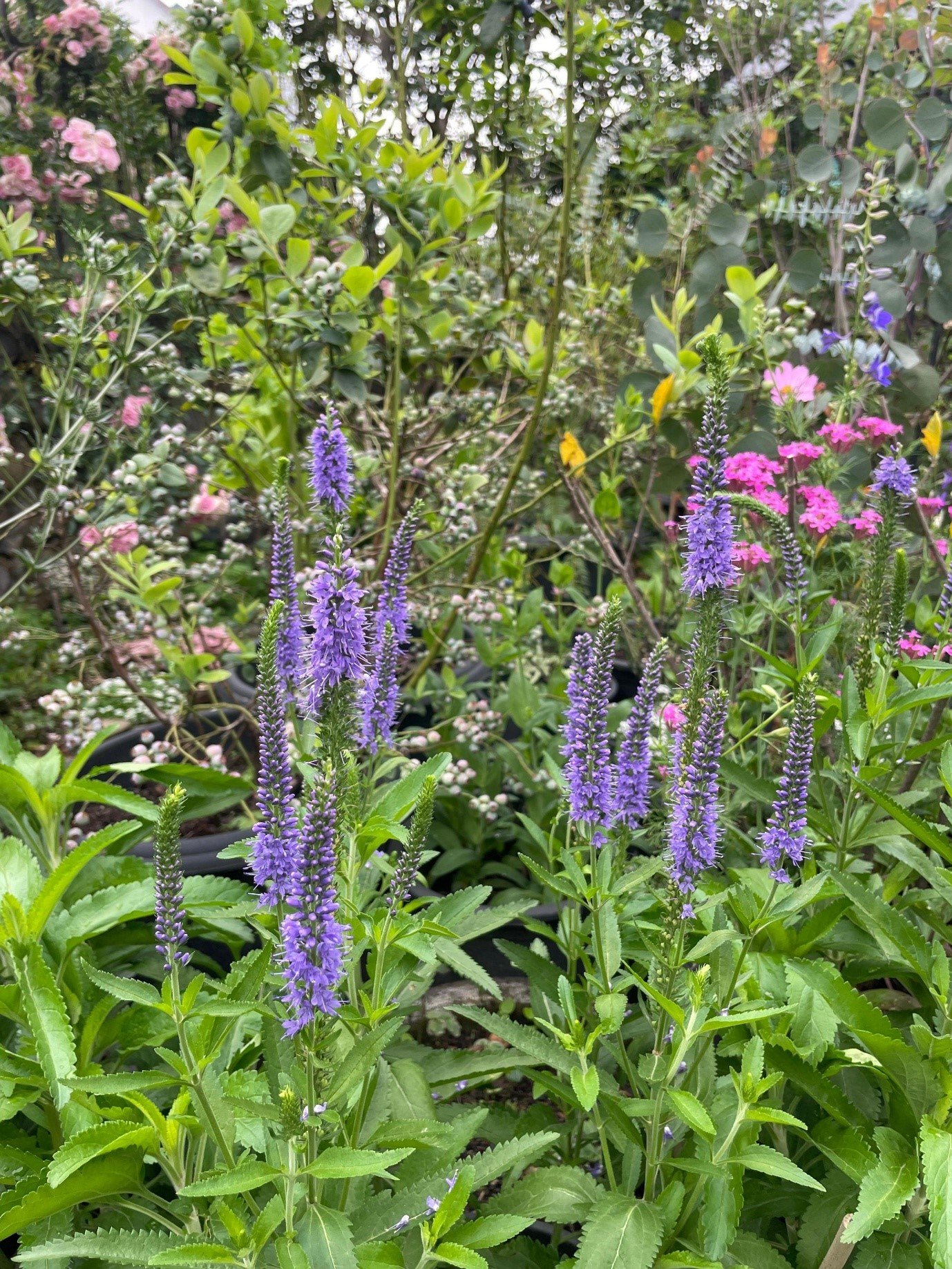
Vike’s flower farm can be followed on Instagram through @flo.werhaven